A wild sourdough baker quickly notices the jars of leftover mixture stacking up. That leftover, called starter discard, can feel wasteful. It sits there, bubbling quietly, waiting for its fate in the bustling home kitchen.
It matters because a typical active wild fermentation sourdough routine generates starter discard nearly every feeding. Simply tossing it out builds daily kitchen waste. Instead, mindful habits can turn that byproduct into opportunity.
We’ll explore practical shifts, from simple recipe tweaks to clever reuse ideas, so your starter discard never heads to the trash. Dive in and discover how to make wild sourdough truly sustainable!
Creating a Starter Discard Plan That Works Every Week
Building a system for using your wild sourdough starter discard saves time and reduces waste. Set up a small, clear routine so that you’re always a step ahead with your extra starter.
Get familiar with your discard patterns by noting how much wild sourdough starter you usually remove after each feed. Averaging that amount weekly reveals exactly how much you have to use or store.
Storing Discard for Batch Use Later On
The refrigerator becomes your discard ally. After feedings, scrape your wild sourdough starter discard into a labeled jar and refrigerate for up to one week. Stir occasionally to keep it uniform.
On day seven, use up your saved discard in a batch—perhaps pancakes, crepes, or crackers. If you want to wait longer, freeze in small, well-sealed containers for up to three months to preserve flavor.
Disciplined batching stops last-minute panic. When you batch bake, there’s no need to worry if you’ll waste your wild sourdough starter discard by letting it linger too long.
Forecasting Discard with a Tracking Chart
Create a discard chart with columns for date, amount, storage method, and recipe used. Place it on your fridge or flour bin. Every time you feed and remove wild sourdough starter discard, mark your data.
Within a month, clear trends appear: how much you discard, days you bake, and how much you repurpose. This chart offers a precise view to plan ahead, ensuring you never forget a jar of discard again.
Building this visual habit makes discard management feel like a routine part of baking, not an afterthought. The right records mean more control and confidence for every baker.
| Date | Discard Amount (g) | Storage Method | Recipe Used | Takeaway |
|---|---|---|---|---|
| June 1 | 80 | Fridge | Pancakes | Plan discard breakfast for next feeding |
| June 3 | 100 | Freezer | None Yet | Accumulate for pizza dough later |
| June 5 | 70 | Fridge | Crackers | Batch multiple recipes if discard increases |
| June 7 | 90 | Fridge | Waffles | Waffles use more discard; schedule next bake |
| June 8 | 80 | Compost | None | Use up or compost promptly to avoid spoilage |
Adapting Recipes to Use Up Wild Sourdough Starter Discard
Turn the routine task of feeding your wild sourdough starter into a chance to try new recipes. Apply a few simple modifications to standard doughs, cakes, or batters to soak up that extra starter each week.
The key lies in knowing that wild sourdough starter discard acts like a hydrated flour blend, with some acid and a tang. Adjust most recipes by substituting or supplementing flour and liquid, tweaking leavening as needed for balance.
Quick Conversion: Swapping Ingredients for Discard
If your biscuit recipe calls for a cup of flour and half a cup of milk, use half a cup of wild sourdough starter discard instead. Compensate by slightly reducing the liquid and flour called for and keep baking intuitive.
- Replace up to 50% of flour with wild sourdough starter discard, accounting for its hydration to avoid over-wet batters.
- Cut regular liquids like water or milk slightly to achieve proper dough consistency after adding discard.
- Reduce additional sour elements (like yogurt or vinegar) since wild sourdough starter discard already brings a gentle tang.
- Monitor leavening agents. If discard is unfed, use regular baking powder; if active, reduce yeast or baking powder in your recipe.
- Label which swaps worked. Add this note to your discard chart for future success.
Strategic substitution means wild sourdough starter discard enhances, not crowds out, classic recipes and prevents unnecessary waste from accumulating in your kitchen.
Creative Flavor Building with Discard in Everyday Baking
Unfed wild sourdough starter discard can boost savory and sweet recipes. Its unique flavor means each batch of muffins, cookies, or even pasta has a signature twist when you work it into the base mix.
- Add wild sourdough starter discard to brownies for a chewy, complex texture and deeper chocolate taste.
- Stir starter discard into soft pretzel doughs for layered flavor; a subtler sourness pairs well with coarse salt.
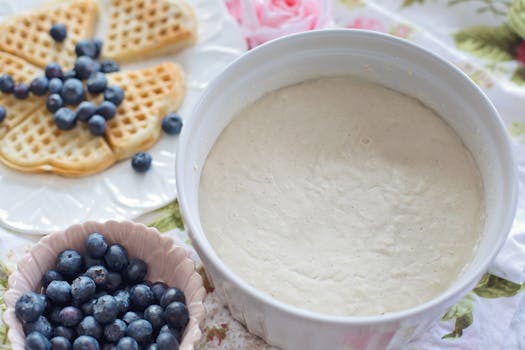
- Mix into pancakes and waffles. The acidity from the discard makes for extra-tender crumb and a slight tang without extra ingredients.
- Stretch pasta dough with leftover discard—an appealing method to cut down on flour use and introduce subtle wild notes.
- Fold into banana bread. The resulting loaf rises with rich depth and moist crumb, making leftovers disappear fast.
Experiment with bold add-ins like rosemary, cheddar, or dried fruit to highlight the tangy backbone wild sourdough starter discard provides. Each bake is an adventure in flavor.
Streamlining Kitchen Waste by Composting and Sharing Discard
After saving, baking, and experimenting, any wild sourdough starter discard you can’t use can exit sustainably—straight to the compost or a neighbor. Each option shrinks your kitchen’s landfill output.
Introduce your wild sourdough starter discard to a new audience by gifting extra to friends or community groups. Alternatively, your garden appreciates the live culture when blended appropriately into your compost bin.
Composting Discard with Smart Steps
Start by adding wild sourdough starter discard to your kitchen compost bucket, not directly to your garden, for best integration. The mild acidity quickly decomposes, boosting microbial activity if you balance it with browns like dry leaves.
A stir every week ensures even breakdown. Don’t add more than a cup or two at once—spread discard throughout existing compost layers. Proper steps avoid issues like clumping or slow decay.
After a few weeks, you’ll see the discard vanish into rich compost, ready for garden beds. Use the resulting humus to feed vegetables, echoing the cycle of fermentation in soil health.
Gifting Discard to Build Community
Sourdough fans always ask, “Need any extra starter?” Announce that you have spare wild sourdough starter discard available. Attach a recipe card or instructions for basic use.
Offer a jar at local food swaps, garden meetups, or among coworkers. A transparent conversation about discard’s benefits (like tangy pancakes) turns potential waste into shared enthusiasm.
This culture-sharing builds friendships and spreads sustainable habits. One jar of starter discard might inspire someone’s first loaf—or reduce another’s kitchen waste too. Share with clear notes on storage, care, and creative ideas for new bakers.
Turning Every Jar into a Kitchen Success Story
Eat thoughtfully, waste less, and embrace every opportunity to give your wild sourdough starter discard a second act. Building these habits means your kitchen operates sustainably and brings a unique flavor to new recipes weekly.
Each step, from tracking to creative baking, helps you see kitchen byproducts as valuable resources. Wild sourdough starter discard need never go to waste—be it in your oven, garden, or a neighbor’s home.
Let your jars become a badge of sustainable practice. Every time you use or share wild sourdough starter discard, you close the loop and start a fresh cycle of flavor and community.
Frequently Asked Questions
What is wild sourdough starter discard, and why is it created?
Wild sourdough starter discard is the portion of starter removed during feedings to maintain balance. It’s created routinely to promote healthy microbial activity and prevent excessive starter buildup in your jar.
How long can I store wild sourdough starter discard in the fridge?
Chilled discard stays usable for about one week before it gets overly sour or separates. For longer storage, freeze small portions and thaw as needed for baking or composting later.
What are the best beginner-friendly discard recipes?
Pancakes, waffles, crackers, and quick breads are perfect for wild sourdough starter discard beginners. These recipes tolerate extra moisture and tang, making them forgiving and delicious ways to use up leftovers.
Can I use starter discard to start a new culture?
Discard can seed a new culture if it’s only a few days old and healthy. Feed it with equal weights flour and water, then follow usual wild sourdough starter routines to monitor activity and bubbling.
Is there a risk of using discard that’s been in the fridge too long?
Starter discard that smells foul, shows pink or orange hues, or has visible mold should be composted, not used. Always inspect before adding to food or dough for safety and quality assurance.