Keeping sourdough in our lives is possible, even with a packed calendar. Home bakers craving great bread are finding overnight schedules and bulk fermentation make things manageable without sacrificing results.
Wild fermentation sourdough is both tradition and trend, but rigid routines can hold back those who want fresh loaves yet have little time. Effortlessly planning fermentation opens doors for flavor, nutrition, and flexibility.
This article guides you through actionable strategies for fitting bulk fermentation into your busiest days. Discover exactly how to leverage timing and wild sourdough magic without missing a beat at work, home, or beyond.
Planning Your Wild Fermentation: The 10-Minute Nightly Routine
Setting aside just ten minutes each night readies your wild sourdough journey. This routine starts bulk fermentation as you wrap up your daily tasks, preventing last-minute stress and ensuring your dough works overnight.
Carefully weighing flour, water, and starter encourages consistency each time. Many bakers whisper, “This will ferment while I sleep,” as they finish mixing. Bulk fermentation acts like an invisible helper, transforming dough as you rest.
Choosing Your Wild Starter’s Peak
Feeding your natural starter about four hours before bedtime means it’s bubbly and strong right when you mix the dough. This keeps bulk fermentation vigorous, generating flavor and structure through wild yeast.
For instance, some bakers note the starter looks like “clouds over a pond” when at its prime, ready to lift dough in the bulk fermentation step.
Look for a domed surface and a mildly tangy fragrance. This tells you it’s time to mix, and bulk fermentation will carry you through the night.
Timing Water and Salt for Overnight Gains
Adding all water and salt after autolysing the flour lets gluten gently develop. This approach helps bulk fermentation unfold evenly, even if you only check the dough before bed.
Hands-off mixing works well—dough stretches as enzymes build elasticity. A quick fold every few minutes at the start ensures salt is dissolved and water spreads throughout.
Once the dough feels silky and slightly elastic, it’s ready for bulk fermentation, turning restfulness into rising power while you sleep.
| Step | Time | Observable Clue | Action for Busy Bakers |
|---|---|---|---|
| Feed starter | 4-5 hours before mixing | Bubbly, slightly domed top | Mix before your evening meal for a ready starter at bedtime |
| Mix dough | 15 minutes | Fragrant, dough begins to pull away from sides | Set a timer while prepping dinner clean-up |
| Initial folds | 5-10 minutes | Dough strengthens, less sticky | Do between other small evening chores |
| Bulk fermentation | 8-10 hours overnight | Noticeable rise by morning, subtle bubbles at edges | Leave the dough in a cool spot overnight |
| Shape and final proof | 1-3 hours (morning) | Smooth, airy dough, increased volume | Shape before work; proof in fridge for evening bake |
Personalizing Overnight Schedules: Finding Your Fermentation Window
Pinpointing your bulk fermentation window ensures bread fits with any calendar. Whether you work late or rise before dawn, the dough’s wild fermentation easily adapts. Map out rising and resting around your morning and evening routines.
Pare down prep steps to essentials for days when errands or meetings run late. Tweak bulk fermentation temperatures and proofing schedules to give your sourdough more—or less—overnight time, based on when you’ll shape or bake.
Adapting to Temperature Changes
Colder rooms slow bulk fermentation, letting your dough rise for up to twelve hours. Move the bowl to a cooler spot—like near an air vent, or set it in a proofing box with ice bricks during heat waves.
- Move dough to the fridge late at night to pause rising until morning; this ensures you won’t overproof, even if your schedule shifts unexpectedly.
- Switch to a warm water mix on cold days; maintaining about 78°F inside the bowl keeps bulk fermentation predictable for wild sourdough flavor.
- Set a digital thermometer in your dough container to read temperatures fast; tightening your routine eliminates guesswork and prevents dense loaves.
- Use clear containers; the side view allows you to compare dough rise against a rubber band. Watch for a 50-80% increase as your bulk fermentation goal.
- Jot down times and notes after each bake, forming a personal bulk fermentation log. This lets you adjust for season and predict next week’s window effortlessly.
Personalizing temperature and timing ensures bulk fermentation suits your home, lifestyle, and wild starter’s unique character—all with a few easy adjustments.
Quick Tweaks for Weeknight Schedules
Push the dough start closer to bedtime when an evening runs long, or finish your first folds early to steal back a few moments. Use room temperature water to match your starter’s happy range each time.
- Stagger folding sessions with quick chores; fold the dough, then brush your teeth, then fold again. This spaces effort evenly and keeps sourdough on the move.
- Cover dough with a lid or reusable wrap to keep wild fermentation steady. Avoid drying crusts by skipping open-top bowls during long nights.
- Label and store dough containers the night before if baking multiple loaves; sharpie the time and formula for easy tracking.
- Plan a bake-ahead cycle: bulk ferment two days, bake one loaf each morning. Keeps bread coming without clashing with work or childcare windows.
- Keep a quick yeast conversion chart on hand; swap in a touch more starter to speed wild fermentation if mornings are shorter than usual.
Streamlining weekly routines ensures bulk fermentation never interrupts life’s demands. Each tip keeps wild sourdough flexible and fuss-free, perfect for balancing work and family.
Mix, Fold, and Forget: Why Bulk Fermentation Does the Heavy Lifting
When you let bulk fermentation work overnight, dough transforms with almost no hands-on time. It’s like setting coffee to brew while you get ready—the work is happening while you focus elsewhere.
Bakers using wild fermentation sourdough see benefits in crumb, crust, and flavor depth. Overnight bulk fermentation creates nuanced tangs, richer aromas, and a delightfully chewy texture, all from time spent resting instead of kneading.
Autolyse and Rest: Building Resilient Dough
Mixing flour with water before adding starter activates natural enzymes. This early autolyse stage builds gluten slowly, making the dough strong by the first folds. Over several hours, wild fermentation enzymes do their best work.
Visual cues help: when the dough stretches without tearing, bulk fermentation is steady. Analogous to marinating meat, this resting gives wild flavors space to bloom—a little patience transforms blandness into complexity, hands-free.
For example, after a 40-minute autolyse and a few swift folds, bakers report silkier dough that bakes into open, glossy crumb—proof of bulk fermentation’s magic.
Shaping in the Morning: Zero-Rush Routine
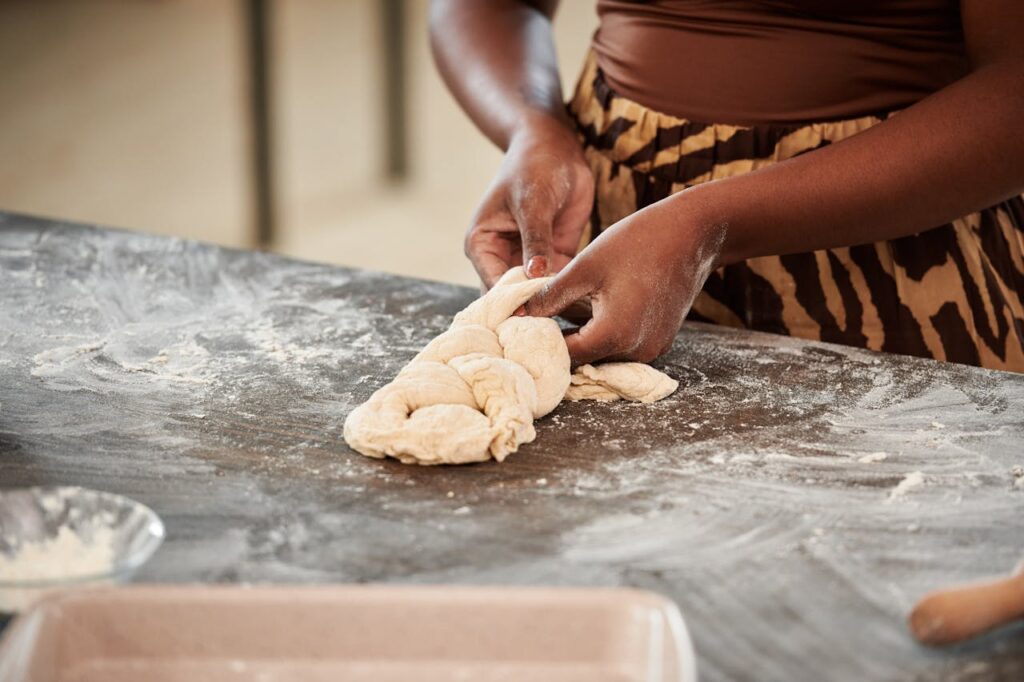
Starting the day by gently tipping your rested dough onto the counter sets a calm tone. Within minutes, you can shape without sticky mess, as bulk fermentation has done its job overnight.
If you wake up late, just pop the dough in the fridge for a slower final proof. Adapt the timetable to match kids’ breakfast or your first video call—no more morning chaos, thanks to wild fermentation’s reliability.
Some home bakers jot, “Dough was ready before my coffee finished. Best crust so far.” That’s bulk fermentation giving you back your morning calm and confidence.
Reaping the Rewards of Smarter Bulk Fermentation Planning
Balancing a vibrant sourdough life with daily demands is not only possible but rewarding. Overnight bulk fermentation with wild starters combines tradition, taste, and convenience, giving bakers fresh bread with minimal stress.
Personalizing wild fermentation fit schedules lets you enjoy improved crumb, lively crusts, and unforgettable flavor. Small habit changes—timing, temperature tweaks, brief prep—yield consistent success at any experience level.
As you gain confidence, you’ll see how integrating bulk fermentation into routine elevates both bread and enjoyment. Savor the resilience and adaptability wild fermentation brings to your kitchen, one overnight rise at a time.
Frequently Asked Questions
How long can sourdough undergo bulk fermentation overnight?
Most wild fermentation doughs tolerate 8–10 hours at cool room temperature. In summer or warmer kitchens, placing the dough in the fridge after 5–6 hours prevents over-fermentation and preserves structure. Adjust timing for your home’s conditions.
What if my dough bulk ferments too long and becomes slack?
When dough turns slack or soupy, it’s a sign bulk fermentation went too far. Refrigerate to firm it up, then shape gently. Shorten the next fermentation or lower the starting water temperature for better control.
Is overnight bulk fermentation safe for wild sourdough?
Bulk fermentation is safe if you use healthy starter and clean utensils. Watch for sour, off smells or pink discoloration, which indicate spoilage. Wild fermentation builds good acidity, preventing spoilage under typical kitchen conditions.
What temperature works best for overnight bulk fermentation?
Cool room temperatures around 65–70°F are ideal for overnight bulk fermentation. If kitchens are hotter, start with colder water or refrigerate midway. Cooler temperatures preserve dough integrity and amplify wild sourdough flavors.
Can I freeze dough after overnight fermentation?
After overnight bulk fermentation, shape your dough, then freeze on a parchment-lined tray until firm. Store in a bag and thaw overnight in the fridge before final proof and baking. This adds convenience without sacrificing wild fermentation flavor or crumb.