There’s a certain magic that happens when traditional wild fermentation meets sweet and tender dough. Sourdough isn’t just for tangy country loaves or rustic crusts anymore. People who love home baking have found ways to incorporate enriched sourdough into decadent, bakery-style pastries with stunning results.
Rich in butter, eggs, and milk, these enriched sourdough creations—like brioche and cinnamon rolls—invite you to enjoy both deep flavor and satisfying texture. They bridge tradition with indulgence, making the complex world of wild fermentation accessible for special treats.
Stick around for a clear guide that covers each stage, shows tangible differences using a handy table, reveals reliable process tips, and offers practical scenarios for success. By the end, you’ll have a solid foundation for wild fermented enriched sourdough pastry at home.
Baking Soft & Luxurious with Wild Fermentation Sourdough
Soft crumb and gentle sweetness set enriched sourdough apart from classic rustic loaves. This section gives you the rules and steps needed for a plush result every time, even with wild fermentation’s quirks.
Unlike plain flour-and-water doughs, enriched sourdough uses more than sourdough starter, salt, and water. Additions like eggs, whole milk, and sweeteners change the chemistry. This demands careful timing and attention to dough temperature during bulk fermentation.
Choose Ingredients That Don’t Compete with Fermentation
Heavy fats and sugars can slow wild fermentation’s pace. For consistent rises, use well-fed starters, real unsalted butter, fresh milk, and room-temperature eggs. Avoid artificial additives or old dairy products—they risk uneven proof or off flavors.
One baker’s script: “I crack eggs into a small bowl first, then weigh cold butter. If my starter bubbles vigorously within six hours, I know it’s strong enough for enriched sourdough.”
Let each ingredient warm up for at least thirty minutes before incorporating. Direct from the fridge, butter can streak dough or prevent proper gluten development, while cold eggs can further slow fermentation speed.
Workaround for Slower Dough Growth
Wild fermentation responds differently to fat and sugar than to simple hydrations. When using eggs or butter, extend bulk fermentation by an hour compared to lean sourdoughs—look for a one-and-a-half rise, not double.
For evening bakers: after initial mixing and short bulk, chill dough overnight. The cool period allows wild yeast to multiply slowly without risk of over-proofing, making morning shaping easy and flavors complex.
Use this checklist: mix, proof to 1.5 times size, chill overnight, shape cold, final proof at room temperature, then bake. Repeat this for both brioche and cinnamon rolls for best results with wild fermented enriched sourdough.
| Ingredient | Impact on Dough | Best Use Tip | What To Do Next |
|---|---|---|---|
| Butter | Makes crumb tender but can slow fermentation | Soften fully before mixing | Let come to room temperature before use |
| Eggs | Strengthen structure, enrich flavor | Add after initial mix for gradual hydration | Crack and warm up before mixing in |
| Sugar | Feeds yeast but delays rise in high amounts | Incorporate small amounts early | Monitor dough temperature carefully |
| Whole Milk | Creates moist, rich crumb | Warm slightly for better absorption | Use just above room temperature |
| Sourdough Starter | Provides fermentation and flavor complexity | Use peak activity starter | Refresh starter 4–6 hours before baking |
Shaping and Flavors That Stand Out in Enriched Wild Dough
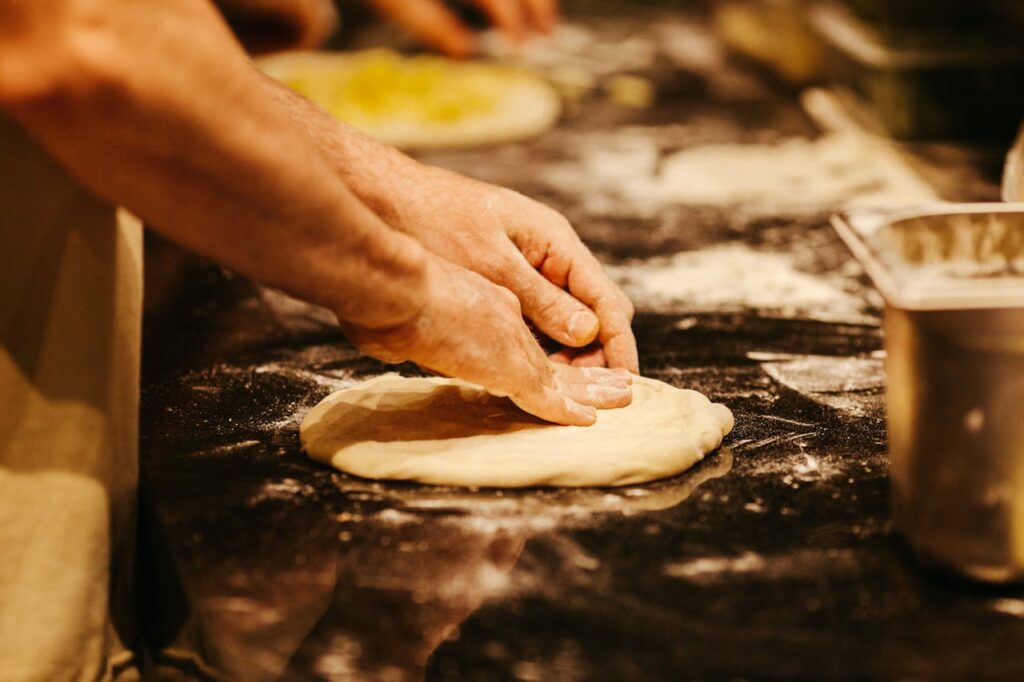
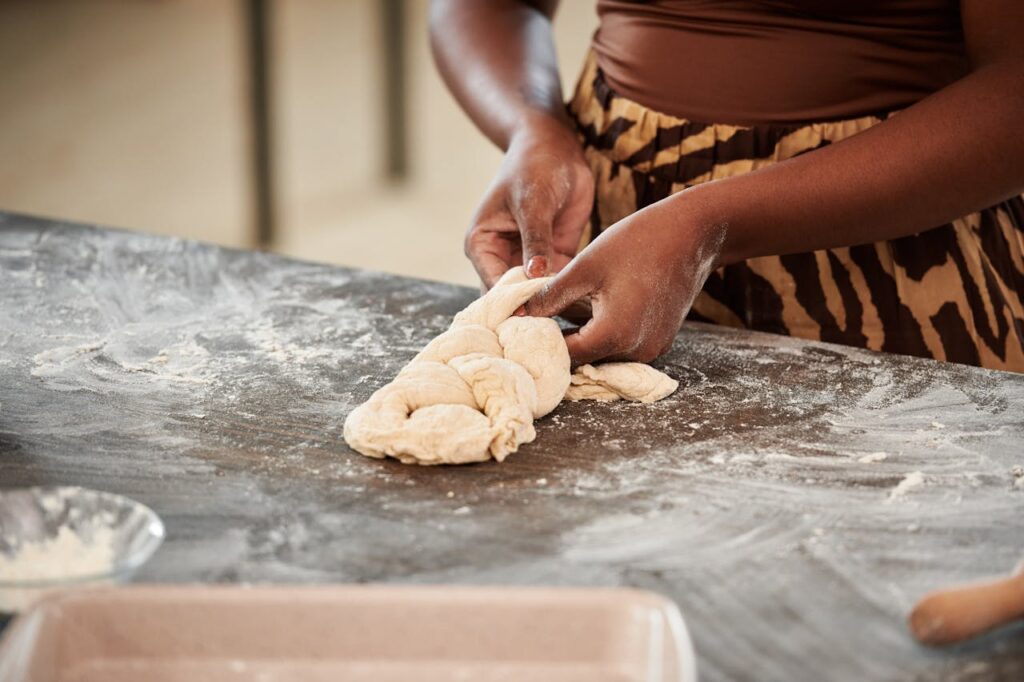
Shaping wild fermented enriched sourdoughs can be tactile and forgiving. Learn hands-on techniques for both tight, airy brioche and beautifully coiled cinnamon rolls that deliver professional visual appeal and texture.
Classic enriched sourdoughs are slightly stickier than lean doughs, so dusting hands and surfaces with flour will smooth each step. Shaping right after a night in the fridge retains airiness and clean edges.
Stick With Familiar Folds for Reliable Texture
Repeat familiar stretch-and-fold moves from classic sourdoughs during bulk phase, working gently to avoid degassing. After cold rest, divide and pre-shape quickly with minimal bench flour to keep strands tight and crumb even.
- Knead gently, limit force to avoid flattening air pockets.
- Flour hands, not dough, to reduce dryness.
- Pinch ends of split dough pieces—helps lock in tension.
- For rolls, roll tightly but avoid squeezing.
- For loaves, seam side down on the pan ensures symmetry.
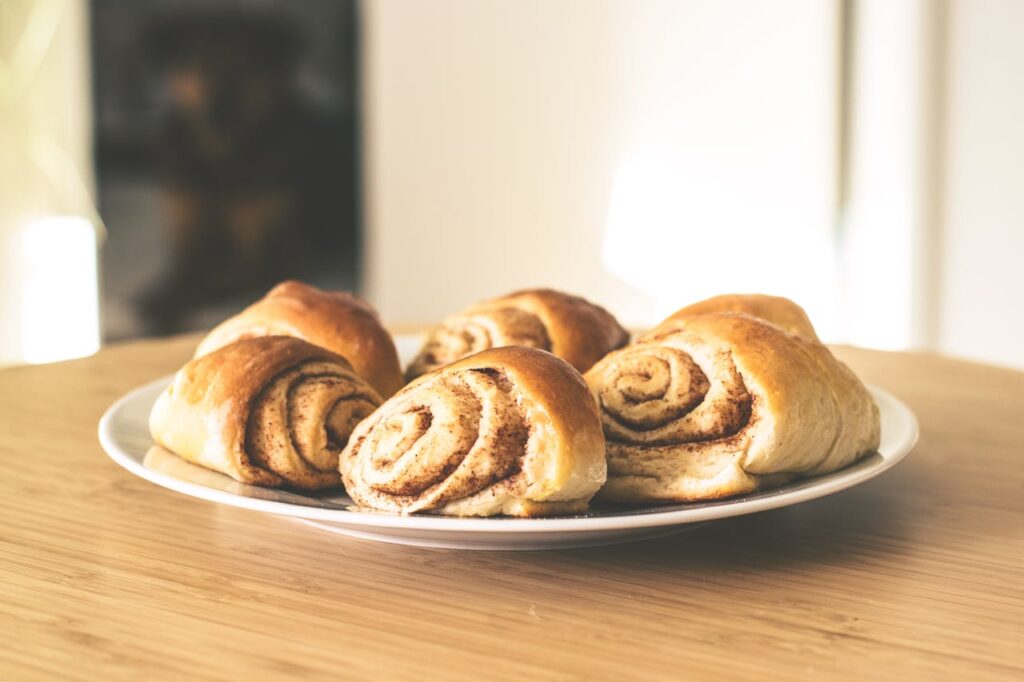
Follow this process for each enriched sourdough batch for consistent results. Rolling dough for cinnamon rolls keeps spiral layers intact during rise and bake, avoiding collapsed edges in the final pastry.
Locking In Flavors Without Overpowering Wild Fermentation
Add-ins for enriched sourdough should support, not mask, fermentation flavors. Use real vanilla extract, citrus zest, or ground cinnamon in small doses, mixing into dough or filling just before shaping to avoid sour notes dominating.
Mix-ins that work: orange zest for brightness, dark chocolate chips stirred into dough, soft candied fruit for classic brioche, or a brown sugar-cinnamon paste for spirals. Brush with melted butter for a fragrant, glossy finish.
- Add orange zest for brightness; combine with sugar for a zingy swirl.
- Mix chocolate into dough for a decadent twist.
- Spread softened butter-cinnamon sugar for iconic rolls.
- Sprinkle finely chopped nuts for crunch and depth.
- Drizzle a simple icing of powdered sugar and milk after baking.
Try one new add-in each time you make enriched sourdough. Mark results and favorite combinations for future batches to build a personal repertoire.
Brioche Loaf and Cinnamon Roll Techniques For Home Bakers
Home bakers succeed with enriched sourdough by sticking to clear process rules, experimenting with filling flavors, and adjusting timings. Start each bake by weighing all ingredients and preparing starter about four hours prior.
For brioche: shape cooled, enriched wild dough into a log, drop it gently into a buttered pan, and let it final-proof until about one inch above rim height. For cinnamon rolls, stretch the dough to a rectangle, spread filling, and roll up snugly before slicing.
Batch Timing: Plan and Adapt for Your Schedule
Baking enriched sourdough home-style means adapting schedules. Begin kneading in the evening for overnight proof, shape cold dough in the morning, then allow enough time for a relaxed rise—usually two to three hours at room temperature.
Waiting on wild fermentation can build anticipation, but patience spins into aroma and crumb quality. Plan add-ins and final baking times accordingly. In a real scenario, a home baker says, “I slip dough in the fridge before bedtime so I can bake fresh for brunch.”
If the schedule slips, simply chill dough to slow fermentation. Never force a warm, rushed bake. Dough will let you know when it’s ready with a delicate bounce-back touch and visible height increase.
Troubleshooting Common Issues While Baking
Sticky dough signals too much milk or slightly underfed starter; add a tablespoon of flour and fold gently. Dense loaves show fermentation ran too cool or too short. Increase proof time on next try or nudge it by moving to a slightly warmer spot.
A cracked crust on brioche means dough was shaped when too warm or final-proofed too quickly, while bland filling flavors might be from under-measured spices or sugar. Script for the next bake: “Next time, I’ll measure cinnamon and sugar level, and proof in the oven with just the light on.”
A faint tang and moist crumb mean wild fermentation enriched sourdough worked. If flavors ever fall flat, re-evaluate starter health and sugar/fat proportions for future batches.
Finishing Touches: From Glazes to Fresh-Baked Slices
Bringing enriched sourdough to the table isn’t just about the bake—it’s about presentation, toppings, and serving techniques that elevate each slice. Glazing and slicing cold are details that separate home bakes from bakery-level results.
Spoon simple vanilla icing or honey glaze over slightly warm cinnamon rolls to seal in moisture. Let brioche cool completely before slicing for the most even texture. Serve with whipped butter or a hint of marmalade for extra flair.
- Let finished loaves or rolls cool on a rack, not in the pan.
- Top cinnamon rolls while slightly warm for glaze absorption.
- Slice enriched sourdough bread or rolls with a serrated knife to prevent squishing.
- Store leftovers in an airtight container—delicate wild-fermented crumb dries fast.
- Freeze portions for up to two weeks; reheat gently before serving.
Try different glazes, such as a dash of almond extract in icing, or a sprinkle of finishing sugar before baking. Presentation can be as rewarding as the bake itself; share photos with friends to spark more wild fermentation sourdough conversations.
Sourdough Starter Health Is Your Secret Weapon
Healthy wild sourdough starter directly impacts enriched dough’s structure and flavor. Feed starter regularly and use at its peak—look for a domed, fluffy surface and strong aroma before mixing into enriched sourdoughs for brioche or rolls.
If your starter looks sluggish, discard most of it, refresh with equal parts flour and water, and let it double before baking. Consistency wins: using the same flour each feed keeps wild fermentation balanced for all enriched sourdough approaches.
Boosting Fermentation with Alternate Flours
Whole wheat or rye flours in your starter give wild fermentation a nutrient boost. Try a small rye feed before baking enriched doughs—this can make the starter more vigorous and aromatic, especially helpful for heavy, enriched sourdough recipes.
Every month or so, refresh with organic stone-milled flour for a flavor reset and microbial diversity boost. Distinct aromas translate right into each enriched dough batch, carrying unique sour notes through to cinnamon rolls or brioche slices.
When transitioning between flour types, track rise times and change one variable at a time to keep fermentation patterns steady.
Checking Starter Strength Before You Mix
Float tests quickly gauge if your wild starter’s ready. Put a teaspoon in a glass of water; it should float with visible bubbles. If it sinks, wait longer or give another feed before using in enriched sourdough.
Another visual check: look for long strands or webbing when pulling starter apart with a fork. If structure looks dense or sticky, give another four hours before adding to dough.
If you want truly vibrant, tangy enriched wild dough, always pause and check starter vitality before investing in rich ingredients like organic butter or free-range eggs.
Wild Fermentation’s Personal Touch: Real Scenarios and Home Solutions
Adapting enriched sourdough recipes to your life makes the process less stressful and more rewarding. Here, scenarios and scripts spell out solutions for common baking routines and flavor choices.
For busy parents, prepping dough at night and shaping/finishing after school drop-off fits fresh-glazed rolls into any schedule. Mark down: wild-fermented enriched sourdough is at its best when you set the timing around your day, not vice versa.
Scenario: Last-Minute Brunch, Still Wild-Fermented
If early guests pop by, grab enriched dough from the fridge, shape cold, proof near the preheating oven, and bake as guests arrive. No need for countertop marathon rises—wild fermentation continues quietly in the refrigerator overnight.
This approach creates bakery-style cinnamon rolls with deep flavor and springy crumb, served steaming within hours. “I always refrigerate my dough right after mixing if I’m unsure about the next day’s plans,” one home baker confides—an easy routine anyone can copy.
Write a quick checklist: plan bulk at night, shape early, final rise as needed, bake just before serving. Reliable, flexible, and still purely wild-fermented.
Scenario: Custom Flavors for Family Traditions
Every family puts its own twist on enriched sourdough. Some swirl raspberry jam inside, others a hint of cardamom or vanilla. Track favorites in a small kitchen notebook—and encourage kids to mix flavors each holiday or birthday for lasting tradition.
One baker says, “We always add orange zest to our holiday cinnamon rolls, layering tangy fruit over warm spice.” Let every new batch honor a family story for added meaning alongside classic wild fermentation technique.
Keep notes on which filling combinations most satisfied your eaters, improving your wild enrichment batch over each season. Flexibility is the heart of homemade wild fermentation sourdough.
Everyday Enriched Sourdough Success for the Home Baker
Wild fermentation brings a unique flavor spectrum to enriched doughs like brioche and cinnamon rolls. Keep your sourdough starter healthy, use precise measures, and plan your timeline for confident, aromatic bakes every time.
Invite experimentation with fillings, glazes, and proofs. Wild enriched sourdoughs respond gracefully to routine, careful monitoring, and creative twists—turning your kitchen into a personal bakery with each bake.
Practice and consistent notes on temperature, flavor, and handling will steadily build skill. Every loaf or roll brings new discoveries and deepening enjoyment of traditional fermentation with a modern, sweet, and indulgent flair.
Frequently Asked Questions
What is the main difference between enriched sourdough and classic lean sourdough?
Enriched sourdough contains fats like butter or oil, eggs, milk, and sweeteners in addition to wild yeast starter, flour, and salt. This results in a softer, richer crumb and milder tang. Classic sourdoughs use only flour, water, starter, and salt.
Can I use the same wild starter for enriched sourdough as for artisan bread?
Yes, as long as the starter is vigorous and recently fed. Consider a double-feed if it’s been refrigerated, as enriched doughs need robust yeast activity to rise through fats and sugars.
Why does enriched sourdough take longer to ferment?
Butter, eggs, and sugar slow down wild fermentation, so enriched sourdough requires extra proof time—usually 1–2 hours longer than lean sourdough. Monitoring dough size and texture is more reliable than using a strict clock.
What helps cinnamon roll spirals stay tall and defined after baking?
Roll dough with gentle, even pressure and avoid stretching too thin. Let final proof complete fully; under-proofed dough uncoils and over-proofed dough collapses. Baking from chilled dough also helps preserve clean layers.
Is it safe to refrigerate enriched sourdough overnight?
Absolutely. Refrigeration slows fermentation, develops flavor, and allows flexible timing. Just cover dough well, and when ready to bake, allow to acclimate 15–20 minutes at room temp before shaping or final proof for best oven spring.