The first bite of wild fermentation sourdough with sprouted flours delivers a depth that standard flours can’t match. Flavors unfold, complex and satisfying, making your kitchen smell like a rustic bakery. That sensation lingers — earthy, malty, and sweet — beckoning you for more.
Sprouted flours aren’t just for artisan bakers. Home bakers use them for bolder flavors and nutritious loaves fueled by wild yeast. These grains, allowed to sprout before milling, unlock unique characteristics. The rise, texture, and taste of your bread transform with the addition of these nutrient-rich flours.
This article guides you through practical rules, approaches, and scenarios for baking with sprouted flours in wild fermentation sourdough. Let’s explore tested methods, real-life examples, and takeaways for getting the most natural flavor boost in your next loaf.
Building Better Sourdough With Sprouted Flours for Distinct Taste and Texture
Sprouted flours change how a dough feels and tastes during wild fermentation. For natural flavor, add sprouted flour to your starter and bulk mix. Texture shifts from dense to airy, crusts deepen in color, and the flavor sharpens sweetly. Using 20–40% sprouted flour in your mix creates a stand-out profile.
Professional and home bakers spot richer aromas in the proofing basket and more active bubbling during bulk fermentation. Sprouted flour provides enzymes that unlock hidden sugars, feeding your wild yeast for a consistent rise. Mix gently and use a slightly cooler bulk ferment to maintain control and harness those flavors.
Adjusting Hydration for Sprouted Flour Dough
When switching to sprouted flours in a wild fermentation sourdough recipe, increase hydration by about 3–5%. For example, if a classic country recipe calls for 70% hydration, try 73–75% to keep the crumb open. Sprouted flours absorb water differently due to enzymatic activity from sprouting.
Observing the dough’s surface is your best guide: it should feel plump and supple in your hands. Aim for a dough that’s slightly tacky but not wet, and perform gentle stretch-and-folds. Checking windowpane strength reveals readiness—look for strong, elastic strands rather than tearing.
Remember, bread baking is dynamic. Say, “If my dough feels tight at the end of mixing, I’ll mist it lightly and let it rest.” Flexibility is your best tool.
Balancing Wild Yeast Activity With Added Enzymes
Sprouted flours contain more active enzymes, meaning wild fermentation speeds up. Watch for faster bubbles and a looser dough. Bulk fermentation time may need to be reduced by 10–30 minutes compared to unsprouted flour recipes.
Visual cues indicate peak bulk: gently press the dough, and if it springs back slowly and holds a dimple, it’s ready. For a flavorful crust, transfer to the fridge early for cold-proofing, allowing flavors to mature overnight without over-proofing.
If you notice over-fermentation (collapsed, sticky dough), next time reduce the bulk time or lower room temperatures. This helps keep the loaf airy and flavorful.
| Flour Type | Fermentation Speed | Flavor | Texture Tip | Takeaway |
|---|---|---|---|---|
| Unsprouted White | Standard | Mild, Neutral | Strong gluten, airy crumb | Great base, but less depth |
| Sprouted Wheat | Faster | Malted, Sweet | Add hydration, watch rise | Boosts flavor and nutrition |
| Sprouted Rye | Fastest | Earthy, Tangy | Shorter proof, tight crumb | Try for complex tang |
| Whole Spelt | Medium | Nutty, Slightly Sweet | Gentle fold, avoid overworking | Use for softer loaves |
| Ancient Grain Mix | Varied | Bold, Malty | Small batches, experiment | Create signature blends |
Enhancing Nutrition and Digestibility With Sprouted Flours
Sprouted flours in wild fermentation sourdough unlock nutritional value beyond ordinary grains. Enzyme activity breaks down phytic acid, increasing the body’s ability to absorb minerals like iron and zinc. A slice delivers more accessible nutrients without sacrificing texture or crumb.
This nutrient availability pairs especially well with wild sourdough cultures, which pre-digest complex carbs and proteins. The result is bread with natural sweetness, improved digestibility, and longer-lasting freshness. Friends sensitive to standard wheat sometimes enjoy sprouted flour breads with less discomfort.
Practical Checklist for Higher-Nutrient Wild Fermentation
Follow these steps to get the best nutrition boost from sprouted flours in your routine wild fermentation bread, starting today:
- Mix sprouted flour with your starter – Encourages active fermentation and breaks down more antinutrients compared to later-stage addition. Use at least 20% for full benefit.
- Allow a longer initial autolyse – A 45–60 minute rest before mixing in salt and starter lets enzymes continue working, improving dough structure and flavor development.
- Ferment at 72–76°F if possible – This temperature sweet spot maxes out enzyme activity, balances wild yeast, and prevents flavor loss from over-active fermentation.
- Finish with a 10–12 hour fridge proof – Chilling dough overnight slows wild fermentation, develops complex flavor, and makes the bread easier to digest and slice.
- Bake and cool fully – Let finished bread rest at least 2 hours after baking to finish the enzymatic process and achieve ideal crumb and flavor clarity.
By following these steps, you’ll notice lighter crumb, richer taste, and a nutrition boost you can feel.
List of Sprouted Flour Choices With Flavor Notes
Selecting the right sprouted flour brand and grain is crucial for flavor experimentation in wild fermentation bread. Each type brings a new twist to your crumb, crust, and aroma.
- Sprouted wheat – Adds bold, malty sweetness; works perfectly at 30–50% of your flour mix for sandwiches or toasts.
- Sprouted rye – Produces a deep, tangy aroma; best at 10–20% alongside wheat for a subtle sour edge and moist crumb.
- Sprouted spelt – Delivers gentle sweetness and a tender bite; try at 20–40% for a naturally soft, golden-hued loaf.
- Sprouted barley – Offers a nutty, earthy base; use 10–25% to enhance flavor complexity without overpowering the sour.
- Ancient grains mix (kamut, einkorn) – Yields intense, honeyed aromas; start with 10–15% to highlight artisan character in smaller loaves.
Rotating these grains in your wild sourdough bakes keeps your baking fresh and exciting while promoting gut-friendly diversity.
Customizing Recipes With Sprouted Flours for Tangy, Rustic Results
Customizing your go-to wild fermentation recipe means you have power over the flavor and texture of every loaf. By varying the percentage of sprouted flours, you craft loaves ranging from gently sweet to robust and tangy.
The key is to substitute up to 50% of your primary flour with sprouted flour and monitor dough development through every step. Loaf color, surface blistering, and fermented aroma are your best signals for adjusting the next mix for even better taste.
Blending Flours to Create Your Signature Wild Sourdough
Start by stating, “I blend 30% sprouted wheat, 10% sprouted rye, and 60% bread flour.” This blend gives a golden hue and bold aroma, while the rye sharpens the tang. Every batch can become your new favorite with small adjustments in ratios.
For a hearty breakfast loaf, shift to 40% sprouted spelt and 60% bread flour. This produces a softer texture and undertones of nuts and honey, perfect for toast.
Record each day’s mix and your sensory impressions in a baking journal. “Today’s dough felt light and airy after bulk fermentation,” for example, gives you a reference for next time.
Troubleshooting Common Issues With Sprouted Flours
Rapid fermentation is a common surprise with sprouted flours. If the dough feels slack before shaping, fold gently, refrigerate, and bake slightly earlier than your usual wild fermentation loaf.
If loaves come out gummy, reduce hydration by 2–3% next time and extend the final cooling to 3 hours. Sprouted flours sometimes require a slightly longer bake and cool period for perfect crumb.
When aiming for an open crumb, handle softly and proof only until 50% increased in size. Writing “I’ll do a poke test and look for a slow, partial bounce” can help remind you of this step.
Leaving a Lasting Impression With Sprouted Flours in Every Bake
Sprouted flours not only elevate your bread’s aroma and taste but establish your signature style as a baker. Every wild fermentation sourdough loaf comes out of the oven slightly unique, reflecting your choice of flour and ferments.
Someone trying your bread for the first time might say, “This tastes richer and more complex than store-bought.” Visible reactions—eyes widening, slow savoring—signal that the natural flavors stand out.
Creative Ways to Serve and Pair Wild Sourdough
Slice a warm sprouted flour sourdough for grain bowls, layering with roasted veggies and a drizzle of herbed olive oil. The bread’s earthy profile adds depth to these wholesome, casual meals.
For breakfast, toast a thick slice and top it with ricotta, honey, and toasted seeds. The natural sweetness and tender crumb from sprouted flours create memorable morning treats that outshine standard sandwich bread.
Offer a slice straight out of the oven with nut butters, or serve with charcuterie boards to highlight the bread’s malty undertone. The combinations are endless and always satisfying for your table or gathering.
Scaling Up Wild Sourdough With Sprouted Flours for Gatherings
When baking for a crowd, mix the dough in batches and stagger the bulk fermentation by 30 minutes to maintain control and optimize oven timing. Sprouted flours speed things up, so set one timer per batch.
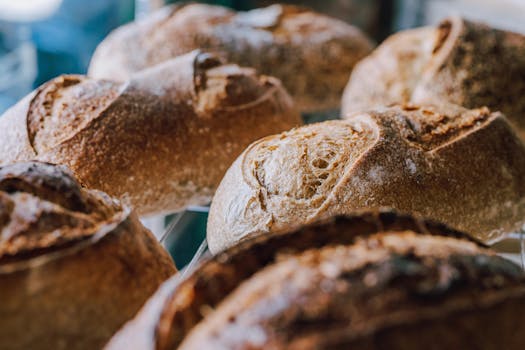
Shape into oblong bâtards or round boules, depending on the occasion. Boules feel rustic for a family table; bâtards slice neatly for events. Scoring with deep, curved lines shows off the caramelized crust.
Presentation matters: present two to three types of bread with side-by-side flavor notes so guests can discover their favorite. “Try the sprouted wheat for a nutty bite, or the rye blend if you enjoy a sour punch.”
Frequently Asked Questions
- What difference do sprouted flours make in wild fermented sourdough?
Sprouted flours break down complex starches and unleash natural sugars, giving bread sweeter, richer flavors and a softer crumb. Enzymes and minerals enhance digestibility, making your wild fermentation loaves stand out both in taste and nutrition. - Are sprouted flours harder to work with in sourdough?
Sprouted flours require tweaks to hydration and fermentation timelines because they boost yeast activity and absorb water uniquely. Adjust water by 3–5% and monitor dough closely. Fold gently and ferment slightly cooler to maintain control. - Can I use only sprouted flours for a loaf?
Baking with 100% sprouted flour delivers intense flavor but creates a denser Bread. Start with 20–40% sprouted flour mixed with bread or whole wheat. Gradually increase this ratio as you get familiar with dough behavior and fermentation cues. - How should I store sourdough made with sprouted flours?
Keep loaves in a cloth bag or wrapped in parchment for 2–3 days on the counter. For longer freshness, store slices in the freezer. Sprouted flour breads naturally retain more moisture, helping them stay soft and flavorful beyond day two. - What flavor combinations work best with sprouted flour wild sourdough?
Sprouted wheat pairs beautifully with tart dried fruits or toasted seeds. Blends with sprouted rye offer a sharp tang, great with aged cheese. Sprouted spelt works well for breakfast loaves, matching jams, nut butters, or herbed spreads.