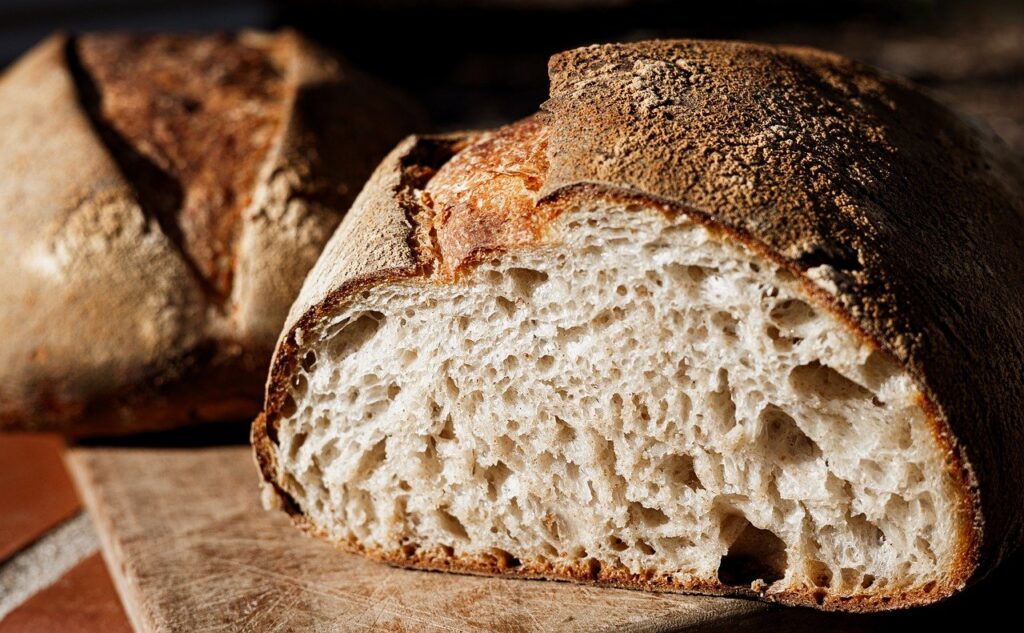
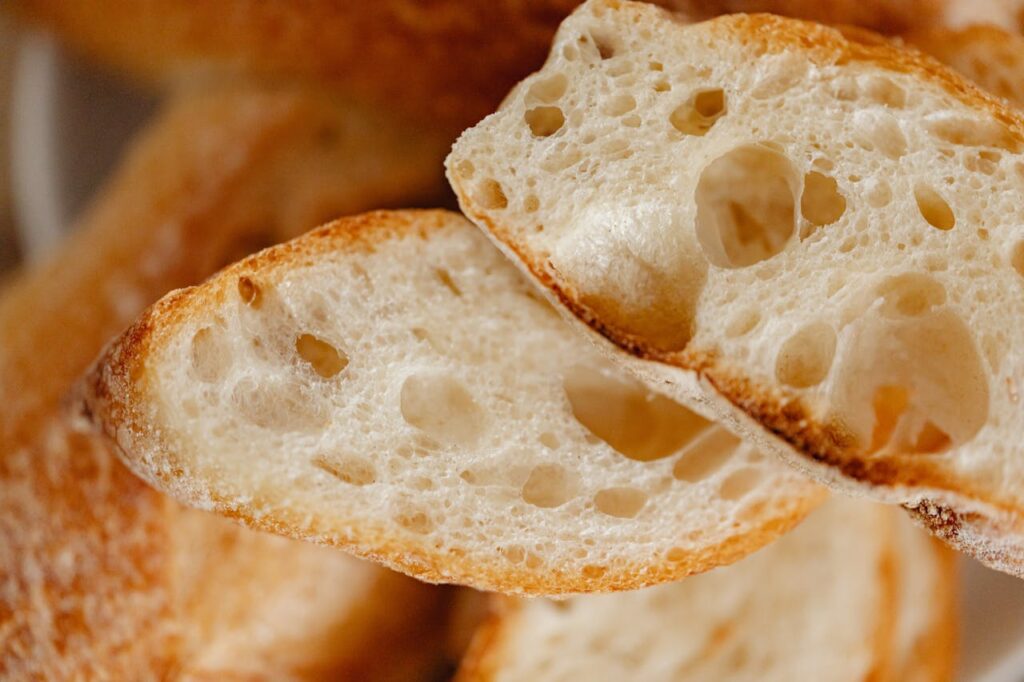
Picture a wild sourdough starter bubbling quietly on your kitchen counter. Most home bakers know the temperature of the room can change everything, even the pace of fermentation speed as their dough rises or stalls.
Wild fermentation sourdough is a living process guided by wild yeast, bacteria, and environmental conditions. The impact of temperature stretches beyond simple science—it changes activity, flavor, and the entire rhythm of your bake.
If you’re curious why your starter races ahead in July but slows in December, keep reading. You’ll discover concrete techniques and scenarios to improve your wild fermentation sourdough and master fermentation speed.
Finding the Sweet Spot: Temperature Ranges That Boost Activity and Flavor
Your wild fermentation sourdough will reward you with consistent bubbles and complex flavors once you hit the right ambient temperature. This section maps out working temperature zones and gives scripts for quick adjustments.
Bakers mention variations in fermentation speed when shifting starters from cool basements to sunlit counters. Slight tweaks in environmental warmth can make wild yeast spring to life or slow to a crawl, directly impacting your bake.
Mild Temperatures: Supporting Slow Flavor Development
At 68-72°F, fermentation speed slows but gives more time for bacteria and yeast to create lactic acids and aromatic notes. Try leaving your dough near a window overnight, and wake to noticeably deeper aroma and balanced acidity.
During cooler months, you can double the timeline for dough to peak. Say aloud, “I’ll proof for twelve hours instead of six,” and track richer flavors in each loaf as the process stretches out.
At these temperatures, aim for longer bulk fermentation. Mix dough by mid-evening, cover, and plan for breakfast shaping, knowing wild yeast prefers the gradual approach for complex taste.
Warmer Temperatures: Fast Results, Less Complexity
Setting the kitchen between 75-82°F increases fermentation speed, causing dough to double in just a few hours. This pace is handy for same-day sourdough or when you want lighter, more delicate sour notes.
On midsummer days, move the starter to the pantry’s cool shade if dough feels sticky or races ahead. The adjustment keeps wild yeast from overrunning the gentle bacterial activity, balancing rise and flavor.
At these higher temperatures, monitor dough every 30 minutes after mixing. Listen for quick rises, aromatic volatility, and, if necessary, refrigerate to halt runaway fermentation before shaping.
| Temperature (°F) | Fermentation Speed | Flavor Impact | Recommended Action |
|---|---|---|---|
| 60-64 | Very Slow | Intense sour, deep flavors | Ferment overnight, extend proof |
| 65-70 | Slow | Complex flavor, balanced acidity | Bulk 8-12 hrs, fridge proof |
| 71-75 | Moderate | Mild, nutty, less sharp | Bulk 6-8 hrs, taste test |
| 76-82 | Fast | Light sour, subtle flavors | Check hourly, fast proof |
| 83-86 | Very Fast | Yeasty, little acidity | Shorten process, cool down |
Adapting Techniques: Adjusting Fermentation for Temperature Swings
When wild fermentation sourdough faces sudden temperature changes, responding with specific steps ensures fermentation speed stays on track. These strategies let you master both cold snaps and heat waves.
Try using the kitchen locations that moderate temperature—like a turned-off oven or microwave—for proofing dough away from drafts or direct sun. Let your wild yeast and bacterial cultures work at their optimum rhythm.
Checklist: Slowing Down Fermentation Speed in High Heat
Slowing fermentation speed in a heatwave is about controlling overactivity without sacrificing rise. Use the following actionable steps, and hear yourself say, “I’m lowering the pace for deeper flavor.”
- Move dough to the refrigerator after 1–2 hours, halting yeast activity while allowing lactic acids to continue forming.
- Decrease starter percentage in high-heat recipes. Less wild yeast slows the process and tames runaway fermentation speed.
- Hydrate dough with cool water during mixing to buy more time in the early stages.
- Mix at cooler times of day, such as early morning or late evening, when the ambient temperature naturally drops.
- If room air is hot, let dough rest in shaded or north-facing areas where temperatures hold steady, avoiding windows with direct sun.
Each adjustment lets you recalibrate without guessing, so every loaf develops flavor and structure instead of rising out of control.
Checklist: Speeding Up Fermentation in Cold Kitchens
Letting dough lag behind schedule in winter isn’t necessary. Actively manage fermentation speed even in chilly kitchens with this stepwise plan.
- Warm the mixing water to the touch before combining ingredients, nudging the dough’s temperature up.
- Proof dough in a closed space with a jar of hot water nearby—inside an unplugged oven is ideal for retained warmth.
- Wrap the dough bowl in a towel or place it atop an inverted bowl filled with warm water to gently raise the surrounding temperature.
- Increase starter amount for faster activity, providing a jump start to sleepy wild yeast and bacteria on cold days.
- Set a timer to check for visible growth hourly, adjusting length based on rise and bubble formation instead of fixed times.
This checklist ensures your wild fermentation sourdough progresses even when winter chills threaten to slow everything down.
Zeroing In on Visual Cues: Recognizing Fermentation Speed Changes
Clear visual cues communicate fermentation speed. Mastering these signs—bubbles, domed tops, sticky texture—means you’re never guessing. Let’s break this down into two hands-on micro-processes with realistic scripts and advice.
Each sign answers what’s happening now and next, telling you whether to proceed, slow, or adjust wild fermentation sourdough at any stage.
Bubbles Above and Below: Gauging Active Yeast Zones
Fill a clear glass jar one-third with your sourdough starter. After an hour in the chosen proofing spot, look for the number and size of bubbles climbing the sides; more, smaller bubbles suggest rapid fermentation speed, guiding timing changes.
Surface bubbles that burst and reappear quickly reveal especially active yeast. If the surface is flat even after hours, warm up your environment or increase activity.
Scoop a spoonful: slightly stretchy, webbed texture means wild yeast and bacteria are thriving. Dense dough signals sluggish fermentation speed or overly cold proofing conditions.
Rise-and-Fall Timelines: Decoding the Dough’s Peak Moment
Mark your dough container’s height with kitchen tape at the start. Returning every hour to check rise turns fridge-cold dough into a visual lesson in fermentation speed.
Notice if dough peaks, then starts shrinking. This means overproofing has started—wild yeast used its food, so move swiftly to shaping and baking at this stage.
Between 1.5 and 2 times original volume—with a gentle, pillowy feel—is the sweet spot for baking. Press a wet finger softly in: a slow rebound signals readiness.
Keeping Every Bake on Schedule: Practical Temperature Tools
Being aware of and harnessing fermentation speed lets you predict the rhythm of your next sourdough bake. Stick these temperature tips close, and you’ll never lose a loaf to sluggish or runaway fermentation.
Every kitchen, from basement-cool to sunbaked, can produce great wild fermentation sourdough. Tailoring your techniques ensures better flavor, crumb structure, and reliability—bringing out the best from your wild yeast and bacteria.
Your evolving touch with dough—and understanding of fermentation speed—turns setbacks into delicious experimentation. Every time you adapt, your confidence and results grow together.
Frequently Asked Questions
Why did my sourdough barely rise overnight in the winter?
Low ambient temperatures significantly slow fermentation speed. Next time, increase your starter amount or proof in a warmer spot, such as inside a turned-off oven with a bowl of hot water for gentle heat.
Can I fix overproofed dough if the temperature rose unexpectedly?
Gently reshape and place the dough in a cooler area or fridge. This pauses further fermentation speed increases. Slightly underbake to retain moisture, or use the dough for pizza if texture suffers.
What’s the best way to check fermentation progress?
Besides actual rise, look for small and large bubbles on and in the dough. Fermentation speed is also visible when pressing a finger gently into the dough—an indent that springs back slowly signals readiness.
Should I adjust hydration when altering proofing temperature?
Yes. In summer, reduce water content slightly, as high fermentation speed increases stickiness. Add a touch more water during winter proofs so the dough remains extensible and doesn’t dry out during extended timeframes.
How can I slow fermentation if I need to leave the house?
Place dough promptly in the fridge, which drastically retards fermentation speed without damaging wild yeast or bacteria. Complete proofing when you return, as flavors will only deepen with this cool period.