Sourdough baking feels a bit like gardening indoors. In each flour bag, a different microbial diversity waits to join your wild fermentation. Explore how these tiny partners work together and shape the bread you love, bite after chewy bite.
What makes one loaf tangy while another bursts with nutty warmth? From rye and spelt to wheat and emmer, microbial diversity in different flour types influences everything from rise to flavor. These unique microbial communities drive the mysterious appeal of wild fermentation sourdough.
Dive into this article for expert tips and quirky facts about the unseen life inside your flour. By understanding how microbial diversity works across regions and flours, you’ll be able to fine-tune your sourdough with purpose and confidence.
Starter Growth Depends on Microbial Diversity in the Flour
Every baker’s starter evolves based on the available flour, where the key outcome is a healthy, vibrant mix of yeast and bacteria. Choosing flour with broad microbial diversity is crucial for wild fermentation sourdough success.
Microbial diversity supplies resilience. Think of it as diversifying your investment portfolio, so that if one organism falters, others rise to the occasion, guaranteeing strong, bubbly action in your starter every day.
Why Different Flours Bring Unique Results
Each flour type brings its own balance of naturally occurring microbes. For example, rye encourages rapid activity because it hosts more lactic acid bacteria, while whole wheat tends to foster robust yeast colonies fast.
If you use bread flour from one mill, you might hear a faint crackle after a few hours, signaling yeast dominance. A spelt flour starter, though, develops slowly, smelling fruity as bacteria create new flavor compounds overnight.
As you swap between flours, notice if the rise, aroma, or tang changes. Varying microbial diversity creates subtle differences in fermentation speed, acidity, and even crust color from loaf to loaf.
Examples From Everyday Kitchens
Imagine Kelly in Vermont feeding her starter with local heritage wheat. The result: a rich, complex aroma, thanks to the area’s distinctive microbial diversity—her family claims they can always taste the “home field advantage” in every slice.
Meanwhile, Brad in Oregon grows his starter with rye. His dough rises quickly, sometimes foaming up and out of his jar on cooler nights—clear proof that microbial diversity in rye yields more wild efficiency.
Switching flours—and regions—can dramatically change your bread’s profile. Next time, record sensory notes after a feed. You’ll begin to sense patterns unique to your flour’s microbial diversity.
| Flour Type | Main Microbes | Expected Aroma | Adjust Bake Strategy |
|---|---|---|---|
| White Bread Flour | Yeast-heavy | Mild, sweet | Longer bulk ferment, boost flavor with warm proof |
| Whole Wheat | Balanced yeast + bacteria | Nutty, grassy | Shorter ferment, hydrate more to manage strong rise |
| Rye | Bacteria-rich | Sour, earthy | Short feeding interval, watch for rapid acidification |
| Spelt | Gentle yeast, diverse bacteria | Malty, floral | Gentle handling, lower temperature, slow proof |
| Emmer | Unique wild strains | Rustic, fruity | Experiment with starter hydration, taste for nuance |
Infusing Your Dough With Microbial Diversity: A Practical Checklist
When you want more robust sourdough, leverage the lessons of microbial diversity every time you select, store, or mix your flour. Here’s how to apply region and flour science to your home kitchen, step by step.
Start with this baseline: fresher, less processed flour naturally supports a greater variety of microbes. If you aim for complex, tangy bread, favor flours with high microbial diversity, not ultra-refined versions.
Equipment Prep For Consistent Results
Before you switch flours, clean all your starter jars and mixing bowls. Different microbes will colonize leftover residue. Use freshly boiled water (cooled to room temp) to rinse, and avoid soap residue, as it suppresses desirable microbial diversity.
- Choose freshly milled whole grain flour for your first starter build. The less refined the flour, the broader the microbial diversity available to seed your starter, increasing its resilience.
- Store flour in a cool, ventilated spot—pantries work best. Encourage native microbial diversity by avoiding air-tight containers and refraining from freezing flour.
- Rotate flours monthly. Use formulas like “70 percent red wheat, 30 percent rye” to constantly introduce new microbial diversity, improving the flavor arcs in your bread every week.
- Use unchlorinated water. Chlorine can destroy microbial diversity in wild fermentation. Filter or let tap water sit for 24 hours so that residual chlorine disperses.
- Record fermentation changes. Write down things like bubble size, aroma, and rise time when you try a new flour. Identify which microbial diversity profile creates your favorite dough experience.
Every step enhances microbial diversity, driving healthier, more adaptable wild fermentation—and by extension, tastier sourdough bread with deeper character in every crumb.
Making Sense of Flavor Shifts
Notice when the crumb turns tangy, crumbly, or sticky. Each variation signals a rise or drop in specific bacteria and wild yeast. Use your notes to repeat successes and troubleshoot quirky results. Microbial diversity gives each loaf its personality—embrace the surprise.
- Pause before swapping brands—blend new flour into your starter gradually to avoid shocking the microbial diversity within. This step keeps dough performance reliable and flavors balanced.
- If crust browns unevenly, check microbial diversity. Rye-rich or ancient grain blends may cause higher acidity, altering Maillard browning. Adjust baking temperature by 15 degrees to even the crust.
- When bread stales too soon, increase hydration or reduce flour refinement. Sourdough with richer microbial diversity lasts longer and dries out slower thanks to extra acids and enzymes.
- Try a region swap; use flour from a different mill. Watch for major shifts in aroma and rise. Regionally distinct microbial diversity will reveal itself in every loaf’s texture, tang, and depth.
- Pay attention when dough smells like apples, grass, or vinegar. Document changes—these cue at shifts in microbial diversity and guide future flour choices for better flavor direction.
By welcoming and adapting to microbial diversity, you allow wild fermentation to genuinely express itself, unlocking a richer, more rewarding baking practice every time you bake.
Bread Texture and Taste: Microbial Diversity’s Influence Comes Through
By tuning in to the distinct communities each flour offers, you can consistently shape crumb texture and flavor in wild fermentation sourdough. Microbial diversity translates directly into sensory experience and must guide your flour choices.
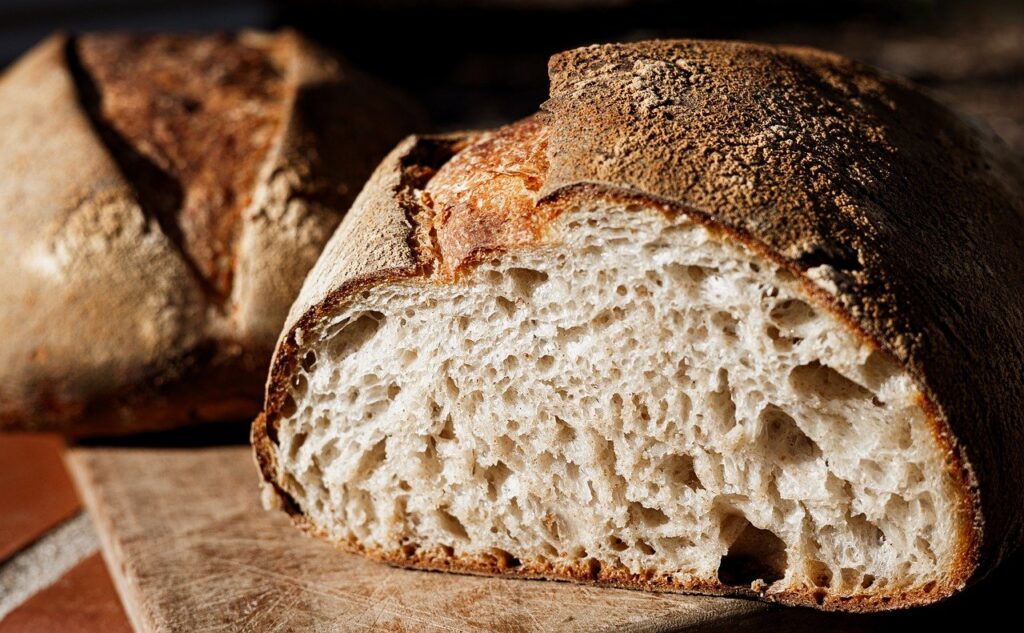
Imagine comparing two loaves: one made with freshly milled spelt, another with aged bread flour. The difference in crumb openness and tang can be traced back to each flour’s unique microbial diversity profile.
Bake Day Script for Noticing Microbial Impacts
When you prep your levain, listen for sounds—a gentle fizz rising signals yeast dominance, while a subtle tang in the air suggests lactic acid bacteria are hard at work within your sourdough.
On mixing, monitor dough stretch. If you feel elasticity quickly, yeast is strong. Slower tightening indicates a powerful population of acidifying bacteria, revealing microbial diversity at work in your dough.
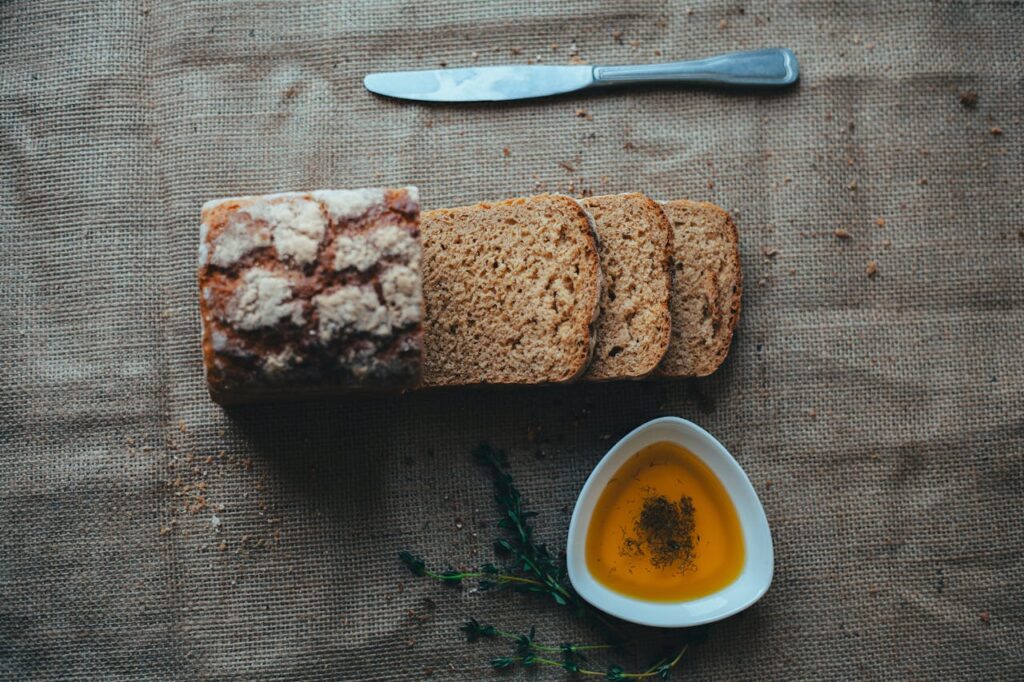
If a loaf tastes slightly fruity or earthy, pair it with olive oil or salty butter to amplify the natural flavors derived from complex microbial diversity.
Recognize the Role of Regional Grains
Ask your local miller about their sourcing. Flours from different fields create regionally unique microbial diversity. These regional microbial bouquets infuse each loaf with terroir—distinctive aroma and mouthfeel specific to local soil and air.
When you source flour from several regions, side-by-side bakes can highlight differences. Visual cues like color and bubble pattern reflect variations in microbial diversity from one region to another.
If a friend hands you a starter from across the country, feed it your local flour for three days. Its behavior may gradually shift, adapting new textures and flavors thanks to local microbial diversity mingling with existing populations.
Sharing Bread Traditions: Microbial Diversity in Practice
Home bakers inherit sourdough starters, each carrying generations of microbial diversity shaped by kitchen habits and flour preferences. By stewarding these starters carefully, you actively maintain and reshape their microbial diversity over time.
Pouring starter into a neighbor’s jar—just like trading family recipes—passes on not just yeast and bacteria, but an entire microbial diversity legacy. Every kitchen subtly alters the population, creating a new flavor fingerprint.
Handing off a Starter: Best Practices
When you decide to gift sourdough starter, use freshly milled flour with rich microbial diversity in your feeds a week prior. This primes the starter for rapid adaptation and healthy fermentation in its new environment.
Jot down feeding notes describing what’s typical: bubbly volume after six hours, classic apple aroma, or how it doubles overnight. This context prepares your friend for the behavior of your starter and its embedded microbial diversity.
Packing starters for transit? Briefly refrigerate before transfer to slow metabolism. Within 24 hours, instruct your recipient to revive with a 1:1 flour and water feed. This supports the starter’s microbial diversity transition and resilience.
Interpreting Cultural Sourdough Routines
Cultural practices affect microbial diversity: Swedish bakers, for example, might retain a “mother” starter for decades, continuing to refresh with native rye flour—and each refresh introduces microscopic local diversity anew.
In contrast, bakers who alternate between several flours may encourage a more heterogeneous microbial diversity mix, leading to bread that surprises with new aromas or crumb qualities from one bake to the next.
You can integrate these routines by designating a “house blend” flour for maintaining your own starter, borrowing ideas from global traditions while curating microbial diversity tailored to your personal taste.
Predicting Fermentation Speed With Microbial Diversity Monitoring
Bakers who systematically track microbial diversity in their starters can anticipate speed changes in fermentation. Fast or sluggish rises tie back to yeast and bacterial balance in chosen flours and regions.
Set a routine: photograph your dough at mixing, after bulk rise, and at proof. Note differences in bubble structure and aroma—these reveal the dynamic interplay of microbial diversity in wild fermentation situations.
Create a Microbial Diversity Logbook
Use a small notebook or app to track flour types, hydration, temperature, and rise times for each bake. Include aroma notes, crumb color, and flavor shifts, then review for patterns linked to microbial diversity in your sourdough.
If you want consistent results, combine this log with a thermometer and scale. Minor changes in flour brand or blend, even regional shifts, can be documented and traced to their effect on microbial diversity profiles, flavor, and performance.
A solid record helps you decide: “Do I prefer the tartness of rye-fed starters, or the airy crumb from spelt-and-wheat blends?” Let microbial diversity guide your next batch—and your signature sourdough style.
Responding to Seasonal Variations
Cooler winters mean longer fermentation as microbial diversity slows under lower temperatures. In summer, wild fermentation accelerates. Adjust your proofing times based on the rhythm of your starter—microbes respond as much to your kitchen as your flour choice.
If your starter feels sluggish in winter, feed it more regularly and use slightly warmer water to encourage microbial diversity. Conversely, in hot weather, refrigerate the starter between feeds to avoid unwanted acid spiking.
Seasonal monitoring lets you feel connected to both the climate and the subtle dance of microbial diversity in your bread—the secret ingredient of wild fermentation’s magic.
Frequently Asked Questions
How does microbial diversity directly impact sourdough flavor? Microbial diversity shapes the ratio of acids to alcohols, aroma complexity, and depth of tang. More diverse bacteria and yeast populations result in nuanced flavors, from nutty to citrusy, that define wild fermentation sourdough textures and taste.
Does store-bought flour lack microbial diversity compared to stone-milled flour? Yes, most industrial flours are highly refined and sifted, reducing natural microbial diversity. Stone-milled, whole grain flours typically retain more native bacteria and yeast, making them ideal for launching vibrant wild fermentation sourdoughs.
What happens if I switch between flour types in my starter? Mixing flours introduces new microbial diversity, which can cause subtle changes in rise, aroma, and acidity. Gradually introduce new blends, tracking changes in your starter’s look and smell to adapt your feeding schedule accordingly.
Is there an ideal flour region for optimal sourdough? There’s no single “best” region. Local microbial diversity profiles enrich bread in unique ways. Experiment with flour from various sources to discover which yields the texture, rise, and flavor you love most in your wild fermentation sourdough bakes.
Does microbial diversity make sourdough healthier? Increased microbial diversity generates more acids and enzymes, which can boost digestibility and shelf life. Wild fermentation’s varied microbes may also help ferment FODMAPs and gluten, making sourdough gentler for some individuals compared to commercial bread.
Bread With Character: Embracing Microbial Diversity Every Day
Each time you bake with a new flour or from a different region, you spark a fresh burst of microbial diversity in your sourdough. This isn’t just science—it’s a practical, sensory journey unlocked through wild fermentation.
By tracking the rise, aroma, and flavor shifts as you blend flours, you’ll get to know the microbial diversity that thrives in your kitchen. This empowers you to shape every loaf into a personal signature.
Wild fermentation sourdough rewards experimenters. With each mix or swap, let the evolving microbial diversity tell you what works. You’re not just following a recipe—you’re collaborating with the invisible world that makes sourdough special.