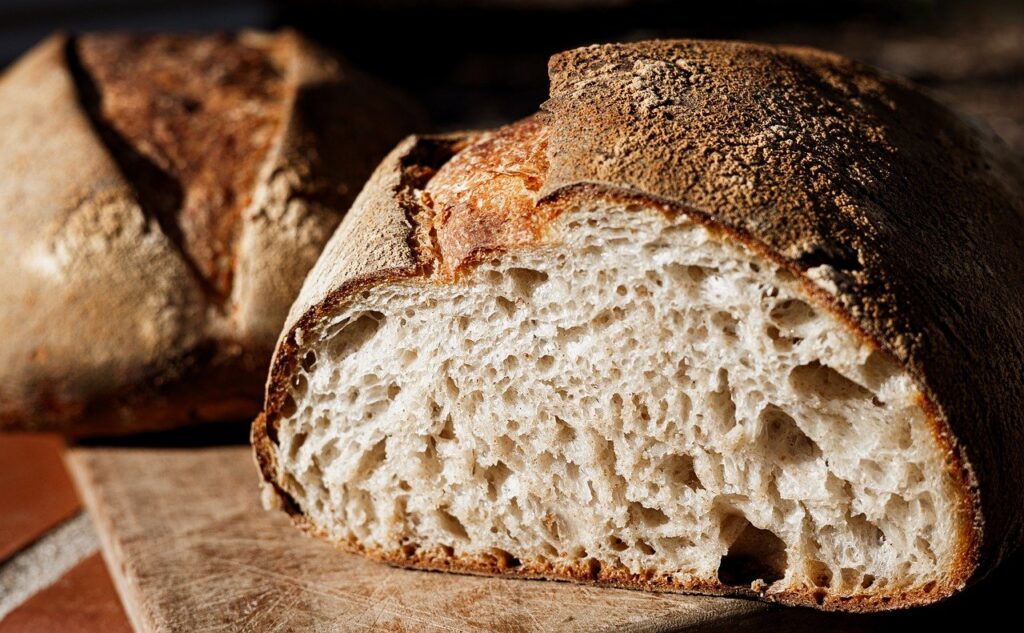
Picture pulling apart a warm slice of wild fermentation sourdough, admiring its open crumb and breathing in a fruity aroma. The secret link between acidity crumb structure connects the visuals you crave with flavors you remember, shaping the bread’s essence well before you slice it.
Whether you’re pursuing a tender, lace-like interior or seeking a complex tang, understanding acidity’s influence means you can nudge your loaves toward your ideal results. Acidity crumb structure holds the key to achieving artisanal quality with every fermentation.
Let’s peel back the layers of the sourdough process, revealing why acidity crumb structure deserves your attention. Dive in, and discover approachable ways to fine-tune your wild fermentation bakes at home or in any professional kitchen.
Balancing Acidity for a Lofty, Open Crumb Every Time
Clear cause-and-effect exists between acidity crumb structure and the wild fermentation sourdough you admire. Bakers who monitor and tweak acidity reliably achieve open, delicate crumbs instead of dense or gummy results.
Managing acid levels isn’t just a science experiment. Each starter and dough holds its own ecosystem. Once you grasp the relationships in acidity crumb structure, you can proactively steer the process to shape crumb and aroma, loaf after loaf.
Testing Dough pH for Predictable Results
Bakers use pH strips or meters to track changes during fermentation. A basic reading at mixing typically registers between 5.8 and 6.0, gradually dropping as fermentation proceeds. Targeting a final dough pH around 4.0-4.3 delivers a moist, open crumb.
If readings plummet below 3.8, dough tightens, often leading to a tougher crumb with less oven spring. Pairing regular pH recordings with visual and tactile dough cues helps prevent surprises and enables you to document ideal acidity for future bakes.
This scientific approach—precision balanced with hands-on feedback—means you can replicate airy holes day after day, not leave them to chance when shaping future wild fermentation sourdoughs.
Real-Life Scenario: Timing Your Shaping and Bake
Imagine you return from work, eager to shape dough that’s fermented for several hours. Using a pH reading of 4.2, you gauge it’s time to pre-shape and rest, rather than risk over-acidification with a longer ferment.
Should your dough still feel tight but slightly sticky, that 4.2 pH aligns with the acidity crumb structure you want—room for large holes and aromatic complexity. Relying on these multiple signals creates a more consistent wild fermentation sourdough routine.
The tactic: Document pH readings alongside dough characteristics. Over a few bakes, adjust fermentation time or temperature to get that reliable, professional-quality crumb structure, batch after batch.
| Dough pH | Crumb Result | Aroma | Action for Next Bake |
|---|---|---|---|
| 4.8–5.2 | Dense, tight | Mild, subdued | Increase fermentation time; use warmer proof |
| 4.3–4.7 | Moist, semi-open | Mild tang, sweet | Maintain current process if satisfied |
| 4.0–4.3 | Open, irregular | Complex, fruity | Ideal for artisan sourdough; log parameters |
| 3.7–3.9 | Somewhat tight | Sharp tang, hint of vinegar | Shorten ferment; consider cooler temperature |
| <3.7 | Rubbery, tough | Strong, sour | Reduce fermentation drastically; avoid for delicate crumb |
Wild Culture Acidity: Make Decisions That Shape Every Bite
Understanding the microbial interactions guides you to adjust variables for more open crumbs and layered aromas. Acidity crumb structure is determined long before the oven, and specific choices bring about noticeable differences during final handling.
Effective bakers watch both visible and invisible changes. The microbes balance lactic and acetic acids, directly influencing dough extensibility and aroma. Rein in wild cultures with informed steps for breads that truly reflect your taste.
The Acid Test: Checklist for Flavor and Texture
For every bake, keep a checklist handy:
- Track starter and dough pH every fermentation, ensuring acidity crumb structure stays on target for light interior or tangy punch.
- Note dough texture at each stage. Extensible dough signals enough lactic acid for open holes, while tightness implies excess acid.
- Gauge aroma during bulk. Fruity, sweet notes mean balanced acids—sour, vinegar-like aromas reveal acetic acid dominance.
- Record baking temperature. High heat (460°F and above) encourages aromatic complexity while stabilizing crumb expansion.
- Adjust hydration. Wetter doughs produce more lactic acid, softening crumb and deepening flavor development.
When you approach wild fermentation sourdough this way, your notebook provides clear data for small, day-to-day tweaks.
Action List: Adjusting for a Softer, More Aromatic Crumb
Here are actionable steps to boost the aroma and crumb:
- Lower fermentation temperature to slow acid production, allowing bacteria to create more aromatic compounds rather than excess sourness.
- Feed starter at its peak activity to encourage lactobacillus—key for a mild, floral acidity crumb structure.
- Opt for shorter bulk fermentation for delicate loaves, capturing natural sweetness before acidity dominates the process.
- Fold dough gently during bulk to retain gases, supporting openness instead of compressing crumb with overhandling.
- Monitor fermentation visually and aromatically in tandem with acidity measurements, blending intuitive and scientific feedback for best results.
Continually revisiting these actions strengthens your instincts and sets you up for creative experimentation with flavorful, nuanced bread.
Aroma and Crumb in Practice: Compare, Contrast, Improve
Practical observations and adjustments make the difference between ordinary bread and wild fermentation sourdough with standout aroma. Small shifts in acidity crumb structure add new layers to each loaf’s character.
Observing different rise patterns can alert you to acid imbalances. For example, weak oven spring with a pale crust suggests insufficient acid—an issue correctable by a longer fermentation or warmer environment.
The Tang Versus Sweetness Trade-Off
Tweaking temperature or feed ratio can produce bread with either bright tang or gentle sweetness. Using cool overnight proofing and feeding starter less frequently increases acetic acid, bringing chewiness and a bold aroma, but also tightening crumb.
Opting for warmer, faster fermentation supports lactic acid–driven flavor: open, soft crumb, faintly yogurt-like aroma, and subtle tang. Tracking batches with changing variables helps dial in your personal preference, giving you repeatable results.
Write down post-bake impressions: “More tang than usual, holes slightly smaller—try shorter cold ferment next time.” These notes quickly become a roadmap to consistently achieving your preferred acidity crumb structure.
Itemized Examples: Troubleshooting Loaf Outcomes
If your loaf cools and the interior feels gummy, look to acid balance—lower hydration or shorten fermentation next time for drier, more structured crumb. This reflects how acidity crumb structure isn’t isolated but interacts with many choices.
When bread seems flat or bland, extending fermentation or using a thicker starter introduces more complex, aromatic acidity—enhancing both crumb and overall flavor profile.
When you taste floral notes and see even, translucent bubbles throughout the crumb, record the batch’s details: starter age, temperature, and pH readings. These benchmarks define your wild fermentation sourdough improvements.
Frequently Asked Questions
- Why did my wild fermentation sourdough turn out dense instead of light and airy?
Dense loaves typically result from insufficient acidity development or underfermentation. Check your dough’s final pH, and ensure bulk fermentation lasts long enough for proper acid balance. Monitor dough extensibility and aim for a slightly tacky, elastic feel just before shaping to optimize acidity crumb structure. - How can I enhance the sour aroma without sacrificing crumb openness?
To boost sourness while maintaining open crumb, bulk ferment longer at a lower temperature. This lets bacteria build up more acetic acid without collapsing the crumb. Use a mature, well-fed starter and avoid degassing the dough excessively during shaping for better aroma and crumb structure. - What starter feeding schedule helps regulate acidity crumb structure?
Regular, twice-daily feeds at room temperature create a balanced mix of lactic and acetic acids. For a sweeter loaf, feed your starter when it peaks; for higher tang and smaller holes, feed less frequently or proof colder. Track outcomes and adjust as needed based on crumb and aroma. - Can flour type affect acidity crumb structure and aroma?
Yes, whole grain flours contribute to higher acid production, leading to denser crumbs and more pronounced aromas. White bread flours produce milder acidity and more open crumbs. Try blending flours for unique outcomes tailored to your taste and loaf goals. - What home tool do I need to start managing dough acidity?
A digital pH meter or reliable pH strips work well for home bakers seeking fine control over acidity crumb structure. Combine pH tracking with careful notes on dough texture, rise, and aroma to link acidity levels to your sourdough’s structure and flavor outcomes.