Imagine baking sourdough where the flavors and textures surprise you with every loaf. That unpredictability springs from natural wild fermentation, influenced deeply by unique yeast strain variations thriving in your local environment. Each starter contains countless invisible players shaping the dough’s personality.
Learning about yeast strain variations isn’t just about names or origins. It’s about understanding why your wild fermentation sourdough tastes brighter, tangier, or chewier than your neighbor’s, even when you follow the same basic steps. These tiny differences define every rustic, hearty slice.
Let’s pull back the veil on what makes each batch of wild fermentation sourdough truly individual. Throughout this article, discover how yeast strain variations shape aroma, crumb, rise, and the baker’s day-to-day experience—no matter where you knead your dough.
The Flavor Engine: Distinctive Results from Wild Yeast Strain Variations
You gain predictable, tangible improvements in flavor by learning the different impacts of yeast strain variations. Even a single batch of wild sourdough can taste dramatically different due to these invisible actors.
Yeast strain variations directly influence the balance of acidity, tang, sweetness, and umami in every loaf. Think of each unique combination as a custom blend, forged through ambient microbes that thrive in your kitchen’s microclimate.
Shaping Aroma: Bread that Communicates Place
Some bakers liken wild sourdough’s aroma to a fingerprint—absolutely unique and instantly recognizable. When you nurture a starter, you’re actually inviting local yeast strain variations to mingle and collaborate.
A starter cared for in one neighborhood will develop floral, fruity, or earthy scents that differ from a loaf made across town. You’ll spot the consequence in nutty crusts or delicate hints of spice as your bread cools.
Practice sniffing your rising dough at intervals. If it shifts from grassy to apple-like, you’re witnessing yeast strain variations expressing themselves as a silent signature within your wild fermentation.
Texture Evolution: Why Crumb and Chew Vary Loaf to Loaf
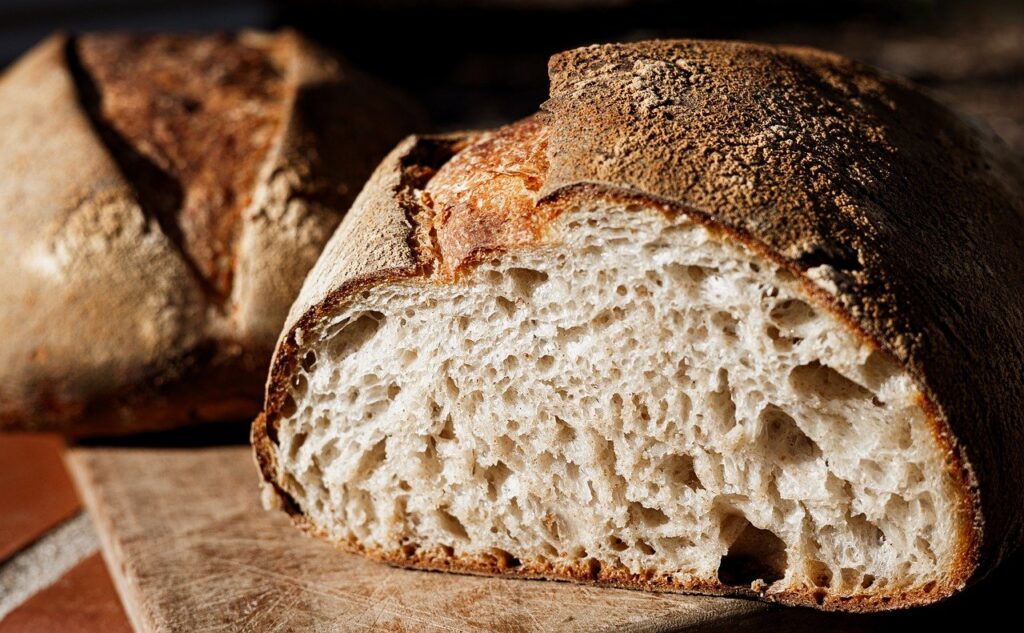
One baker might remark, “My wild sourdough has large, even air pockets and a delightfully chewy bite.” Their friend’s bread, nurtured kilometers away, could feel dense yet moist with a slight tang.
This isn’t random luck. Those results flow from the metabolic differences in wild yeast strain variations—specifically, how they feed on starches, interact with bacteria, and release carbon dioxide at different rates.
You can experiment by dividing a batch, letting one ferment in a different spot. Compare slices side-by-side and jot down what surprises you. That’s the wild power of yeast strain variations at work.
| Starter Origin | Common Yeast Species | Flavor Profile | Suggested Baking Adjustment |
|---|---|---|---|
| Local Garden | Saccharomyces cerevisiae | Fruity, mild sour | Longer rise; boost fermentation activity with higher hydration |
| Rural Countryside | Kazachstania exigua | Earthy, slightly nutty | Try a blend with whole grains for depth |
| Urban Apartment | Pichia fermentans | Soft floral notes | Lower proofing temperature for more nuanced taste |
| Coastal Region | Torulaspora delbrueckii | Briny, mineral hints | Use less salt to avoid clashing flavors |
| Ancient Mill | Saccharomyces bayanus | Strong acidity, bold finish | Shorten bulk fermentation to tame sourness |
Everyday Baker Choices: Adjusting to Local Yeast Strain Variations
By adapting your starter care and dough routines, you create the best conditions for your home’s unique yeast strain variations. These changes are easy to implement and lead to genuinely original wild fermentation sourdough.
Observe how your starter bubbles, smells, and rises. Use this information to tweak hydration, flour choice, and fermentation timing—simple moves that help your native yeast strain variations flourish in your kitchen.
Routine Tweaks for Distinct Flavors
To align with what your yeast needs, feed your starter using varied ratios—more or less water, different flours, or even location changes—testing wild fermentation results weekly. Write down how crumb, chew, or aroma develop.
- Test hydration levels: Increase water for open crumb, decrease for finer texture; your local yeast strain variations react differently.
- Swap flour types: Alternate between whole grain and white flour to boost microbial diversity; compare flavor shifts with small test loaves.
- Shift proofing areas: Prove dough in a warmer or cooler spot and record rise speed and flavor; temperature affects yeast strain variations’ performance.
- Alter feeding frequency: Feed starter more often for sweeter notes, slow down for tangier results; wild fermentation makes every adjustment impactful.
- Sample at each stage: Smell and taste dough pre-bake and post-bake; use sensory feedback to identify yeast strain variations’ impact over time.
Apply one tweak per week and journal the results. By season’s end, you’ll have a personal playbook to match wild fermentation outcomes with your taste preferences.
Understanding Fermentation Timing for Tang or Mildness
Fermenting longer doesn’t just bring more sourness—it gives certain local yeast strain variations time to make subtle, fruity notes. Short bulk fermentation, meanwhile, maintains gentle aromas and mild acidity for a balanced loaf.
- Monitor bulk fermentation time: Extend for deep, bold flavors or shorten for lighter, subtly sweet sourdough that highlights delicate yeast strain variations.
- Watch dough inflation: A slow rise signals less sugar breakdown and more acidity. Quick rises capture yeasty brightness and optimal crumb structure.
- Switch proofing vessels: Try ceramic or glass to manage heat distribution, protecting sensitive yeast strain variations from temperature swings.
- Control final proof time: Retard dough in the fridge for slow, nuanced flavor or finish quickly for brighter profiles; wild fermentation creates surprising effects from these shifts.
- Assess crust after baking: A shiny, blistered crust suggests robust yeast fermentation, while dull or dry textures can mean too little yeast activity or overproofed dough.
Use this stepwise approach to personalize your fermentation schedule. In wild fermentation, small adjustments reveal significant shifts in both aroma and mouthfeel.
Native Microbial Communities Create Signature Wild Fermentation Sourdough
Local yeast strain variations form tightly knit teams with bacteria and enzymes. Their interactions directly decide whether your wild fermentation sourdough sports a glossy crumb, rich tang, or mellow sweetness.
Understanding this collaboration empowers you to tune your process and reliably produce standout bread that expresses its microbial origins with every bite.
Tuning Sourdough’s Sweetness with Targeted Flour Mixes
Blending flours creates a custom playground for your home’s yeasts—whole wheat, rye, and spelt each release nutrients at their own pace, enticing different yeast strain variations to thrive or fade. The result: bread flavor and aroma shift perceptibly in one bake.
Introduce 15–20 percent rye into your dough and you’ll likely notice accelerated fermentation with spicy or malty notes. Your active yeast strain variations decide how sweet or savory these new flavors appear in the crumb.
Try five bakes using different flour blends. After each, compare aroma, crumb structure, and flavor before deciding your preferred combination for sustained wild fermentation.
Boosting Complexity with Extended Cold Fermentation
Giving your dough a cold, slow rest—typically overnight in the fridge—invites slower-growing yeast strain variations to express themselves. These strains often make bread more flavorful without overwhelming acidity.
Once you notice deeper flavors appearing after a slow cold proof, consider making it a routine element. A single adjustment here can double the complexity of your wild fermentation sourdough with minimal extra effort.
Pairing a cold retard with gentle folding rather than strong kneading improves gas retention and crumb texture. Yeast strain variations flourish in this stress-free environment, and you can taste a subtle difference in interior softness.
The Ripple Effect: Yeast Strain Variations Shape Nutrition and Digestibility
Focusing on yeast strain variations helps you enhance not just flavor but nutritional value and digestibility in every wild fermentation sourdough you bake. Precision in handling your sourdough starter creates tangible health benefits.
Each wild starter, packed with local yeast strain variations, boosts bioavailability of nutrients by breaking down gluten, phytic acid, and starches uniquely, compared to commercial bread. This process unlocks minerals while taming sugars for longer-lasting energy.
Supercharging Mineral Release with Longer Fermentations
By allowing wild fermentation sourdough to ferment longer, yeast strain variations collaborate with bacteria to dismantle phytate bonds. This step frees up vital magnesium, iron, and zinc for easier absorption by your body.
When slicing open a thoroughly fermented loaf, you’ll observe a pleasant nutty scent and lighter crumb. That’s a result of deeper microbial action—a visible sign of richer nutrition led by diverse yeast strain variations.
Regularly rotating flours ensures your starter is exposed to new nutrients, supporting healthful fermentation and encouraging even more robust yeast strain variations to emerge in your wild starter culture.
Balancing Carbohydrates for Sustained Energy
Wild fermentation encourages a gradual transformation of starches. This means the natural sugars in bread reduce, yielding a lower glycemic index and a bread that keeps you satisfied much longer.
Each home features yeast strain variations that break down sugars at individual rates. Through controlled proofing and flour blending, you create a signature loaf that tastes both hearty and gentle on digestion.
Aim for a 16–20 hour fermentation window. Taste your bread at regular intervals and note when flavors turn sweet but not sharp. This method highlights yeast strain variations while ensuring the most even, nourishing crumb.
Applying Sensory Tests for Reliable Wild Sourdough Results
Sensory feedback—sight, smell, and feel—lets you spot which yeast strain variations are dominating the fermentation process. This insight puts you in control of wild sourdough’s distinctive results every time you bake.
Adjust your wild fermentation timing and starter care according to what your nose and hands tell you. The more consistently you observe, the more reliably you can reproduce great results with your unique yeast strain variations.
Working Hands: Recognizing Dough Readiness
When wild fermentation dough feels silkier and springs back under gentle pressure, yeast strain variations have produced enough gas for a lofty rise. Under-proved dough remains dull and stiff, signaling a need for longer rest.
Mature wild fermentation starter doubles in size within five hours at room temperature. If yours lags or overflows quickly, adjust flour or water until yeast strain variations grow at a steady, predictable pace.
Practice the poke test before baking: press your finger into the dough’s surface; if the indent rebounds slowly, your chosen yeast strain variations are ripe for baking and will reward you with a delightful crumb.
Trusting Your Senses: Aroma, Sight, and Taste
A sweet, apple-like or tangy smell as the dough proofs signals robust wild yeast strain variations. Faint or off aromas suggest more feeding or a starter refresh is needed.
Inspect bubbles: Even, pearly bubbles all over the surface mean healthy yeast activity. Flat, few, or uneven bubbles can mean your wild fermentation dough wants warmth or a new flour blend.
Taste pre-bake dough; if sourness lingers without bitterness, wild fermentation is unfolding beautifully. Regular sampling builds your language for interpreting yeast strain variations’ subtle, evolving effects.
Lasting Lessons from Wild Yeast Diversity in Sourdough
Diverse wild yeast strain variations consistently drive new textures, flavors, and nutritional boosts. Apply techniques from this guide each week and let your kitchen’s ecosystem become the true author of every crust and crumb.
Your attention to wild fermentation starter care, proofing schedules, and ingredients brings yeast strain variations to their aromatic, tasty best. Over time, you’ll witness how practice delivers unique, repeatable sourdough success.
Respect the artistry of wild fermentation, knowing that yeast strain variations are both your collaborators and your teachers. Approach each bake with curiosity, and every loaf will tell part of your kitchen’s ongoing story.
Frequently Asked Questions
- How can I identify the yeast strain variations in my wild sourdough starter?
Smell and flavor shifts, bubble patterns, and proofing speed give clues. Over time, tasting and documenting results lets you track which yeast strain variations dominate your starter. - Will using bottled water or tap water affect my dough’s yeast strain variations?
Yes, water mineral content can alter microbial balance. Filtered or spring water supports diverse yeast growth, while chlorinated tap may suppress some wild strains. Test both and compare performance. - Do yeast strain variations really improve sourdough nutrition?
Absolutely. Wild sourdough’s naturally diverse culture breaks down gluten and phytates more completely, boosting mineral bioavailability and digestibility compared to single commercial strains. - What proofing temperature works best for wild fermentation?
Most yeast strain variations thrive between 72 and 78 F. Cooler temps produce milder, fruitier flavors, while warmer environments speed up fermentation and increase tang. Adjust to match desired outcomes. - Can I purposely introduce new yeast strain variations to my starter?
Yes—blend in unbleached organic flour, water from different sources, or start fresh in a new location. Each adjustment invites new yeast strain variations to take hold, gradually transforming your bread’s flavor and texture.