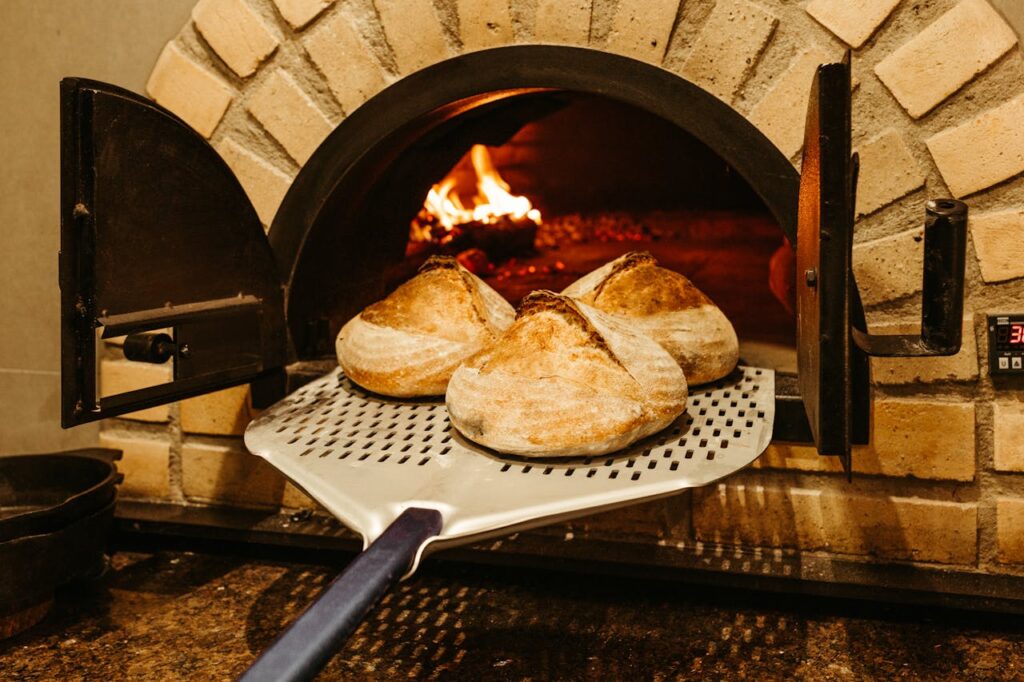
Crisp sourdough crust, dramatic oven spring, and a glossy, caramelized finish—baking vessels can make all the difference for wild fermentation sourdough lovers aiming for that perfect loaf. Choosing the right container shapes your bread’s flavor and texture from the first preheat to the final crumb.
Both cast iron and ceramic baking vessels regularly appear in artisan bread kitchens. They help capture moisture and regulate heat, but each material offers distinct advantages (and quirks) when taming wild fermentation sourdough. Their performance depends on how you time your bakes, steam your crust, and clean up after.
This article walks you through every critical difference between cast iron and ceramic baking vessels. Whether you want sharper ears or persistent steam, find out which material handles wild fermentation’s demands and why it can change your entire bread game from week to week.
Assessing Heat Retention: See How Your Bread Reacts to Consistent Temperatures
Heat retention creates the steady oven environment every wild fermentation sourdough recipe needs. Cast iron baking vessels excel at locking in heat, resulting in a bold oven spring and deeper color during baking.
Ceramic baking vessels, meanwhile, heat more gently but lose heat faster when you open the oven. That can produce lighter crusts but sometimes costs you dramatic rise if you bake in quick succession.
Comparing Preheating Techniques
Bakers who choose cast iron know the value of an extended preheat—at least 45 minutes, so the vessel radiates stable, high heat. It’s like preheating a pizza stone, but you’ll notice better results in a closed environment.
Ceramic needs gentler preheating to avoid cracking. Place it in a cold oven, then warm gradually. If you rush this, thermal shock can sideline your favorite vessel for good.
Wild fermentation sourdough benefits most when the baking vessel matches the dough’s readiness: set the preheated vessel nearby and act quickly to capture all that steam and energy.
Impact on Crust Formation During Baking
Cast iron’s aggressive heat encourages a rich Maillard reaction. You’ll hear a strong ‘crackle’ when you release the lid, signifying a golden, well-caramelized crust.
Ceramic provides a softer envelope for your bread to expand. Expect thinner crusts but a pleasant chew, especially if you favor moist doughs and moderate bake times.
If you love a shattering, audibly crisp crust, cast iron is your friend. But, if a more rustic and gentle crust suits your family’s taste, ceramic’s soft heat delivers beauty in every slashed ear.
| Property | Cast Iron | Ceramic | Takeaway |
|---|---|---|---|
| Heat Retention | Very High | Moderate | Preheat cast iron for stable crusts; use ceramic for milder bakes |
| Oven Spring | Excellent | Good | Go cast iron for dramatic volume, ceramic for gentle expansion |
| Crust Thickness | Thick & Crisp | Softer, Chewy | Pick based on desired crust feel |
| Steam Control | Superior | Moderate | Cast iron traps steam better; ceramic works best when covered tightly |
| Durability | Extremely Tough | Needs Care | Use cast iron for longevity; ceramic for lighter handling |
Managing Steam Release and Retention: Step-by-Step for Each Vessel Type
Ensuring enough steam reaches your wild fermentation loaf is simple if you know how each baking vessel behaves. Cast iron dishes trap moisture tightly, giving your crumb that coveted open structure.
Ceramic baking vessels, when paired with fitted lids, also encourage steam retention. However, they sometimes let out more moisture, leading to less shine but a suppler bite in your finished crumb.
Maximizing Steam in Cast Iron Vessels
For wild fermentation sourdough, transfer your shaped dough directly into the searing hot cast iron vessel. Use oven mitts and quick movements. Immediately secure the lid and bake for the first half to guarantee a moist environment.
- Preheat with the lid on to trap heat uniformly; your loaf receives an even burst once inside the vessel.
- Score your sourdough right before placing it in; the steam expands these cuts for a bold ear.
- Do not peek early; opening breaks the steam cycle, which can flatten oven spring.
- Once time’s up, remove the lid for extra browning; this simulates a real artisan hearth.
- Let the vessel air dry completely after baking to prevent rust and lingering odors.
This practice insulates the loaf during its first, most crucial baking minutes, maximizing that glossy, crackling crust everyone craves in wild fermentation sourdough.
Optimizing Ceramic Vessels for Moisture Control
Place your dough gently in a cool ceramic vessel lined with parchment. Cover securely. Ceramic vessels thrive when not overloaded and when the lid creates a snug seal.
- Gradually preheat your ceramic with the oven to avoid thermal shock and vessel cracking.
- Choose thick-walled ceramics for better results; these hold heat longer, protecting your dough’s development.
- Line with parchment for easier transfer and to reduce sticking—especially for wetter wild fermentation doughs.
- Tent foil over the lid if your ceramic vessel doesn’t seal perfectly, trapping steam longer.
- Remove the lid only during the final baking phase for soft top color yet pleasant chew.
These steps create a consistent wild fermentation sourdough experience, even when using handmade or vintage ceramic baking vessels in your home kitchen.
Cleaning and Maintenance: Create a Care Routine That Extends Vessel Life
Proper cleanup and ongoing care ensure your baking vessels stay in perfect working order for future wild fermentation sourdough bakes. Neglecting routine maintenance can lead to stuck loaves, rust, or chipped ceramic over time.
Always cool baking vessels slowly before washing. Drastic temperature shifts crack ceramics and warp cast iron. Let both sit on a cooling rack for ten or fifteen minutes after the loaf comes out.
Cleaning Cast Iron: The No-Soap, Drying-First Method
Scrape out crumbs or stuck bits with a wooden spatula—avoid metal tools, which scrape seasoned surfaces. Rinse with hot water but skip soap to preserve that nonstick patina.
Wipe the interior dry with a towel, then set the baking vessel in a warm oven or on the stove for ten minutes. Heat it empty and upside down to banish any lingering moisture and prevent rust.
Once dry, rub a thin layer of neutral oil inside and out. Use paper towels to remove excess. Seasoning strengthens the barrier, building resilience for each wild fermentation bake.
Maintaining Ceramic Vessels: Gentle Hands Win the Day
Remove dough remnants gently with a soft sponge. Use mild dish soap as needed; ceramic glazes can tolerate occasional cleansing, but harsh scouring pads or detergents can scratch.
If stains or dough stick, soak in warm water for several minutes before wiping. Never shock ceramics with icy water after a hot bake—cracking is irreversible.
Store ceramics with lids ajar so air circulates inside. This discourages mold and keeps your baking vessels ready for the next wild fermentation experiment.
Navigating Shape and Size: Scenario-Based Selection for Sourdough Bakers
Matching vessel size and shape to your wild fermentation recipes lets you control loaf profile and crumb. Picture tight-fitting cast iron Dutch ovens and wider ceramic roasters—each shapes your sourdough differently.
Bakers who want round, compact loaves gravitate toward cast iron’s high sides. Family-style boule shapes and tall wild fermentation bakes work best in these durable baking vessels.
Slim Boule in Cast Iron: Script for First-Time Bakers
Flour your banneton, proof wild fermentation sourdough, then tip gently into a preheated cast iron vessel. Score, cover, and bake directly. Expect an upright rise and a domed silhouette when you unveil your loaf.
If you spot spreading at the base, reduce hydration next time. Dough that climbs upward inside cast iron typically signals an accurate vessel-to-loaf match for sourdough perfection.
“I want this to look like a French bakery loaf,” bakers say when choosing cast iron. Follow those steps for results that confirm your instincts—and deliver bakery-style results from your home oven.
Flat Loaf with Ceramic: Adjusting for a Rustic Appeal
Ceramic baking vessels with broad, shallow bases yield wider, flatter sourdoughs with expansive crust. Unlike upright loaves, these relax outward during the final proof and bake.
Use a well-dusted linen or parchment to transfer your dough. Score deeply across the top to promote lateral expansion and rustic appeal. The crust will be gentler, the crumb open and slightly more tender.
Tip: Flavor delivery differs, too. A flatter bake in ceramic exposes more loaf surface to oven air, deepening aromas and flavor complexity—choose ceramic when variety trumps tradition.
Addressing Durability and Handling: Smart Rules for Safe, Lasting Use
Owners of long-lived baking vessels follow a few clever safety guidelines. Start by always lifting vessels with two hands, even if they seem manageable with one. The stability protects both your countertop and your prized wild fermentation creations.
Never slide cast iron or ceramic baking vessels across hard surfaces. This habit causes scratching, breaking, or chipping—undoing the care you put into your wild fermentation process and each loaf.
Avoiding Common Mistakes in Cast Iron Use
Cast iron needs slow heating and cooling. Placing it cold into a hot oven risks uneven expansion and stress. Stick to staged preheating, then allow natural cooling post-bake before hand-washing.
Avoid soaking cast iron for long periods; water exposure introduces rust, especially in unseasoned corners or handles. Tackle stuck dough promptly with hot water, not overnight soaks.
Rest the vessel upside down while drying to ensure water fully evaporates—including from the rim and any lid grooves. These care steps extend the lifespan of your signature baking vessels during every wild fermentation adventure.
Ceramic Care as an Everyday Routine
Stack ceramics with fabric or cardboard between pieces if you own more than one baking vessel, especially after frequent wild fermentation bakes. This buffers against accidental knocks on crowded shelves.
Check ceramic glazes before every bake—tiny cracks develop after dozens of wild fermentation sourdough batches. If you see lines, swap the vessel out for cool proofing or rustic rolls.
Don’t crowd ceramic vessels while washing. Give them space in the sink or drying rack so subtle knocks don’t chip fragile rims or handles.
Experimenting with Flavor: Adjust Your Process for Tasty Differences
When you bake wild fermentation sourdough, vessel choice alters subtle flavors. Cast iron boosts browning, caramelizing natural sugars, while ceramic baking vessels encourage lighter, tangier notes in the final loaf.
Switching vessels changes more than color—it’s like swapping roasting pans when making vegetables, amplifying different taste and aroma layers in each sourdough bake.
Sourdough with Deep Toasted Notes: Use Cast Iron
Bakers seeking a robust, nutty crust reach for cast iron baking vessels. The intense heat draws out additional sugars and caramelizes every slash, adding depth to wild fermentation flavors and aromas.
The vessel’s closed environment also keeps crust chewy inside. If you love toasted flavors and that signature shatter, cast iron is your culinary ally for big, bold wild fermentation bakes.
Layer in malt powder or sprouted grains for further caramel notes—the cast iron’s stability intensifies the mix, taking your wild fermentation sourdough to dark, delicious places.
Lively Acidity and Subtle Texture: Opt for Ceramic
Ceramic baking vessels highlight the natural acidity developed in wild sourdough. The dough expands softly, the crust browns lightly, and the crumb showcases mild, nuanced complexity.
Pair with higher-moisture doughs or extra fermentation time for best results. The ceramic delivers a lift, not a burn, letting bright, tart flavors shine in your sourdough’s final profile.
If your wild fermentation sourdough feels heavy, these lighter bakes allow airier holes and natural sweetness—ideal for sandwich slices or gentle toasting.
Blending Tradition and Modern Needs: Real-World Choices for Sourdough Fans
Veteran bakers and kitchen newcomers alike face a spectrum of choices for wild fermentation sourdough baking vessels. For some, heritage cast iron is tradition, while others prefer ceramic’s lighter touch and creative designs.
Home experiments bring surprises—perhaps a crowd-pleasing bake for friends one day, or a personal loaf project the next. Blending vessel types lets you find what fits your bread habits and kitchen life.
Balancing Style, Cost, and Practical Use
Cast iron baking vessels come with higher upfront costs but rarely need replacement. Ceramic offers broad visual variety—rustic or modern—and suits smaller budgets or gift bakers beginning their wild fermentation journey.
Younger bakers say, “I like handles that stay cool,” favoring ceramic. Long-timers declare, “I trust my 10-year-old Dutch oven for every sourdough,” showing faith in seasoned cast iron.
Borrow a friend’s vessel or try a bake at a community bread event. Experiencing both types of baking vessels builds confidence in your growing wild fermentation skills and preferences.
Your Personal Sourdough Experience: Make Each Loaf Reflect Your Skills and Goals
Choosing between cast iron and ceramic baking vessels helps you steer the outcome of your wild fermentation sourdough. Each vessel amplifies unique strengths, from crust crackle to crumb chew, shaping the story of every loaf you bake.
Mixing vessel types over time can spark creativity—try alternating, adjusting hydration, or modifying scoring techniques. Every tweak helps you understand how vessel choice impacts your daily wild fermentation bakes.
Embrace each baking day as a learning opportunity. Your wild fermentation sourdough tells a story through vessel, time, and the hands that guide it. Find what feels right today, and let tomorrow’s loaves carry new surprises.
Frequently Asked Questions
- Can I use both ceramic and cast iron baking vessels for wild fermentation sourdough?
Yes. Cast iron enhances crust and oven spring, while ceramic offers lighter crust and easier handling. Switching between them helps you hone your skills, so alternate to explore results. - What if my cast iron vessel rusts between uses?
Scrub off rust gently with fine steel wool, then re-season by rubbing with neutral oil and heating the vessel. Avoid long soaks and always let it dry completely after washing for prevention. - Are all ceramic baking vessels safe for high sourdough baking temperatures?
Only oven-safe ceramics made for baking withstand wild fermentation bakes. Always check for manufacturer proof and preheat gradually with dough inside to reduce the risk of thermal shock or breakage. - How do I prevent dough from sticking to my baking vessels?
Season cast iron well between bakes and line with parchment for convenience. For ceramic, use floured parchment or lightly oil the surface. This helps dough release easily, especially with wet sourdough mixtures. - Should I change my baking vessel if I alter my sourdough’s hydration level?
Higher hydration loaves benefit from cast iron for crisp crust, while lower hydration doughs rise beautifully in ceramic. Try both baking vessels to see which delivers your ideal texture and flavor balance.