Wild fermentation sourdough keeps drawing new bakers because it rewards patience and creativity. If you’re serious about bread, finding a way to make energy efficient ovens part of your kitchen routine can have real impact.
Baking multiple loaves every week puts your energy bills and resources to the test. Relying on traditional ovens, especially for long ferments and steamy bakes, isn’t always kind to your wallet or the environment.
This article shares tested strategies, specific product comparisons, and everyday habits that help home bakers make smart energy choices with sourdough. Let’s explore how dedicated wild fermentation fans can bake better and greener.
Choosing an Oven Format That Matches Sourdough Rituals
Bakers who love wild fermentation sourdough can tune their approach by choosing energy efficient ovens that match how, when, and how much they bake. This leads to real cost savings and consistent loaves.
Countertop convection ovens, wall-mounted electric units, and combi steam ovens each serve different styles and batch sizes. Choosing thoughtfully streamlines wild fermentation schedules and reduces unnecessary preheating.
Prioritizing Batch Size for Oven Efficiency
If you bake two sourdough loaves weekly, a smaller countertop oven trims wasted heat. Bigger families or home-based microbakeries will favor large-capacity energy efficient ovens with insulated doors for steady, repeatable results.
Picture someone sliding in three proofed boules at once, then using retained heat for a second bake—energy efficient ovens excel at this double-duty workflow, especially for marathon weekend sessions.
When using a full-size oven, plan bakes so you fill every rack space each session. This minimizes time spent with an empty hot box and gets the most out of each kilowatt-hour.
Understanding Fuel Types and Power Consumption
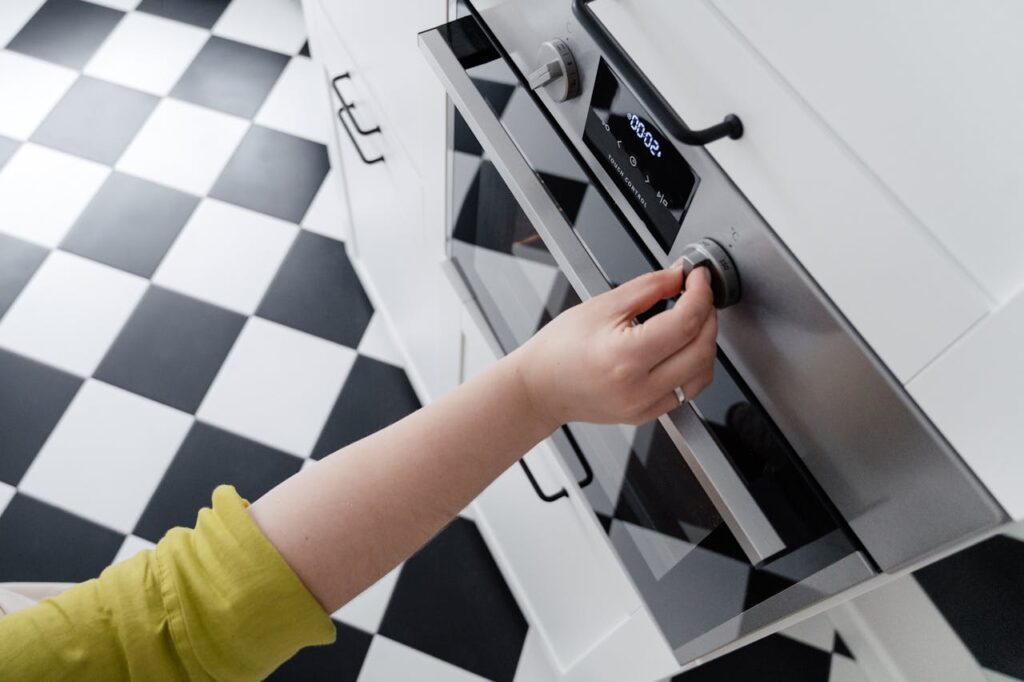
Gas ovens can reach target sourdough temperatures quickly, but precise electric models waste less heat ramping up and benefit from digital controls. Look for models that specify low standby losses or rapid cooldowns.
Modern energy efficient ovens advertise True Convection or European Convection settings, which maintain airflow and trim baking times. These settings keep crust development lively without running needlessly long bake cycles.
Ask retailers for energy ratings or kilowatt-hour usage details. Phrase it like: “How much energy does this model use to bake a standard sourdough?” This gives you real numbers, not just features.
| Oven Type | Batch Size Fit | Avg Energy Use | Best For |
|---|---|---|---|
| Countertop Convection | 1–2 loaves | 0.8–1.2 kWh/bake | Small households, focused bakers |
| Wall Electric Oven | 2–4 loaves | 1.6–2.5 kWh/bake | Frequent bakers, batch baking |
| Combi Steam Oven | 1–2 loaves | 1.1–1.6 kWh/bake | Crust perfectionists, wild fermentation |
| Gas Range Oven | 2–5 loaves | ~8,300–12,000 BTU/hr | Rural bakers, natural gas homes |
| Portable Smart Oven | 1 boule | 0.6–1.0 kWh/bake | Travel, occasional artisan bakes |
Fine-Tuning Wild Fermentation Using Smart Oven Features
Making the most of energy efficient ovens means using their programmable options for wild fermentation sourdough. Dedicated sourdough bakers can blend classic techniques with new automation for realistic, time-saving results.
Features like delayed start, fermentation mode, and low-power proofing settings adapt easily into regular sourdough routines, cutting energy waste while protecting dough flavor and rise.
Applying Smart Features for Dough Control
Enable fermentation or dough proofing mode to set gentle, stable temperatures overnight. Sourdough grows best at 75–80°F, and energy efficient ovens hold these conditions without constant cycling.
- Schedule preheating to begin 30 minutes before shaping your loaves. This trims idle time and makes your baking day more precise and efficient in practice.
- Switch to convection bake for the crust phase, using 5–10 degrees lower than static bake. Crust forms quickly, and the loaf interior cooks through faster, saving power.
- Use a temperature probe when your energy efficient oven supports one. Insert into the center of the loaf and bake until it hits 208°F, so you don’t overbake or waste energy.
- Stack multiple bakes back to back, loading the oven again while it’s still hot. This leverages retained heat and lowers overall power draw during marathon sourdough weekends.
- Try steam injection only for the first 7–10 minutes, then vent the oven. This balances beautiful crust with energy savings, as extended steam cycles drain extra power.
Mastering energy efficient ovens means blending these settings into a single bake: proof, bake, crust, and finish without guesswork.
Customizing Loaf Size and Placement
Differently shaped loaves need specific spacing for maximum heat efficiency. Larger bâtards go on the bottom rack and rounds up top, so hot air circulates without one loaf shadowing another.
- Bake sandwich loaves and boules together, but rotate halfway for even browning. Schedule this routine as: “Turn at 20 minutes for best crust.” It quickly becomes habit while saving energy.
- Use reusable silicone mats or cast iron pans to help energy efficient ovens distribute heat evenly and keep surfaces clean. Avoid disposable parchment—wrapping dough in reusable liners lowers waste and cuts future spending.
- When splitting a large batch into baguettes and rounds, bake smaller shapes first so you cool the oven sooner. Mark this sequence in your recipe notebook for repeatability.
- Choose Dutch ovens or cloches that fit tightly together. They trap steam inside, mimicking commercial ovens but without long preheats. This provides artisan crust with minimal wasted electricity.
- Always cool finished bread outside the oven. This frees up your energy efficient oven for later without trapping extra heat indoors, keeping your kitchen pleasant and reducing summer air-conditioning boosts.
Customizing loaf placement turns lineup choices into big energy savings, especially across large weekend sourdough batches.
Streamlining Sourdough Baking Sessions for Lower Utility Bills
Batch prepping wild fermentation dough and planning bake timings give wild fermentation fans control over both bread quality and energy bills. This discipline grows your bread skills and trims kitchen waste.
Learning to blend refrigerator fermentation and scheduled baking runs means every wild fermentation session uses your energy efficient ovens intentionally, not on autopilot.
Optimizing Batch Schedules for Maximum Output
Pick a sourdough baking day and fill the oven with consecutive loaves. Use the analogy of laundry day: just as you wouldn’t run three separate loads for five shirts, don’t bake single small loaves if you can combine them.
List your bake plans for the week on a visible board. When the family says, “Can you make rolls for lunch and bread for breakfast?” batch both in one session. Stick to the plan, and the savings stack up quickly.
Reserve rest times or ambient proofing for when you’re nearby. This lets you catch the right rise, saving both overproofed dough and extra bake cycles caused by mis-timed ferments.
Minimizing Preheating and Standby Energy Use
Habitually preheating energy efficient ovens for the minimum necessary period keeps costs low. Use a digital thermometer to confirm when the baking stone or vessel reaches the right temperature before loading your sourdough.
Turn the oven off in the last five minutes if your loaves already have good color. Residual heat finishes the bake, and this small change, multiplied across a year, matters.
When handling large batches, schedule dough mixing and fermenting back-to-back. This lets you leverage a single proof and bake cycle for maximum output with less repeated oven use.
Conclusion: Reimagining Energy Use for Sourdough Success
Making energy efficient ovens a core part of wild fermentation sourdough baking rewards dedicated home bakers in taste, consistency, and real utility savings. Every feature and workflow tweak brings you closer to perfect, responsible bakes.
Take everything you’ve learned about batch planning, oven model selection, and smart feature use, and test them in your kitchen. See your utility bills fall, and your wild fermentation bread results rise. Share favorite techniques with the sourdough community for even bigger impact.
Wild fermentation, low energy—this pairing lets you nourish a sourdough tradition that’s delicious, sustainable, and fit for the future. Your next batch is waiting: start baking smarter with every loaf.
Frequently Asked Questions
- Are convection ovens better for wild fermentation sourdough?
Convection ovens circulate hot air efficiently and often bake loaves faster, which can enhance crust and crumb. Many energy efficient ovens offer convection modes to blend artisan results with energy savings. - How do you minimize energy use when baking sourdough?
Batch baking multiple loaves together, using the minimum preheat necessary, and leveraging residual heat for finishing all lower total energy use. Energy efficient ovens support precise controls for each phase to help trim utility bills. - What features should I prioritize in an energy efficient oven for sourdough?
Look for proofing settings, programmable timers, steam injection, and solid oven insulation. Quick preheat functions and the ability to hold steady fermentation temperatures are also crucial for wild fermentation routines. - Can a small countertop oven handle wild fermentation sourdough?
Yes. Compact energy efficient ovens bake individual boules and small batards perfectly. Choose models that hit 480°F, have reliable heat retention, and tightly seal steam. Plan your bakes to fit your schedule and batch needs. - Do Dutch ovens and cloches reduce oven energy for sourdough?
Using a Dutch oven or bread cloche creates a contained, steamy environment inside the oven, allowing you to skip prolonged preheating or whole-oven steam. This yields artisan crust and moist crumb without extra energy use.