Creating a weekly bread baking routine might sound ambitious, but small, practical shifts in organizing kitchen tools and workflow can make wild sourdough bakes feel second nature.
Organizing kitchen counters and storage areas gives each tool, starter, and ingredient a designated home, transforming potential chaos into smooth rhythmic baking—even when life feels busy or unpredictable.
Ready to bring consistency and ease to your wild fermentation sourdough adventures? Read on to discover actionable strategies and expert habits any home baker can use instantly.
Setting Up Dedicated Sourdough Prep Zones Reduces Stress and Mess
Dividing your kitchen into clear prep, mixing, fermenting, and baking zones instantly simplifies weekly bakes. Each activity has its own “home turf,” so you instinctively know where everything goes.
For wild fermentation, frequent movement between ingredients and tasks adds clutter unless you assign fixed spots. Even a small counter space or shelf—clearly labeled and tidy—saves time and keeps sourdough growing strong without accidental cross-contamination.
Qualities of an Ideal Prep Zone
An effective prep zone provides ample light and a smooth surface for working dough. Place mixing bowls and digital scales within reach, so weighing flour and water feels automatic, not a scavenger hunt.
A successful setup also keeps your bench scraper, spatula, and flour bins directly underneath or nearby for quick access during the initial mixing steps. Mounting hooks for tools cuts down on drawer searching mid-bake.
Many bakers use a small rolling cart or dedicated tray to corral tools. This strategy creates mobile organization: if you need to shift, your essential items move as a group, never getting lost in kitchen chaos.
Fermentation and Proofing Stations
Setting aside a countertop for sourdough bulk fermentation ensures stable temperatures and consistent results. Choose a spot free from drafts and direct sunlight, protecting dough from undesired rapid changes.
Configure nearby shelving to house bannetons, linen covers, and proofing boxes. Use a digital thermometer in your proofing area to spot fluctuating room temps, since even a five-degree swing affects fermentation speed.
Labeling shelves by process—“mixing,” “bulk,” “proof”—reinforces habits and acts as visual cues so every step follows the same path. Family members know not to move your retarding basket by mistake.
| Zone Name | Main Purpose | Must-Have Tools | Next Action |
|---|---|---|---|
| Prep Area | Measure, mix, knead | Bench scraper, mixing bowl, digital scale | Wipe after every use; replace tools daily |
| Fermentation Counter | Bulk rise, folding | Food-safe tub, thermometer, timer | Keep draft-free; monitor temperature |
| Proofing Station | Final rise, shaping | Banneton, linen, spray bottle | Sanitize surface; cover dough after shaping |
| Baking Zone | Scoring, baking | Scoring lame, Dutch oven, peel | Preheat oven 30 minutes before bake |
| Starter Nook | Maintain starter health | Glass jar, lid, spatula | Store away from oven heat; feed daily |
Storing Ingredients and Tools for Freshness and Efficiency
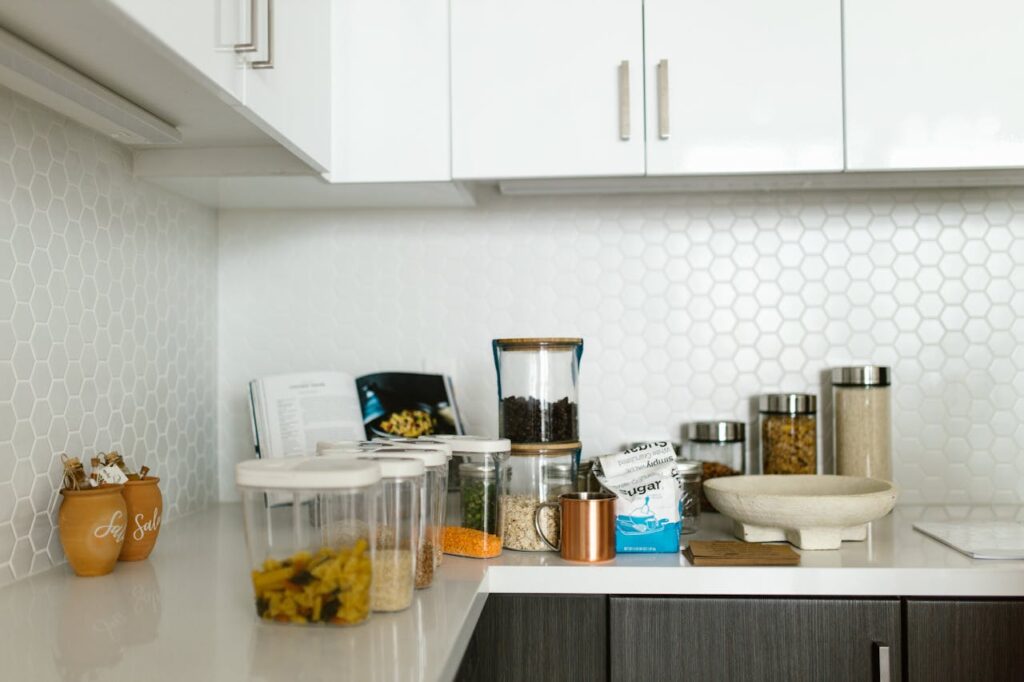
Designating containers and shelves for commonly used flour, salt, and tools guarantees nothing is misplaced or exposed to humidity—vital for wild fermentation consistency. Decanting flours keeps baking organized and helps monitor ingredient quality at a glance.
Transparent, labeled storage jars prevent bitter surprises of running out mid-mix and allow visual checks on freshness. Separate bins for bread and pastry flours help you transition between recipes seamlessly and avoid wild fermentation cross-issues.
Flour and Ingredient Replenishment Routine
Establish a visible inventory list on the pantry door: “Strong bread flour low—buy more,” or “Sea salt, on shelf two, needs refilling.” This habit stops last-minute runs and keeps wild fermentation reliable by always having core ingredients on hand.
- Refill labeled canisters weekly and rotate stock to ensure old flour gets used first, minimizing spoilage and off flavors in sourdough bread.
- Protect your starters and dry goods with airtight containers and silica packets; this guards against unwanted moisture and pests, preserving ingredient quality for wild fermentation projects.
- Separate gluten-free flours from strong wheat to prevent wild sourdough starter contamination—a must if you bake for dietary restrictions. Dedicated jars keep taste and performance on track.
- Store digital scale, dough thermometer, and scoring lame together in a labeled basket so your wild fermentation gear is ready for action, not scattered across drawers or hidden under mail.
- Post a checklist: “Have I restocked everything for my next wild fermentation sourdough?” This reduces stress before bakes and makes organizing kitchen habits stronger over time.
Organizing kitchen supplies keeps each bake smooth, reducing the friction of forgotten tools or dwindling ingredient bags, so you stay in the wild fermentation groove.
Tool Maintenance and Cleaning Sequence
After each baking session, wash and towel-dry all mixing bowls, bench scrapers, and bannetons. Immediately tidy up excess flour from proofing baskets to preserve their integrity and prevent excess buildup.
- Keep a small brush near your bannetons to swiftly knock out dried flour—no more tough scrubbing after wild fermentation doughs stick overnight.
- Dry tools thoroughly before shelving to prevent rust or mold, both threats to wild fermentation success. A designated drying rack streamlines this process, making it part of your routine.
- Set nonstick parchment, scoring tools, and lames together in a clearly labeled bin. Return each tool to its spot at the end of your bake to reinforce this organizing kitchen habit.
- Inspect Dutch ovens and bread cloches regularly. Wipe out any crumbs or residue; any lingering debris can alter wild fermentation crust quality in future bakes.
- Create a weekly deep-clean ritual: sanitize benches, vacuum cupboards, and replace shelf liners if needed—this supports wild fermentation flavor purity and overall kitchen health.
Making cleaning a habitual part of organizing kitchen efforts creates positive feedback—your sourdough routines become smoother, and tools last longer through every wild fermentation cycle.
Streamlining Your Weekly Wild Fermentation Schedule
A predictable, repeatable baking timeline—mapped clearly onto your organizing kitchen workflow—takes the guesswork out of sourdough routines and assures your starter always peaks appropriately for bread bakes.
Synchronizing feeding, mixing, and baking with your personal calendar, not just recipe steps, turns wild fermentation into a joyful weekly anchor, not another chore.
Batch Prep for Consistency
On Sunday evenings, set up all dry ingredients—flour bins topped up, salt resting alongside the measuring spoons—so you’re never tempted to rush the wild fermentation process due to missing items.
Monday, feed your starter the exact amount you’ll need for two or three bakes that week. This anticipates a midweek craving for wild sourdough without backtracking or overfeeding, which can disrupt flavor or texture.
Use a visible wall planner: mark “feed starter,” “mix day,” and “bake day”. This keeps every step of organizing kitchen routines visible, turning big, complex tasks into small, achievable actions.
Role of Routine in Reducing Kitchen Anxiety
Set your phone timer for each fermentation milestone: “Stretch and fold every 30 minutes, covered in a slightly damp towel.” Let this become your wild fermentation baking soundtrack—no mental energy wasted on clock-watching.
Post-lunch, swap parchment paper, preheat the Dutch oven, and transfer dough for its final rise. Doing these in the same order locks in organizing kitchen rhythms, so wild fermentation feels relaxing.
Use prompt cards: “Fermentation zone: Cover starter!” or “Proofing station: mist banneton linen.” Place these where your eye naturally lands during busy mornings. This trick turns wild fermentation into almost muscle memory.
Building Sustainable Baking Habits for Long-Term Wild Fermentation Success
Embracing consistent organizing kitchen practices ensures your tools, ingredients, and wild fermentation starters are always ready to work, making each weekly bake smoother and more enjoyable.
Smart storage solutions, routine cleaning, and clear work zones support wild sourdough routines even on your busiest weeks, letting you unlock new flavors and confidence in every bake.
Let organizing kitchen spaces tailor-fit your wild fermentation process—a framework anyone can adapt for lasting results and joyful, stress-free sourdough baking week after week.
Frequently Asked Questions
What’s the best way to store sourdough starters between bakes? Store your starter in a clear glass jar with a loose-fitting lid in a temperate spot away from direct sunlight. Feed it regularly, and keep the jar resting in the same labeled kitchen nook—this routine helps organizing kitchen habits stick.
How can I prevent my wild dough from sticking to proofing baskets? Lightly dust your bannetons with rice flour before each use, and store them upright on a dedicated kitchen shelf. Routine cleaning prevents excess buildup, fortifying both organizing kitchen systems and sourdough quality.
What’s an ideal temperature for sourdough fermentation? Keep dough in an area between 72°F and 78°F for robust wild fermentation. Use a simple ambient thermometer in your fermentation zone and adjust with towel drapes or heater pads if your kitchen fluctuates—this keeps your organizing kitchen plan on track.
How do I avoid cross-contamination of wild starters and other doughs? Maintain labeled, separate containers and utensils for each starter or dough type. Wash hands and clean surfaces between tasks. Structuring your organizing kitchen to separate zones is essential for preventing flavor crossover in wild fermentation projects.
How do I manage baking tools in a small kitchen? Maximize vertical space with hooks and magnetic strips for tools, and group sourdough essentials in bins or baskets. Adapt organizing kitchen workflows to your available space by committing to clear, consistent locations for each item, so wild fermentation always fits.