Picture fresh, tangy bread sliced on your counter, its aroma filling the room with deep, earthy notes. Baking with ancient grain loaves transforms a regular baking night into a flavorful journey, bringing old-world grains like Kamut and Emmer to life through wild fermentation sourdough.
Ancient varieties like Kamut and Emmer offer nutrition and flavor beyond modern wheat. Their unique qualities produce sourdough loaves with more character and health benefits, enhancing every meal from breakfast toast to hearty evening stews.
This guide gives you the confidence to explore wild fermentation sourdough with ancient grain loaves. You’ll find step-by-step advice, original comparison tables, and real-life techniques to succeed in your home kitchen.
Comparing Kamut, Emmer, and Modern Wheat in Sourdough
When baking wild fermentation sourdough, choosing the right flour shapes your loaf’s flavor, texture, and digestibility. Ancient grain loaves reliably stand out because Kamut and Emmer respond distinctively to natural leavening, yielding a heartier, richer crumb.
Notice how ancient grains absorb water, influence crust color, and bring subtle sweetness. Home bakers claim, “My Kamut loaf stays moist even after three days,” highlighting tangible results you can recreate with a wild starter and careful timing.
Identifying Characteristics in Ancient and Modern Grain Loaves
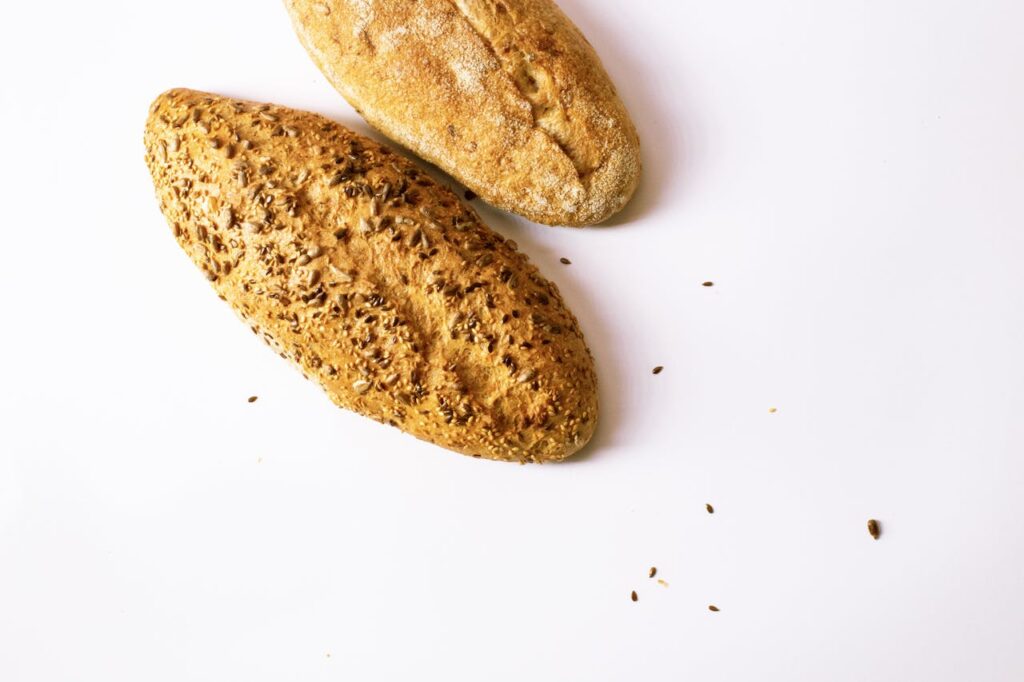
Ancient grain loaves develop a golden, almost amber hue in the bake, especially when using Kamut flour. Modern wheat, by contrast, gives a more pale and uniform color, lacking the visual warmth seen in heritage grains.
Wild fermentation further enhances subtle wheat flavors. Realistically, bakers describe Kamut’s crumb as creamy and aromatic, while Emmer’s loaf tastes robust and nutty, often supporting cheese or avocado toppings seamlessly at lunch.
Texture plays a central role. Ancient grains tend to create a denser open crumb compared to the airy structure of modern artisan loaves. This structure retains moisture and produces longer-lasting freshness for packed lunches or dinner bread baskets.
Checking Hydration and Handling for Kamut or Emmer Doughs
Kamut flour absorbs more water than standard bread flour, often requiring 8-10% additional hydration during mixing. For example, a baker stirring a sticky dough can confidently add a splash more water and mix until elastic.
Emmer dough feels tackier but holds shape well after bulk fermentation. A home baker pressing the dough with knuckles checks for a soft but springy response, signaling wild fermentation activity, not overproofing.
Adjust your mixing technique: Use gentle folds and avoid over-kneading. Visual cues are essential—a slightly glossy finish and modest bounce mean the dough is ready for shaping, not sticky or dry.
| Grain | Flavor Profile | Hydration Needs | Takeaway Tip |
|---|---|---|---|
| Kamut | Buttery, sweet | High (add +10%) | Use for moist, golden crumb loaves |
| Emmer | Nutty, robust | Medium (+5%) | Pair with savory fillings or cheese |
| Modern Wheat | Mild, neutral | Standard hydration | Reliable for sandwich breads |
| Spelt (for comparison) | Slightly sweet, earthy | Moderate | Blends well in mixed flour loaves |
| Rye (for comparison) | Sour, bold | Low | Enhances rye-sourdough blends |
Building Flavor and Structure with Wild Fermentation
Enhance your ancient grain loaves by leveraging wild fermentation’s natural rise. This method unlocks layered flavors and gives your bread subtle tang, chewy crust, and digestible crumb—qualities impossible to achieve with commercial yeast alone.
Timing matters: Letting your dough ferment for at least 12-18 hours at room temperature breeds robust microflora. Home bakers say their loaves “sing” with aroma and flavor after this patient, hands-off process.
Finding the Right Fermentation Spot at Home
The ideal spot for wild fermentation sourdough has a stable, warm temperature and protection from drafts. Many bakers use a proofer or find that a cabinet above the fridge delivers consistent results for their ancient grain loaves.
- Choose a Warm Location: Bake with ancient grain loaves in a spot between 70-75°F. This supports active wild microbes and prevents sluggish rises.
- Use a Consistent Environment: Keep your dough covered, away from open windows. Steady temperatures prevent over- or under-proofed loaves.
- Check with the Finger Dent Test: Lightly press the dough; if the dent springs back slowly, it’s proofed. This tactile cue beats guessing every time.
- Set a Fermentation Timeline: Mark your dough bowl with a band, so you see when it doubles. This visual clue signals readiness for shaping.
- Watch for Aromas and Texture: Sweet, mildly sour smells and stretchy, elastic dough tell you wild fermentation is working as it should.
Stick to these habits and you’ll consistently produce ancient grain loaves with plenty of flavor and texture, ready for shaping and baking.
Mixing Ancient Grains with Modern Flour for a Balanced Loaf
Combining Kamut or Emmer with bread flour lets you enjoy wild fermentation without sacrificing rise or crumb structure. Many bakers mix 50% ancient grain flour with 50% modern wheat flour for their daily wild sourdough.
- Weigh Ingredients Precisely: Scale each flour type for accuracy. This prevents a dense loaf and balances flavors.
- Combine in the Mixing Bowl: Gently whisk dry flours before adding water. This ensures even hydration throughout ancient grain loaves.
- Adjust Hydration as Needed: Watch for consistency; add water if dough feels dry. Never ignore your dough’s appearance and feel.
- Monitor Rise During Fermentation: Expect a slower rise with more Kamut or Emmer. Patience here results in a flavorful, even loaf.
- Finish with a Cold Proof: Refrigerate overnight for a crisp crust and tangy crumb. This makes ancient grain loaves sing at breakfast the next day.
Experiment with blending ratios until you find the perfect mix for your baking routine and preferred sandwich thickness or toast texture.
Practical Techniques for Handling Sticky Ancient Grain Doughs
Sticky dough can feel daunting, but a few practical steps streamline working with ancient grain loaves. Using simple physical techniques, your mixing experience becomes mess-free and pleasant, making wild fermentation sourdough rewarding to bake.
Practicing Gentle Folds Instead of Kneading
Ancient grain doughs, especially those with Kamut or Emmer, respond better to gentle folding than intense kneading. To start, lightly wet your hands before each fold, so the dough doesn’t stick and tear.
Lay the dough on a clean surface and gently stretch and fold each corner toward the center. Visualize tucking a blanket to keep everything contained; this strengthens the loaf’s internal structure naturally.
Repeat the fold sequence every 30 minutes during bulk fermentation for two hours. By the last round, the dough should feel smoother and sit taller, signaling readiness for shaping into a rustic wild fermentation sourdough loaf.
Flouring Surfaces and Tools Smartly
Use rice flour to dust your workbench and bannetons. Rice flour doesn’t absorb as much water from the wild fermentation sourdough dough, preventing sticking and tearing while the loaf holds its shape.
Sprinkle rice flour on the dough scraper and inside proofing baskets. Home bakers confirm this makes removing the shaped dough for baking painless, especially when working with high-hydration ancient grain loaves.
After transfer, gently shake off excess flour, then cover and finish proofing. This keeps the outer crust crisp and free of clumps, giving your ancient grain loaves an appealing, artisan finish after baking.
Shaping and Scoring for Better Oven Spring
Proper shaping guarantees your wild fermentation sourdough rises evenly and bakes up with an airy, attractive open crumb. Ancient grain loaves need supportive shaping and confident scoring to make the most of Kamut or Emmer’s unique structure.
Work quickly but gently, handling dough with firm confidence. Pull the sides inward and pinch seams tightly—like carefully wrapping a parcel—so the loaf maintains a high, round profile during the final rise.
Using a Lame for Scoring Flour-Dense Loaves
Score with a sharp lame in swift, smooth motions at a 30-degree angle. This directs oven spring upward, giving the loaf a textbook “ear” and expanding the crust for extra crunchiness.
With ancient grain loaves, make one deep central score and two side slashes if the dough feels dense. This cue helps direct steam release, keeping the interior moist but not gummy.
After baking, admire the crisp ridges and random blisters along the crust. Ancient grain loaves scored confidently look and taste like true artisan wild fermentation sourdough, winning compliments at any shared dinner table.
Finishing Touches Before the Bake
Brush off excess flour just before baking. Mist the surface with water for extra shine, or sprinkle seeds for flavor and texture variation on your ancient grain loaves.
Preheat your oven with a Dutch oven or baking stone inside to ensure maximum oven spring. Transfer dough smoothly, score quickly, and cover with the hot lid to trap steam.
Remove the lid after the first twenty minutes to set the crust and finish browning. The end result is a golden, flavorful loaf with deep wild fermentation aroma, ready to slice and share.
Reflecting on Ancient Grain Sourdough Success
Baking wild fermentation sourdough with Kamut or Emmer connects you to traditional baking roots while providing next-level nutrition and flavor. Every ancient grain loaf brings heritage and satisfaction to the kitchen, letting you explore endless variations.
Choosing ancient grains and practicing patient fermentation create distinct results—nutty, aromatic loaves with supple crumb and chewy crust. These wild-fermented breads enrich everyday meals and provide long-lasting freshness you’ll notice in every bite.
Try ancient grain loaves with wild fermentation sourdough for your next bake. Experiment with flour blends and shaping, then savor the deep flavors and pride in your home-baked creations.
Frequently Asked Questions
Why do ancient grain loaves made with wild fermentation taste different from regular sourdough?
Wild fermentation draws out nutty, buttery, or earthy notes from Kamut and Emmer that aren’t present in commercial yeast loaves. The longer fermentation improves digestibility and creates a distinct, complex aroma in every slice.
How do I store ancient grain loaves to keep them fresh?
Let the loaf cool completely, then store it cut-side down on a wooden board or in a paper bag. For longer storage, slice and freeze individual pieces, then toast as needed. This maintains moist crumb and strong flavor for days.
Can I substitute ancient grain flour 100 percent in my favorite sourdough recipe?
You can use all-Kamut or all-Emmer, but be ready for a denser crumb and a more pronounced sour flavor. Many bakers use a blend of ancient grains with bread flour for better rise and a lighter crumb in their wild fermentation sourdough.
What hydration level works best for Kamut and Emmer ancient grain loaves?
Kamut typically needs 75-80 percent hydration, while Emmer works well with around 72-75 percent. Start on the lower end, then add water in small amounts based on the dough’s texture during mixing and fermentation.
Do ancient grain loaves take longer to ferment than modern wheat?
Yes, due to their high protein and bran content, Kamut and Emmer sourdoughs may ferment more slowly. This gives you more flexibility to plan ahead and can result in richer flavors when baked at the optimal moment.