If you’ve ever watched wild fermentation sourdough transform from gloopy flour and water into a fragrant loaf, you’ve seen enzyme activity in action. It’s easy to overlook these microscopic helpers, but their impact on dough is massive.
Fermentation relies on a series of carefully timed chemical reactions. Here, enzymes break down starches, proteins, and more, guiding wild sourdough toward flavor, structure, and digestibility. Each stage, from mixing to baking, is shaped by their work.
This article explores what really happens in your wild sourdough as enzymes—like amylase and protease—do their job. Read on for practical tips, key facts, and science-backed explanations you can use at home.
Pinpointing Enzyme Activity That Drives Wild Fermentation Sourdough
Understanding which enzymes act and when helps you time your sourdough for the best texture and taste. Let’s break down the sequence, roles, and signs of key enzyme activity you can monitor.
Think of a wild fermentation sourdough as a bustling city where amylase, protease, and others each have neighborhoods to patrol and tasks to finish. Their timing impacts everything: flavor, crumb, crust, and even shelf-life.
Spotting Amylase at Work in Your Dough
Amylase kicks off the breakdown of starches into sugars. When you see bubbles or feel a softening dough, that’s clear evidence of strong amylase enzyme activity. If your dough turns sticky or has sweet aromas, it’s already busy converting flour’s complex carbs.
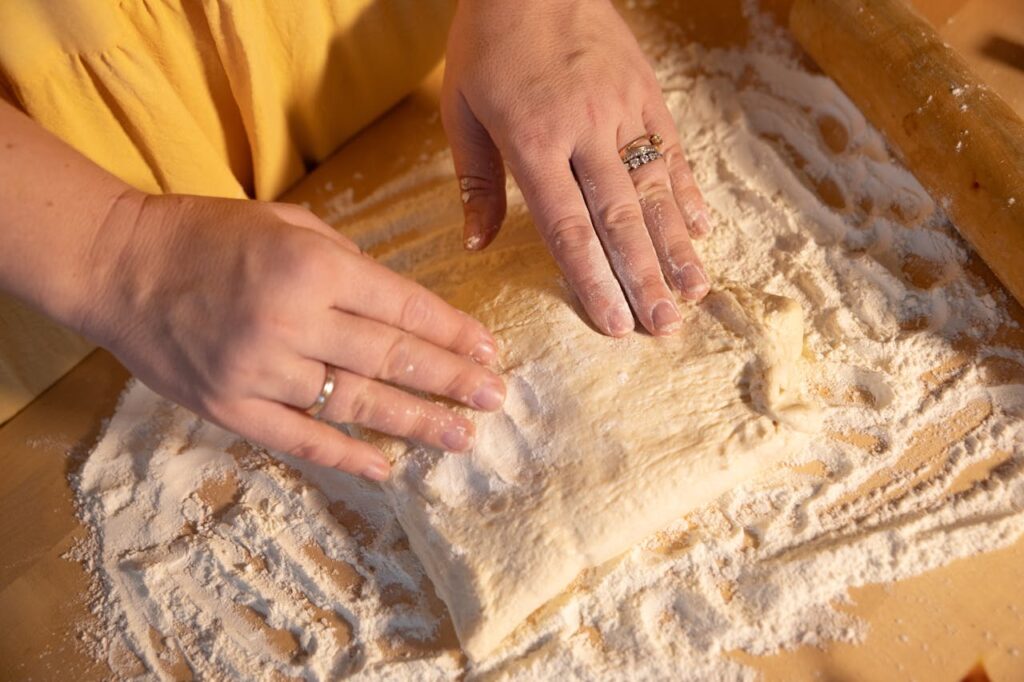
Observing early signs of amylase in wild fermentation means watching the dough’s flexibility. Gently stretch as it ferments: if it tears less and holds together, this enzyme is helping to create extensibility.
You can test amylase’s impact by pinching a bit of dough and spreading it: a softer stretch and light brown tint after proofing hint that starches have been broken down effectively.
Recognizing Protease’s Influence on Gluten Structure
Protease targets proteins, making gluten networks more pliable. In wild fermentation, this reveals itself as a silkier dough that’s easier to shape and less springy during pre-shaping and final shaping steps.
If your dough relaxes without breaking, or you see fewer tight spots when forming a boule, protease enzyme activity is in full swing. Scraps that meld back into the main dough also point to effective proteolysis.
To encourage protease in a wild fermentation, extend the bulk rise just slightly. If left too long, though, over-softening can collapse your loaf. That’s why bakers set timers to gauge the right development window.
| Enzyme | Primary Target | Fermentation Phase | Key Effect | Next Step |
|---|---|---|---|---|
| Amylase | Starches | Mixing, Bulk Ferment | Sugar Production | Feed Wild Yeast |
| Protease | Proteins | Bulk Ferment, Proof | Gluten Weakening | Shape Loaf |
| Maltase | Maltose | Bulk Ferment, Proof | Extra Sugar | Browning in Bake |
| Invertase | Sucrose | Initial Mixing | Sweetness | Flavor Boost |
| Lipase | Fats | Long Proof | Flavor Depth | Rich Aroma |
Fine-Tuning Dough Consistency With Enzyme Insights
Dialing in wild sourdough means managing the sequence and speed of enzyme activity. When you follow simple guidelines, your dough handles better, with less guesswork or stress about sticking or tearing at each step.
Start by noticing how flour absorbs water. Well-hydrated dough gives enzymes like amylase and protease full access to their targets—starch and protein. Next, tweak hydration to see subtle shifts in extensibility over each rise.
Practical Adjustments For Optimal Enzyme Balance
If your dough resists shaping, it’s time to adjust either water or fermentation time. Increased hydration allows for more enzyme activity, leading to improved dough softness and easier mixing by hand.
- Stir in extra water by the tablespoon to test dough flexibility. Added water accelerates amylase and protease work, creating a more elastic and less dense consistency in wild sourdough.
- Reduce bulk fermentation time if the dough tears or spreads excessively. Shortening rise curbs overactive enzyme breakdown, preserving overall dough strength and a more upright loaf.
- Add a short fridge rest before baking if the dough turns slack. Chilling slows enzyme speed, letting gluten realign and preventing over-softening during wild fermentation proofing.
- Gently fold dough to redistribute enzymes. Each stretch and fold boosts enzyme spread throughout the wild sourdough, balancing softness and maintaining structure until shaping time.
- Test flour brands by mixing parallel batches. Finer flours with higher protein may require more folds or water for proper enzyme activity, ensuring a consistent crumb every time.
These steps ensure enzyme activity works for you, not against you, as you develop your ideal wild fermentation loaf.
Know Your Ingredients: Impact On Enzyme Performance
Flour choice changes everything. Whole grains contain extra minerals and bran that encourage natural enzyme activity, especially helpful in wild sourdough. Bleached and ultra-processed flours may slow down key reactions, giving a denser or less flavorful result.
- Opt for unbleached, stone-milled flour. Naturally present enzymes kickstart wild fermentation and deepen complexity in the finished loaf’s flavor and texture.
- Add a small amount of sprouted flour to boost amylase. Even a spoonful can amplify sugar breakdown, resulting in lighter crumb and faster fermentation for wild sourdough.
- Choose filtered or mineral-rich water. Avoid chlorine, as it can suppress natural enzyme levels, leading to sluggish or uneven wild fermentation activity.
- Incorporate small percentages of rye. Rye is packed with unique enzymes that extend wild sourdough shelf-life and generate signature sour aromas familiar to enthusiasts.
- Test salt timing. Mixing salt after autolyse protects enzyme activity, softening dough for easier handling and ensuring reliable results in every wild sourdough batch.
Ingredient choices aren’t just flavor tweaks—they modulate the pace and efficiency of every fermentation reaction inside your dough.
Tracking and Guiding Natural Enzyme Progression In Real Time
Bakers can spot enzyme activity in wild fermentation sourdough by observing dough changes and documenting timing. Noting texture, stretching ability, and aroma through the process turns wild fermentation into a repeatable craft, not a guessing game.
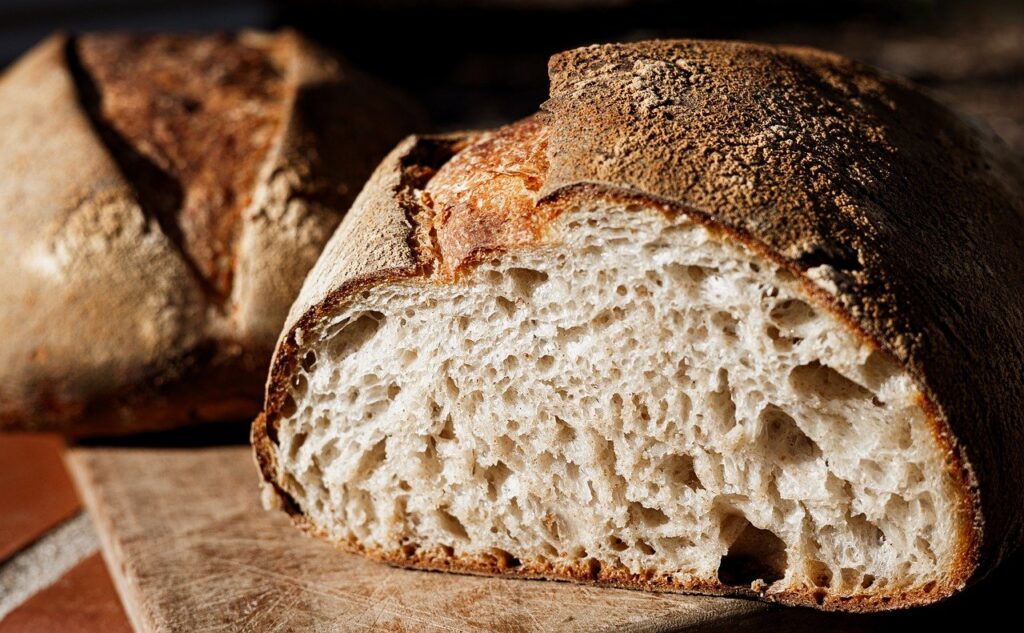
To record progress, jot down intervals for stretch-and-fold, compare photos of crumb structure, and test the poke-back method at proof’s end. Each step reveals distinct enzyme-driven signals you can rely on.
Hands-On Clues That Signal Enzyme Success
Supple dough that passes the windowpane test shows steady enzyme activity from both amylase and protease. Gluten stretches paper-thin without tearing, but doesn’t sag—an ideal outcome for wild fermentation.
Subtle nutty or sweet aromas mean sugars from amylase are in play, while faint yogurt-like notes indicate active protease softening gluten. If dough springs slowly after prodding, fermentation has reached a balanced endpoint.
For precision, weigh dough before and after proofing. Significant swelling confirms that enzyme-managed yeast activity is strong. This data-driven approach fine-tunes wild fermentation over time, producing consistent sourdough bakes.
Small Adjustments With Big Effects on Crumb and Flavor
A two-hour difference in bulk rise can alter everything. An overactive amylase leaves dense, gummy crumb. Slightly cooler temperatures slow enzyme action and yield airy, open structures—a favorite among wild sourdough fans.
Listen for sticky sounds as you stretch: too much protease and the dough sounds and feels tacky, meaning it’s time to shape or chill. If crumb has dry, tight pockets, extend autolyse or bulk to allow more enzyme work.
Test alternating rest times for small batches. A slightly longer autolyse increases enzyme activity, delivering moister, more aromatic wild fermentation loaves sought after by artisan bakers worldwide.
The Transformative Power of Enzyme Activity in Wild Fermentation Sourdough
Timing and balancing different enzyme activities determines wild sourdough success. Amylase, protease, and their enzymatic cousins reveal themselves in the stretch, aroma, and flavor of your finished loaf.
Wild fermentation rewards those who notice, record, and react to small changes at every stage. When enzyme activity is tuned just right, the results are consistent crumb, lasting freshness, and flavor depth you can’t buy in stores.
Whether baking your hundredth loaf or first, keep experimenting and logging each batch. The more you sync up with the rhythm of enzyme activity, the more your wild fermentation bakes will reward you.
Frequently Asked Questions
What is enzyme activity and why is it vital for wild sourdough?
Enzyme activity involves natural proteins breaking down starches and proteins in dough. This drives the development of classic wild sourdough flavors, textures, and crumb structure without additives.
How can I tell enzyme activity is happening in my wild fermentation?
Watch for dough changes: increased softness, bubbles, stretchy texture, and sweeter or tangier smells. These indicate enzymes are rapidly transforming your sourdough’s starch and protein content.
What happens if enzyme activity is too high in my sourdough?
Overactive enzymes break down structure, resulting in a sticky, slack dough and a dense or gummy loaf. Cooler temperatures and shorter ferments slow enzyme pace for better balance.
Do different flours have different enzyme profiles?
Yes—whole grain, rye, or sprouted flours bring more active enzymes, hastening fermentation. Highly processed or bleached flours have fewer enzymes, which slows down sourdough’s natural rising and flavor development.
Can I control enzyme activity for different baking goals?
Absolutely. Experiment by adjusting hydration, bulk time, and ingredient type. Record results in a notebook. This helps match enzyme activity to the texture and flavor you want from your wild fermentation sourdough.