
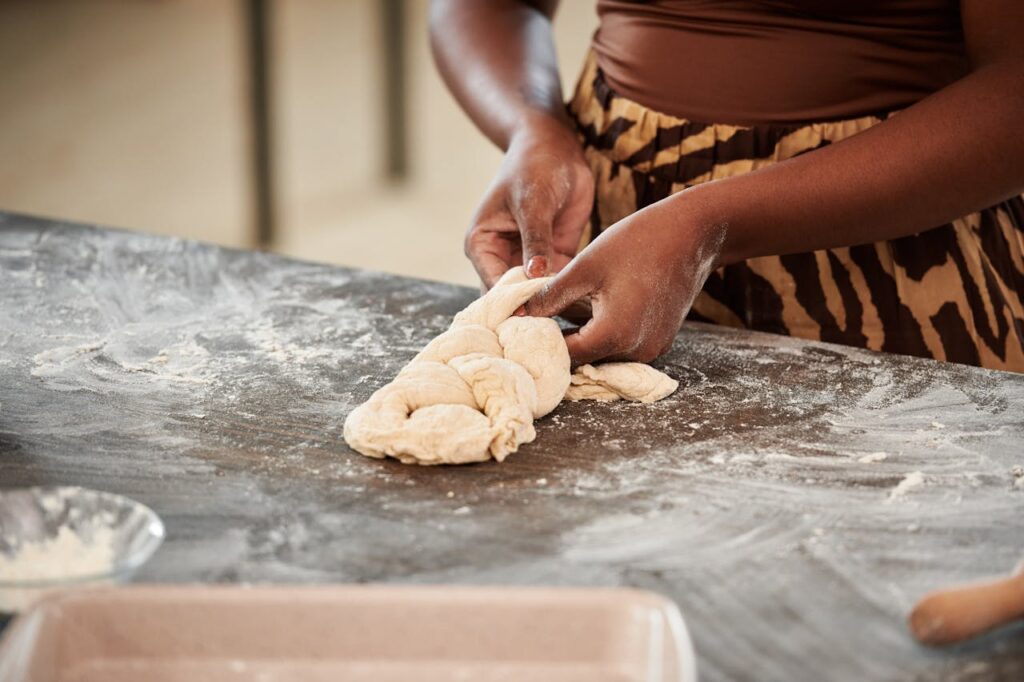
Picture slicing into wild fermented sourdough, its tangy aroma mingling with savory whispers from thoughtfully chosen herbs and spices—a deeply satisfying multisensory moment in every kitchen.
Wild fermentation leans on natural sourdough starters, but the addition of herbs and spices transforms both the baking process and the final loaf. Each ingredient shapes flavor, aroma, and even crumb structure.
This article guides home bakers and bread enthusiasts to confidently experiment, showing how herbs and spices bring out the best in wild fermented doughs, every single time you bake.
Choosing the Right Herbs and Spices for Flavorful Wild Sourdough
Make your wild sourdough truly memorable by selecting herbs and spices that complement its tang and complexity. Use fresh or dried forms, and blend flavors according to the result you’re after.
Every variety—whether basil, cumin, or rosemary—adds something different. Balance is key: subtle herbs elevate mild loaves while robust spices stand out in heartier breads.
Pairing Classic Herbs for Subtle Layers
Blend thyme, sage, or parsley into dough for a nuanced herbal note rather than a sharp burst. Stir chopped fresh herbs gently into the last mixing stage before bulk fermentation.
Classic pairings, like dill with rye or chives with whole wheat, offer reliable, familiar flavors. When combined thoughtfully, they mellow the tang and enhance the bread’s fragrance as it ferments.
If you’re following a favorite wild fermentation recipe, sprinkle herbs right after the first stretch and fold. That way, the distribution stays even without bruising delicate leaves or stems.
Using Bold Spices for Distinctive Aromatics
Coriander seeds, caraway, and cracked black pepper turn a wild dough into a bakery-worthy loaf. Toast whole spices first for richer aroma, then crush and blend them in at the final knead.
It’s best to keep spice level moderate—1-2 teaspoons for a standard loaf—so fermentation remains balanced and complex. Try fennel with rye or cumin with einkorn for extra personality.
Bakers looking to upgrade their favorite sourdough can add pre-ground blends (like za’atar or curry) at a rate no more than 2% by dough weight, adjusting to taste as confidence grows.
| Herb/Spice | Recommended Bread Pairing | Prep Method | Takeaway Tip |
|---|---|---|---|
| Rosemary | White sourdough | Chop fresh; add at last mix | Use sparingly; it can overpower |
| Coriander Seed | Rye | Lightly crush; toast seeds | Add bold flavor with crunch |
| Thyme | Whole wheat | Strip from stems; chop | Blends well with mild doughs |
| Fennel | Multigrain | Use whole; toast lightly | Pairs with sweet and savory |
| Black Pepper | Country loaf | Coarsely grind | Lends gentle heat and bite |
Methods for Mixing Herbs and Spices into Doughs
Incorporating herbs and spices with an even hand ensures no overly intense bites or patchy distribution. The exact method shapes how flavors bloom through the crumb and crust.
Mix-ins work best at different stages depending on texture. Ground spices integrate earlier; whole or fragile herbs add closer to the first fold. This small adjustment leads to a harmonious bake.
Mixing Herbs During Autolyse
For ground herbs and spices, blend them with flour during the autolyse stage. This distributes flavor before gluten develops and avoids uneven pockets. Your bread rises more predictably.
- Weigh herbs and spices with dry ingredients; this keeps measurements accurate and reproducible.
- Whisk together flour, water, and spices before adding starter; the mix becomes uniform with less effort.
- Let autolyse rest as usual, then proceed to kneading; flavors infuse gently and evenly in each layer.
- Notice the color and smell at this early stage; adjust amounts next bake if you want more or less impact.
- Don’t add fresh herbs yet—reserve them for the next step to avoid overworking delicate greens.
This simple timing trick gives your bread consistent flavor and prevents clumping of spices or burning of herbs in the finished crumb.
Incorporating Fresh or Large Pieces During Stretch and Fold
Add fresh herbs or coarsely chopped spices after the first rest. Scatter them on top, then perform a stretch and fold to layer the greens without crushing them.
- Sprinkle evenly to avoid large pockets of flavor; use a light hand rather than dumping all at once.
- Perform one or two gentle folds; overworking can crush herbs and turn bread green.
- Press pieces that don’t stick with damp fingers or a scraper; this keeps everything within the dough, not on top.
- Finish shaping gently; visible flecks of herbs look more appealing once baked.
- Track rise and dough strength; if texture changes, adjust hydration or proof time next time.
This approach locks in visual contrast and aroma—every slice reveals flecks and swirls for both flavor and curb appeal.
Balancing Fermentation, Hydration, and Flavor Additions
When using wild fermentation, herbs and spices interact with hydration and fermentation time, requiring slight tweaks. This balance lets both the dough and flavorings shine in the final bread.
Think of dough as a sponge. If you overload it with dry herbs, hydration drops, so you might add extra water. Some spices can also slow wild fermentation, stretching proof time.
Adjusting for Extra Absorbency
When adding dried herbs and spices, increase the hydration by 1 or 2 percent. This keeps the crumb light and prevents the dough from feeling stiff or dry after mixing.
If dough feels tacky, let it rest an extra 10–15 minutes before shaping. Observe how hydrated flecks look in the crumb after baking. Next time, adjust water in small increments for consistency.
This doesn’t just help texture; it lets the aroma of herbs and spices release fully during the bake, too.
Monitoring Wild Fermentation Speed
Some herbs and spices—like cinnamon or garlic—contain natural oils or compounds that can slow fermentation. It’s smart to note how dough behaves after adding new blends.
Keep notes in your baking log: jot down how long bulk fermentation took and if dough strength changed. If bulk runs slow, extend rise at cool room temperature rather than adding more starter.
This preserves wild sourdough’s open crumb and structure, even with extra ingredients present.
Highlighting Best Practices for Handling Herbs and Spices
Consistency and care in handling herbs and spices make wild sourdough more reliable. Take easy, actionable steps for every bake, and results improve every time.
You don’t need elaborate gear. Just choose the right prep for each addition—chop, toast, or grind—and pay close attention to how much you use for a balanced profile.
Prepping Whole Versus Ground Ingredients
Fresh herbs should be washed and patted dry, then chopped right before use. Dry thoroughly to prevent excess moisture and mold. Whole spices taste fresher if lightly toasted and ground just before blending in.
Store extra herbs and spices in airtight jars away from light and moisture. Label each with date and type to monitor freshness. Replace often—old ingredients lose their punch and aromatic complexity.
Think of prepping your add-ins like prepping vegetables for a salad: uniform size and freshness yield satisfying, repeatable flavors every time you bake.
Documenting Blend Results for Future Loaves
Each wild fermentation batch behaves uniquely. After baking, jot down strengths, aromas, and what worked best. Record quantity, hydration, and baking temperature for easy recall next bake.
Sketch crumb structure or rate crust aroma, and keep samples of favorite blends taped to your kitchen journal. This habit builds a personal reference library for future wild sourdough experiments.
Learning from each batch sets a practical pathway toward better results, more flavor, and less waste—one loaf at a time.
Creative Combinations: Recipes and Ratios That Pop
Explore dynamic blends to discover what brings out the best in your wild sourdough. Focus on flavor harmony, not just novelty, so every loaf tells its own culinary story.
Start with small measures for gentle hints, or combine robust flavors in complementary ratios. Here are tried-and-tested mixes with starting points tailored for wild fermentation success:
Warm and Savory Inspiration
Blend rosemary and thyme for a Mediterranean touch in white sourdough. Use 1 tablespoon total fresh herbs per 500 grams flour. Sprinkle in black pepper to boost depth—just 1/2 teaspoon gives gentle heat without dominating.
For whole grain, pair nigella seeds with toasted fennel, using 1–2 teaspoons each. This combo matches earthiness with aromatic punch while keeping hydration and fermentation in check.
Try coriander seeds with orange zest for an aromatic rye; use 2 teaspoons coriander to 1 teaspoon zest, added together during the final fold for even distribution.
Sweet and Fragrant Twists
Cinnamon, cardamom, and a hint of ground star anise transform wild fermented dough into a weekend breakfast loaf. Add up to 1 teaspoon total spice per 500 grams flour.
For a gentle, floral note, infuse dough with finely chopped lavender and a splash of honey (no more than 1/2 teaspoon and 15 grams, respectively). Adjust hydration if dough gets sticky from honey.
Lemon verbena blended with thyme works in spring bakes; use a light hand, under 1 tablespoon herbs, so the delicate aromas support rather than overpower the sourdough base.
Conclusion: Elevate Each Bake with Confident Flavor Choices
By following these concrete techniques, every wild fermented sourdough you create with herbs and spices will burst with balanced flavor, distinctive aromas, and lasting freshness.
Bringing herbs and spices into wild fermentation builds both your culinary confidence and a more personalized repertoire. Each carefully chosen blend deepens your understanding and satisfaction with every bake.
Let this approach inspire you to take small steps, document your results, and continually refine your own herb-and-spice wild sourdough loaves, sharing new favorites with your kitchen community.
Frequently Asked Questions
How do I prevent bitterness when adding herbs and spices to wild fermented doughs?
Use fresh, high-quality ingredients and small quantities. Toast and grind spices as needed, and avoid over-mixing or over-fermenting with strong flavors which might intensify unwanted notes.
When is the best time to add herbs and spices during wild sourdough preparation?
Mix ground spices with flour before autolyse; add fresh herbs or large pieces during the first stretch and fold to preserve aromas, color, and even distribution.
Can some herbs or spices slow wild fermentation?
Yes, certain oils and compounds in spices like cinnamon or garlic can reduce fermentation speed. Monitor rise time, and let the dough ferment longer at cool room temperature if necessary.
Will using herbs and spices affect sourdough crumb or hydration?
Dried herbs and ground spices will absorb extra water, so increase dough hydration slightly. Watch for consistency; the crumb should stay open and tender if hydration is adjusted accordingly.
What are useful starter blends for beginners using herbs and spices?
Try rosemary and black pepper for white sourdough, or caraway and poppy in rye. Start with 1–2 teaspoons per loaf to gauge how your palate responds before adjusting amounts next time.