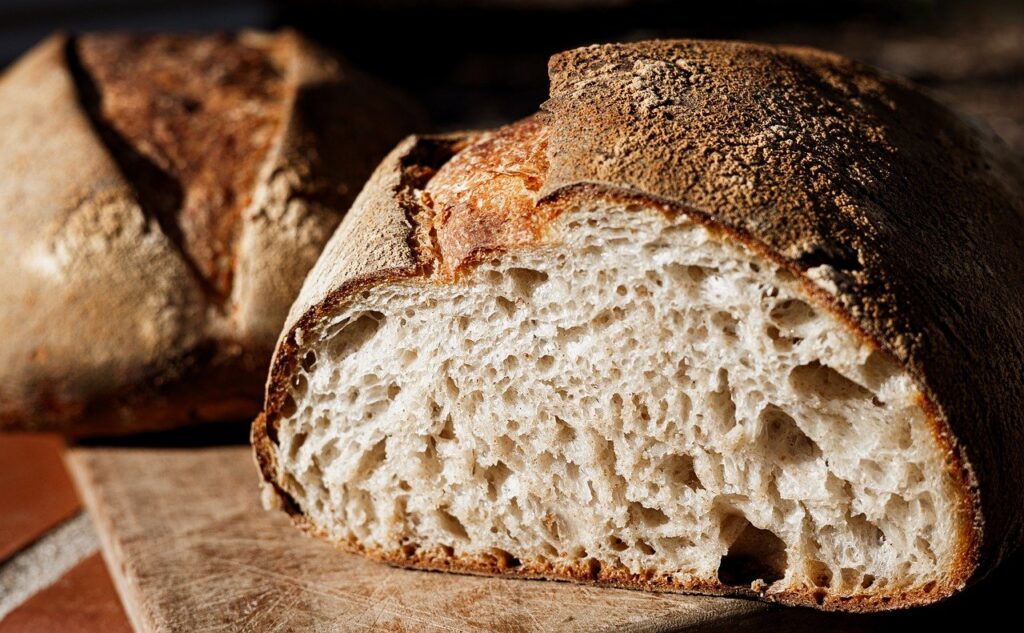
If you’ve ever torn into a loaf of wild sourdough, you’ve felt that chewy stretch between your fingers and teeth—gluten development at its most delicious. It’s not just about texture, though. The way gluten develops during natural fermentation influences everything from the bread’s structure to its digestibility.
Baking with wild fermentation sourdough means harnessing invisible teams of yeast and bacteria, letting them go to work on your dough. This process shapes gluten development in distinct, flavor-packed ways that commercial bakers find hard to replicate.
Learning what actually happens to gluten during slow, natural fermentation unlocks better bread and greater confidence in your kitchen. This article dives into every step, from starter to stretch, revealing why wild sourdough earns its growing reputation.
Dough Texture Shifts: Tracking Gluten Development in Wild Sourdough
You’ll feel the dough change beneath your hands as gluten development takes hold. With natural fermentation, the structure forms progressively, giving you feedback at every stage.
Initial mixing hydrates the flour, starting gluten bonds that you can stretch and fold. The longer you wait, the more these bonds align and strengthen, especially with help from wild yeast and friendly bacteria.
Using Gentle Kneading for Maximum Gluten Strength
If you use gentle kneading, gluten strands stretch without tearing. This stretches the dough’s matrix, letting gasses from fermentation bubble into a strong, open crumb. Imagine pulling warm taffy: slow, steady tension creates resilience.
This hands-off approach contrasts with aggressive kneading, which can tear gluten strands. When you use stretch-and-fold by hand, you let gluten development happen naturally alongside fermentation activity, which minimizes the risk of overworking your dough.
Bakers see the difference in the windowpane test. A well-developed dough from wild fermentation will stretch thin without ripping, showing translucent gluten webbing. If you skip gentle kneading, the dough remains dense and cracks rather than stretching smoothly.
Fermentation Timing: When to Wait, When to Act
Allowing a long, slow fermentation means wild microbes have time to break down and reorganize gluten networks. This changes not just texture, but the flavor profile and digestibility of your bread as well.
Pacing the fermentation is like stretching out an early morning. If you rush it, gluten holds less gas, and the crumb tightens. Let the dough relax, and you get both open structure and richer, tangier flavors.
Try this: Mix dough in the evening, then let it ferment overnight in a cool kitchen. In the morning, notice the silkiness and tension in the dough—hallmarks of strong gluten development and wild microbial magic.
| Step | What to Observe | Microbial Impact | Takeaway |
|---|---|---|---|
| Mixing | Dough comes together, slight stickiness | Yeast wakes up, bacteria dormant | Hydrate fully; start gluten development |
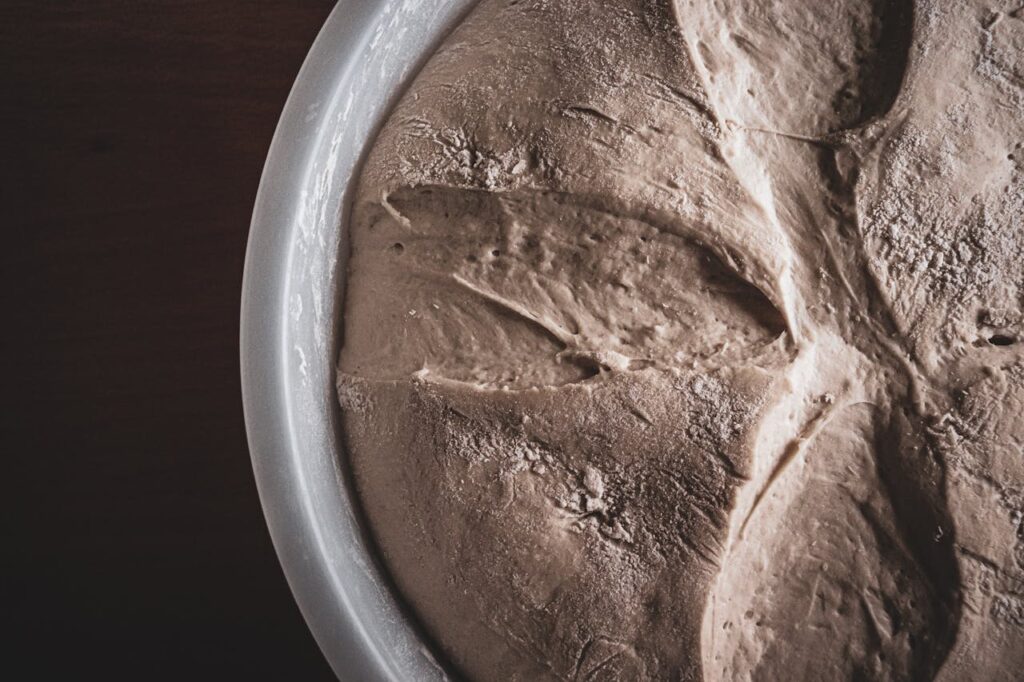
| Bulk Ferment | Dough grows in size, softens | Yeast produces CO2, bacteria produce acids | Stretch every 30–60 min; gluten grows stronger |
| Shaping | Surface smooths, more elastic feel | Microbes slow, gluten mature | Create tension; don’t tear the dough |
| Final Proof | Dough jiggles, holds shape | Acids peak, yeast slows | Score and bake at peak rise |
| Bake | Oven spring, crust forms | Heat locks gluten, flavor deepens | Use steam for maximum rise and sheen |
Flavor and Nutritional Benefits: Gluten Development’s Role in Sourdough
Wild sourdough’s gluten development delivers more than just texture profiles. The process actively unlocks nutrients and complex flavors through fermentation, giving loaves their signature tang and depth.
As yeast and bacteria ferment, they transform wheat’s starches and proteins, releasing amino acids and breaking down phytic acid. This makes nutrients easier to absorb and flavors more pronounced, especially when gluten has had lots of time to develop.
Sourdough for Sensitive Stomachs
If you find supermarket bread tough to digest, wild sourdough offers relief. Long gluten development means proteins and carbs are partially pre-digested, making sourdough easier on many people’s stomachs.
- Choose long bulk fermentations: Offers time for gluten to break down, which can reduce common discomfort.
- Let dough proof in cool spaces: Slows fermentation, allowing beneficial microbes to complete their work.
- Use whole grain flour: Increases fiber, making bread both filling and gentle on digestion.
- Opt for minimal mixing: Reduces overworking, keeps gluten stretches long and smooth, supporting both texture and digestibility.
- Watch for open crumb: Indicates gluten meshwork held up, paired with natural fermentation’s benefits for gut comfort and flavor.
Sourdough’s digestibility relies on wild fermentation working together with gluten development. Together, they redefine bread’s role in your diet.
Maximizing Sourdough’s Nutritional Profile
Eating wild sourdough isn’t just about taste or comfort—it’s nutritious. Gluten development through fermentation boosts mineral and vitamin availability, especially those naturally found in whole grains.
- Combine wild starter with whole wheat flour: Elevates magnesium and zinc, improves bread’s nutrient density.
- Allow for complete autolyse: Gives gluten time to begin breaking bonds, which helps minerals become more bioavailable.
- Balance acid production and gluten strength: Achieves optimal pH for both flavor and nutrition presences.
- Keep fermentation slow and steady: Guarantees yeast and bacteria unlock as many micronutrients as possible from the flour.
- Slice bread only after cooling: Prevents vitamin loss and maintains texture, reflecting wild fermentation’s improvements throughout.
Natural fermentation and gluten development don’t just add stretch—they transform wild sourdough into a bread that nourishes and delights.
Microbe Dynamics: Coordinating Wild Yeast and Lactic Bacteria for Gluten
Bakers using wild fermentation sourdough see a dance between wild yeasts and lactic acid bacteria, shaping both texture and gluten development in each loaf.
Each group of microbes brings its own strengths to the table: wild yeasts leaven the dough and build crucial CO2 bubbles, while lactic acid bacteria modulate acidity and subtly alter gluten’s chemistry.
Wild Yeast Leavening and Gas Production
During bulk fermentation, wild yeasts feed on flour sugars, rapidly multiplying and releasing carbon dioxide. You’ll see bubbles forming, stretching gluten strands and creating the open crumb signature to wild sourdough.
To cultivate robust wild yeast activity, try feeding your starter daily with equal parts flour and water. Look for a sweet, slightly acidic aroma and lots of bubble formation—these signal readiness for gluten development and fermentation success.
Wild yeast types, like Saccharomyces cerevisiae, behave less predictably than their commercial cousins. Their slower, more inconsistent gas release benefits gluten stability when paired with thorough kneading and patient fermentation times.
Lactic Acid Bacteria: Acid Influence on Gluten Strength
Lactic acid bacteria, present alongside yeast in sourdough starters, produce both acids and mild enzymes that subtly change dough pH. This increased acidity encourages gluten to tighten and reorganize, building the structure essential for artisan bread.
If your dough feels elastic and resistant, that’s lactic acid at work. The acids prevent over-relaxation of gluten, while microbial enzymes help break gluten bonds only when needed, improving extensibility and crumb without toughening the crust.
Managing the pH of your dough by observing fermentation’s sourness can guide gluten development. For a milder crumb, use shorter fermentation. Let it go longer for more tang and a springy, chewy bite.
Structure and Stretch: Physical Signs of Perfect Gluten in Sourdough
Learning to read the dough’s signals lets bakers catch the moment when gluten development is ideal. These cues indicate timing for shaping, proofing, and baking.
A mature gluten network stretches easily while holding shape, much like a child’s balloon—soft but firm. Wait for this feel to catch the dough at its peak.
The Windowpane Test Step-by-step
Pinch off a small piece of dough and gently stretch it between your fingers. If the dough thins into a translucent sheet without tearing, gluten development is near perfect.
Sticky, tearing dough means gluten hasn’t bonded quite enough. Return it to bulk fermentation for another stretch-and-fold or rest cycle to give wild microbes more time to work.
If the stretched dough rips with jagged edges, it may be over-fermented or under-kneaded. Keeping track of these signs helps you time shaping for light, open bread structure.
Final Shaping: Building Tension and Structure
Shaping sourdough isn’t just about looks—it strengthens the gluten mesh, creating tension across the loaf. Handle dough with firm, swift motions and avoid over-flouring work surfaces.
Create a taught top by tucking edges underneath, rolling gently on the counter. This tension traps gases, giving wild fermentation sourdough its distinctive oven spring and crispy crust.
The dough should plump up into a slightly taut ball, resisting your hands just a bit. If it slumps or sags, let it rest briefly or perform another tightening turn before proofing.
Practical Sourdough Fermentation Schedules for Better Gluten Development
Dialing in fermentation times and temperatures can give home bakers control over gluten development. Timing each stage ensures wild microbes deliver taste, texture, and nutrition.
Here’s a practical timeline for success. Adjust it based on your kitchen’s conditions, but stick to the sequence so gluten development proceeds with precision and reliability.
- Mix the dough and let rest (autolyse) for 30–60 minutes: Promotes hydration and starts gluten formation.
- Knead briefly, then let ferment in a covered bowl for 4–10 hours at 68–75°F: Allows both yeast and bacteria to work, optimizing gluten development.
- Perform 2–4 stretch-and-folds during bulk fermentation: Redistribute heat, align gluten strands, reinforce mesh structure.
- Shape and perform final proof for 2–4 hours at room temp, or up to 12 hours in the fridge: Fine-tunes gluten and flavor.
- Bake with steam in a well-preheated oven: Maximizes oven spring, finalizing gluten network and crumb texture.
By using these schedules, you’ll see wild fermentation and gluten development come together as a unified process on your countertop.
Conclusion: Bringing It Together for Reliable Wild Sourdough Success
Wild fermentation sourdough offers a hands-on, flavorful way to experience gluten development in each loaf. You’ll discover new textures and flavors with every bake as you refine timing and technique.
Relying on natural fermentation fosters breads with exceptional structure, digestibility, and aroma. It’s gluten development turned into edible artistry, shaped by real microbes instead of commercial shortcuts.
Keep practicing and trusting your senses, knowing gluten development and wild microbes reward patience and curiosity. Each sourdough bake brings both learning and joy to every kitchen and table.
Frequently Asked Questions
Does wild fermentation sourdough contain less gluten than store-bought bread? Wild fermentation can reduce gluten amounts compared to commercial bread, but it does not eliminate gluten entirely. Long fermentation partially breaks down gluten, making some loaves easier to digest.
What’s the difference between wild yeast and commercial yeast for gluten development? Wild yeast and lactic bacteria in sourdough ferment slowly, encouraging gradual gluten development and deeper flavors. Commercial yeast ferments quickly and creates a different, less complex structure.
How do I tell when my gluten is developed enough during sourdough making? Use the windowpane test: stretch a small piece of dough. If it holds together thinly and translucent without tearing, gluten development is ideal for shaping and baking.
Can I over-ferment and damage gluten in wild sourdough? Yes, if the dough ferments too long, acids and enzymes break down gluten excessively, leading to slack, sticky dough and dense bread. Stick to recommended timeframes for best results.
How does hydration level affect gluten development in wild sourdough? Higher hydration encourages easier gluten network formation, resulting in an open crumb. However, too much water without enough fermentation time makes handling tricky. Adjust water and timing to match your flour and environment.