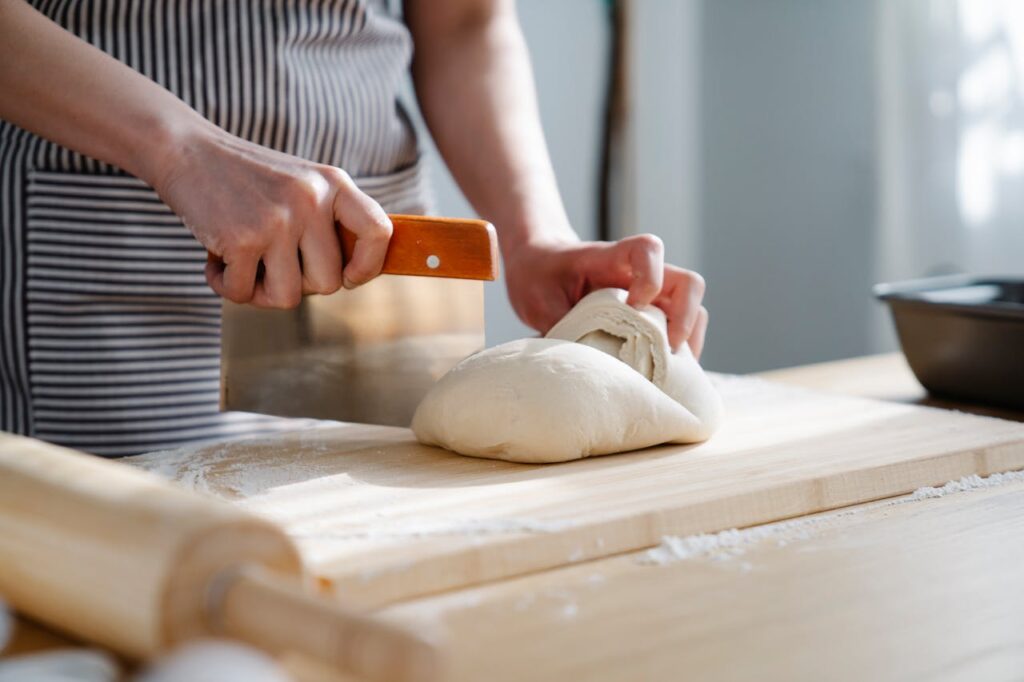
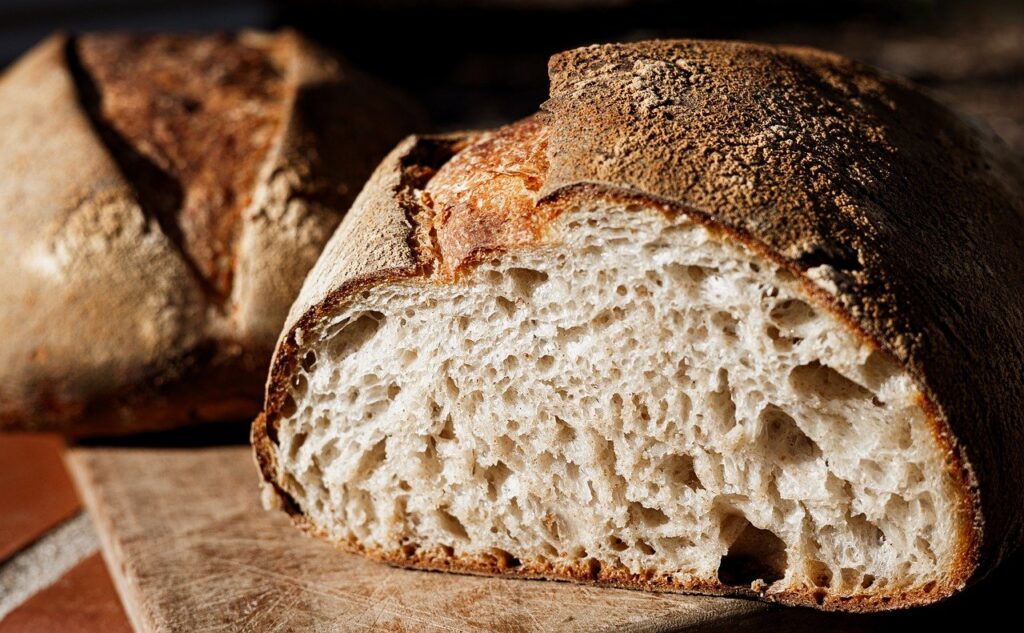
Fresh sourdough’s aroma fills kitchens, launching a craving and a curiosity. Some bread lovers talk up wild fermentation, others eye it for gut benefits—sourdough gut health enters the conversation naturally.
Long before probiotic drinks hit shelves, wild fermentation sourdough quietly worked its magic. It’s food science—yeast and bacteria in every loaf shaping unique flavors and textures while possibly supporting the digestive system.
Dive in for a deep look at the science behind wild sourdough fermentation and gut health. We’ll help you decode research, real-life results, and practical tips for baking better and feeling better.
Wild Yeast Collaboration: Real Sourdough Microbes and Your Digestion
Every wild fermentation sourdough loaf starts a new microbiome journey—yeast and lactic acid bacteria, interacting in dough, can shape your bread’s effects on gut health right from the start.
As you prepare a starter with just flour and water, native wild yeasts like Saccharomyces and bacteria including Lactobacillus multiply. Each microbe’s interplay feeds sourdough’s tang while adding complexity to your gut’s experience.
Wild Fermentation: Natural Microbial Diversity at Home
Wild yeast eat flour carbohydrates, releasing carbon dioxide and alcohol as they grow. Lactic acid bacteria supply the acidity, balancing the flavor and protecting the dough against less friendly bacteria. This natural teamwork is key for sourdough gut health.
Think of your starter as a tiny eco-system: each feeding alters the balance. Over several days, sharp smells and bubbles show a thriving culture. This living microbiome’s composition will subtly shift with your flour types and kitchen environment.
Working with your hands, you notice each starter’s difference—a reminder that sourdough gut health involves local microbial variety. If your bread surprises with new flavors, you’re tasting your unique wild yeast and bacterial mix.
Replicating Sourdough Microbiota: Realistic Home Strategies
Re-creating consistent sourdough gut health effects requires routine feeding and hygiene. Use unbleached flour, filtered water, and a glass jar. Track temperature and timing in a journal to observe microbial shifts and tweak your results.
A baker might say, “My starter’s active after 8 hours, with lots of tiny bubbles and a pleasant tang.” Each observation helps tune fermentations, sustaining specific beneficial microbes.
By protecting your starter from cross-contamination and using clean utensils, you favor good bacteria. Discarding half the starter before feeding keeps the microbial balance healthy—part art, part measured science.
| Microbial Group | Role in Fermentation | Flavors Produced | Takeaway for Gut Health |
|---|---|---|---|
| Wild Yeast (Saccharomyces) | Leavening, CO2 production | Light alcohol, mild aroma | Supports breakdown of carbs, gentle on digestion |
| Lactic Acid Bacteria | Acidification, protection | Tangy, yogurt-like | Produces postbiotics, supports healthy gut bacteria |
| Acetic Acid Bacteria | Extra acidity, preservative | Pungent, vinegary notes | May inhibit harmful microbes in the gut |
| Enzymes (Amylase, Protease) | Breaks down starches, gluten | Sweet, malty flavors | Makes nutrients more bioavailable |
| Spore-formers | Shelf-life extension | Earthy undertones | Resilient strains can persist to support gut flora |
Digestive Benefits You Can Taste and Track at Home
Eating wild fermentation sourdough gives you a way to observe digestive changes in real time—noticeable shifts in bloating, regularity, and satisfaction after meals can emerge with consistent use over weeks.
If you track sourdough gut health patterns, note your body language cues after eating: less abdominal discomfort, steadier energy, and even improved mood, thanks to the gut-brain axis’s surprising reach.
Checkpoints for Sourdough Success
Figuring out if your wild fermentation sourdough helps your digestion means watching for tangible results. Are you feeling lighter after eating? Do you notice less heaviness compared to other breads? These are key daily checkpoints.
- Swap standard bread for wild fermentation sourdough: Choose 100% naturally leavened loaves for clearer gut responses.
- Track your regularity: Notice when sourdough correlates with more comfortable digestion over time.
- Watch for subtle mood improvements: The sourdough gut health link may play out as more steady, even moods.
- Share observations with a friend: Articulating your experience can clarify patterns you might overlook solo.
- Log meal details: Write down time of day, meal composition, and follow-up sensations—data reveals what works best for you.
Digestive outcomes may take a week or more to settle. The body adjusts gradually to new fiber and fermentation products—review changes at two-week intervals for accuracy.
Fine-Tuning for Personal Microbiome Benefits
- Introduce sourdough slowly: Swap slices into one meal per day, wait 48 hours, and observe for changes.
- Monitor reaction to fiber: If feeling gassy or bloated, reduce serving size and hydrate more.
- Pair with cooked foods: Soup or roasted vegetables soften digestion, easing adaptation to wild fermentation’s effects.
- Choose whole grain sourdoughs: Fiber in whole flours fuels beneficial bacteria and can promote more robust gut diversity.
- Rotate flour sources: Use rye, spelt, and whole wheat to vary prebiotics and introduce new microbial allies with each batch.
Give your gut three to four weeks of steady sourdough exposure before deciding whether to continue the habit or adjust your recipe.
The Sourdough Digestibility Advantage: Stories From the Table
Sourdough gut health isn’t just theory—it plays out at the breakfast table. People who’ve struggled with conventional bread sometimes describe feeling comfortable after a wild fermentation slice.
Such stories offer a blueprint for experimenting safely. If you’re new to wild sourdough, start small. Notice if your usual “heavy” or “sluggish” reactions subside when you eat wild fermentation sourdough instead.
Long Ferment, Light Finish: Slow Dough, Different Results
Letting wild dough rise overnight is a common baker’s rule with gut health pay-off. The longer fermentation breaks down gluten and FODMAPs, which can make bread easier to tolerate for those with sensitivities.
It’s like letting a stew simmer—more flavors, more breakdown. Bakers report that friends with minor gluten discomfort say, “This sourdough leaves me feeling good, not weighed down.” Give your dough ample time—your belly may thank you.
To try this, mix your dough at night, leave it covered in a cool kitchen, and bake in the morning. Track how you feel and adjust timing for best results.
Sharing Loaf Experiences: Notes From Bakers
Bakers document discoveries in kitchen notebooks. One writes, “After a month of wild sourdough, I notice fewer stomach grumbles and more energy afternoons.” When sharing loaves with friends, feedback like, “Sourdough just sits better!” frequently emerges.
If you host a tasting, ask, “How do you feel after this bread compared to store loaves?” Encourage discussion on flavor notes and post-meal sensations. This feedback loop refines your approach to optimizing sourdough gut health at home.
Comparing notes with fellow bakers and eaters makes each loaf a learning step—a small group can chart new flavors and moods, always with an eye toward improvement.
Sourdough Goes Beyond Bread: Exploring Fermentation in the Diet
Wild fermentation doesn’t stop at sourdough loaves. You’ll find its gut health effects spread through other staple foods, like pancakes, crackers, and even pizza crusts, making it easy to integrate more beneficial microbes daily.
Each food offers a canvas for experimenting with flour types, fermentation methods, and timing—an ideal way to personalize sourdough gut health results with minimal change to overall meal routines.
- Whip up fermented crepes: Sourdough discard makes flavorful, tangy pancakes for a breakfast twist.
- Bake hearty whole grain crackers: Thin, crisp, wild fermentation crackers deliver both taste and gut-supportive fiber.
- Pile toppings on wild crust pizza: Layer vegetables on a 24-hour fermented base. The finished crust is gentle on digestion with maximal flavor.
- Roll out sourdough wraps: Fermented dough wraps around roasted veggies or spreads for lunchtime variety.
- Try sweet or savory muffins: Sourdough discard muffins offer subtle tang and contribute to a diverse gut microbiome.
Such swaps are easy to track. If you feel lighter after these naturally-leavened options, you’re seeing sourdough gut health benefits extending beyond traditional bread.
Bringing Microbial Science Into Your Kitchen: Observing Big Changes From Small Steps
Every time you activate a sourdough starter, you shape your kitchen’s microbiome ecosystem. The act is part science, part art, with measurable changes possible by adjusting hydration, flour blend, and environment to support beneficial wild microbes.
To maximize sourdough gut health, use temperature cues: ferment in a slightly warm corner to encourage lactic bacteria, or lower the temperature for more subtle acid notes—allow your taste and digestion to guide minor tweaks.
Feed at Consistent Intervals
Maintain a twice-daily feeding routine, matching each session to your starter’s response. If bubbly within 6 hours, your microbes are thriving; slower starters need more warmth or a flour boost. Record each trial in a simple kitchen journal for reference.
Stick with unbleached, stone-ground flours for added nutrient content and natural prebiotics. This supports both sourdough gut health and the complexity of bread flavor. Notice which flours yield the happiest, most aromatic starters.
Avoid cross-contamination by washing jars well between feedings. Small process improvements—like using boiled, cooled water—give wild populations a healthy start and minimize risk of introducing off flavors or unfriendly bacteria.
Bake With Purposeful Timelines
Flexible bulk fermentation—stretching rises up to 24 hours—softens crumb texture and mutes gluten strength for easier eating. Try shaping loaves after a long, cold proof for even more developed flavors and maximum digestibility.
Observe your dough: a well-fermented batch will feel pillowy and aerated with a delicate acidity. Use the poke test: if it springs back slowly, it’s ready for baking. Compare each finished loaf to the last for adjustments.
Share your experiments with a friend for outside feedback. Honest reactions—“This batch is more tangy,” or “I feel great after eating it”—guide ongoing tweaks, keeping sourdough gut health at the center of your daily practice.
Frequently Asked Questions
What makes wild fermentation sourdough different from commercial bread for gut health?
Wild fermentation sourdough uses naturally occurring yeast and a diversity of lactic acid bacteria. This combination produces natural acids, enzymes, and postbiotics that can promote gentler digestion and increased bioavailability of nutrients compared to commercial yeast breads.
Can people with mild gluten sensitivity eat wild fermentation sourdough?
Long-fermented wild sourdough often breaks down portions of gluten and FODMAPs, making it more tolerable for some with sensitivities. However, anyone with celiac disease must still avoid sourdough due to gluten content.
How long should I ferment sourdough to support gut health?
A 12 to 24-hour fermentation period allows lactic acid bacteria to predigest flour, increasing beneficial acids and enzymes. Longer ferments can enhance digestibility, but personal taste and texture preferences should also guide your final timing.
Do other sourdough foods, like crackers or pancakes, support gut health too?
Yes, using wild fermentation for various foods extends the potential gut-supportive benefits beyond bread. Sourdough crackers, pancakes, wraps, and pizza crusts all introduce living or fermented byproducts that can nurture a diverse gut microbiome.
What signs indicate my starter is healthy and supporting good fermentation?
A healthy wild sourdough starter shows regular bubbling, a tangy but not unpleasant aroma, and predictable doubling after feedings within 8–12 hours. These cues point to robust, balanced yeast and bacteria—cornerstones for bread supporting sourdough gut health.