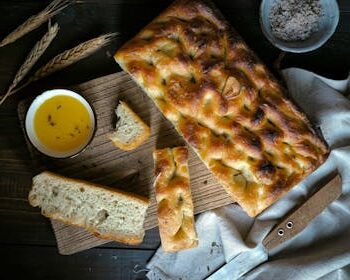
Picture the simple joy of tearing into a warm, crackling flatbread. Sandwiching wild fermentation into this everyday pleasure, sourdough flatbreads connect you to flavors as old as humanity—no matter your kitchen skills or geography.
Bread-lovers are discovering that wild-fermented dough, when used for flatbreads, offers something truly special. This approach gives each recipe a tangy depth and lively texture, making every meal more memorable.
This article will introduce you to the vibrant world of sourdough flatbreads. You’ll learn actionable techniques, discover global favorites, and see how wild fermenting leads to healthier, more satisfying bread.
Boosting Flavor and Texture with Wild Fermented Flatbreads
Choosing wild fermentation for your flatbreads means you’re not just baking—you’re nurturing dough as it grows. With just three ingredients plus time, expect flavor complexity and a gentle chew in every bite.
Think of a sourdough flatbread as a little science experiment: invisible microbes feast, bubble, and stretch gluten for that legendary wild tang and delicate, airy crumb. Once you experience this method, plain yeast breads seem bland by comparison.
Following the Basic Sourdough Flatbread Sequence
Wild fermentation starts with your natural starter: white, wheat, or even rye. Mix flour, water, and a portion of your bubbly starter until a rough dough forms. Let it rest forty minutes—this activates enzymes.
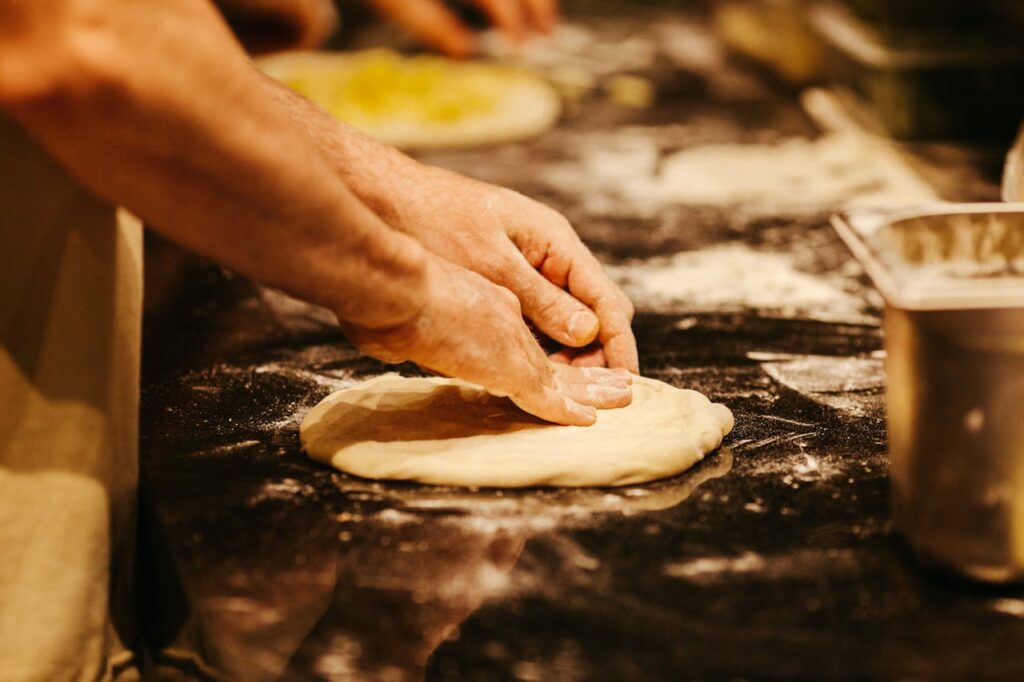
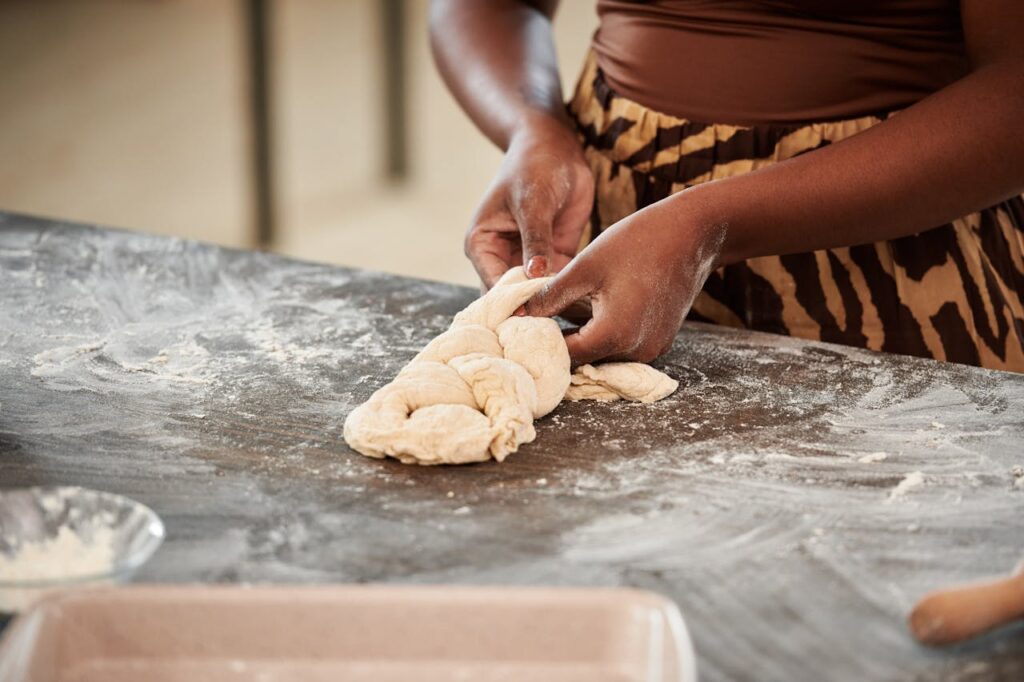
Now add salt and knead gently. Allow bulk fermentation for three to five hours at room temperature. Next, divide the dough and let it relax. Roll disks, then cook on a hot skillet just until golden brown blisters form.
At each step, check aroma and feel: tangy notes signal fermentation is working. Look for visible bubbles and elastic dough—a clear green light to proceed. When cooked, your flatbreads should have a nutty scent and puff in places.
Telltale Signs of Successful Wild Sourdough Fermentation
A lively, well-maintained starter gives off a fruity, acidic smell and nearly doubles in a few hours. If your dough becomes puffy, develops large bubbles, and feels springy, fermentation is right on track.
While working dough, watch for increased stretchiness and visible blisters on the surface. If shaping feels sticky, dust lightly with flour to prevent frustration, but avoid adding so much that you lose softness.
In a test batch, wild fermentation flatbreads develop richer flavor and lighter crumb than those with commercial yeast. Write down rise times, how your dough looked, and flavor outcomes. This habit improves results with each bake.
| Flatbread Style | Starter Hydration | Fermentation Time | Next Step for Home Bakers |
|---|---|---|---|
| Wild Naan | 100% | 3-4 hrs bulk | Test with yogurt in dough for added tenderness |
| Sourdough Roti | 75% | 2-3 hrs bulk | Roll thin, cook quickly on cast iron for best char |
| Lefse-inspired Sourdough | 80% | 4 hrs bulk, overnight cold | Incorporate potato for softness and flavor variety |
| Focaccia Piadina | 85% | 4-6 hrs bulk | Add olive oil for more open crumb and aroma |
| Classic Wild Tortilla | 60% | 3 hrs bulk | Press thin and finish on a dry skillet for flexibility |
Griddle, Oven, or Fire: Crafting Sourdough Flatbreads Three Ways
When you pick your cooking method, you transform wild sourdough flatbreads in texture and taste. The three main options—griddle, oven, or flame—each deliver unique crust, smokiness, and flexibility for everyday meals.
Trying these methods side by side, you’ll spot changes in crumb structure, chew, and even the “wow” factor when served warm. Compare and jot notes for which best fits your style.
Choosing Between Griddle and Open Flame
Cooking sourdough flatbreads on a well-preheated griddle is the simplest to control. You get a toasty, lightly charred crust with regular bubbles—perfect for roll-ups and wraps on weekdays.
- Preheat griddle 5–7 minutes before. A drop of water should sizzle, not skitter away. This ensures rapid lift and flavor from caramelized spots.
- Cook 1–2 flatbreads at once for even browning. Press gently, then flip after 45 seconds for delicate, airy blisters.
- Allow dough rounds to rest 5–10 minutes before cooking. Relaxed gluten means easier stretching and no tearing.
- For deeply-flavored wild tortillas, finish directly over a gas flame for 5 seconds per side. Watch the dough puff; this traps steam and boosts tenderness.
- Use a heavy pan lid for stacks, trapping gentle heat so flatbreads soften and stay flexible. Store in a cloth while warm for later use.
Sourdough flatbreads cooked on cast iron pick up notes of smoke, earthiness, and light sweetness from the long fermentation. Try your first test batch on a weekend for fewer distractions.
Using High-Heat Ovens for Sourdough Flatbreads
Baking at high heat mimics wood-fired traditions. Preheat stone or steel to at least 475 F for 30 minutes. This heat springs dough upward for puffed pockets, ideal for sandwiches and dipping.
- Shape disks evenly and stretch to near transparency. Thinner breads develop more blistering for layered textures and bites with more ‘chew’.
- Transfer dough with parchment or a peel to minimize sticking. Swift transfer is the secret to maximal oven spring with wild-fermented doughs.
- For pizza-like wild flatbreads, add toppings mid-bake—never before—to prevent sogginess, keeping every wild sourdough slice balanced.
- If using a Dutch oven, bake for 3–5 minutes covered, then uncover for crisp charred spots. Add rosemary or sesame for a global finish.
- Cool on a rack for five minutes before slicing. Resting develops structure and prevents gummy interiors in thicker versions of sourdough flatbreads.
Switching up baking approaches changes not just looks but also how wild yeast flavors meld with added ingredients—test both for your ideal bite.
Adding Flavor: Sourdough Flatbread Variations to Try Next
Expanding on the basics, flavoring your sourdough flatbreads brings even more fun and personality to every meal. Consider your favorite herbs, seeds, or even vegetables for color, aroma, and crunch within wild-fermented dough.
Take inspiration from global kitchens: some add za’atar, roasted garlic, chopped chives, or even mashed sweet potato. Incorporate inclusions after bulk fermentation and before dividing your dough for best distribution.
Adapting Classic Flatbreads for Wild Fermentation
Transform classics by folding wild herbs or seeds directly into rested dough. Sprinkle sesame, poppy, or sunflower seeds before shaping for reduced sticking and delightful bursts of flavor in every bite.
For sourdough naan, swirl in garlic butter after cooking hot. The wild tang stands up to rich flavors, balancing dairy and spice for comfort-food excellence.
Adapt roti or tortillas by replacing all or part of the main flour with ancient grains—spelt, einkorn, or rye—for extra wild aromas and a nutritional boost in every wild sourdough flatbread.
Pairing Flatbreads with Toppings and Meals
Imagine serving wild sourdough flatbreads as part of a mezze spread. They’re ideal for scooping hummus or fermented yogurts. The tang harmonizes beautifully with olives, pickles, and fresh greens.
Wrap leftover roasted vegetables or grilled chicken in a warm flatbread. The subtle sourness brightens savory fillings and stays soft long after baking—more so than commercial yeast versions.
For breakfast, top wild flatbreads with eggs, avocado, and a drizzle of chili oil. The natural fermentation process helps keep you feeling satisfied, thanks to higher fiber and protein levels.
Routines for Everyday Wild Sourdough Flatbread Baking
Establishing a reliable baking rhythm will help you regularly enjoy sourdough flatbreads with minimal stress. Find a routine that fits your kitchen schedule and your preferred flour blends.
For most households, a once-a-week mixing and bulk fermenting session keeps wild starters lively. Mix dough in the evening, rest overnight in the fridge, and finish flatbreads the next day.
Make-and-Freeze Approaches for Wild Flatbreads
Wild sourdough flatbreads freeze well. Once cooked and cooled, stack with parchment and seal in freezer bags. Reheat directly on a hot skillet to revive the gentle chew and wild aroma.
This approach lets you build up a stash for quick meals or entertaining. Label bags with date and style so each wild flatbread is ready for its best use: wraps, pizzas, or dipping.
For hosts, defrost 15 minutes before needed and warm through. Display flatbreads cut into wedges alongside spreads for a simple and impressive appetizer. Keep leftovers wrapped to maintain softness.
Planning Around Seasonal Ingredients
Seasonal produce and herbs shine within wild-fermented dough. Fold in green onions in spring, grilled zucchini in summer, or thin-sliced apples in autumn. Mixing these after the first rise keeps colors and flavors fresh.
Monitor dough hydration closely with wet produce: reduce water slightly to prevent sticky shaping and preserve that wild, open crumb. Use kitchen notes from previous bakes to improve accuracy each season.
Bakers who embrace seasonal changes discover new sourdough flatbreads for every month. Align your kitchen calendar with the farmers’ market or your own garden for exciting batch-after-batch results.
Wild Sourdough Flatbreads: Comparing Styles and Outcomes
Testing various regional flatbreads with wild fermentation teaches you the little differences in hydration, rolling technique, and finish that influence texture and flavor. Each style offers something special.
Wild naan uses higher hydration and yogurt for soft pockets. Sourdough tortillas benefit from a quick cook and thinner stretch. Lefse-style flatbreads mix potato for tenderness with a wild tang.
Differentiating Sourdough Flatbreads: Tasting Notes and Techniques
Tasting with friends helps highlight strengths and identify improvements. Record opinions: “This one’s bubbly and nutty,” or “Firm with smoky edges.” Adjust hydration or rest time based on feedback for tailored results.
Pair tasting notes to technique tweaks. Maybe increasing bulk ferment time enhances sourness for cheese pairings, while reducing it creates milder, kid-friendly breads. Keep a wild fermentation journal for reference.
Explore specific script-based adjustments, such as “Today I’ll use 90% hydration for a moister naan,” or “Next batch, three bulk folds at half-hour intervals to boost the open crumb in my wild roti.”
Creating a Personal Flatbread Recipe Bank
Each success or miss with wild sourdough flatbreads enriches your baking toolbox. Jot doodles, mini-reviews, or ratings to keep favorites handy.
Build your recipe bank with specifics: hydration percentages, fermentation times, flour types, and even best pairings. Over time, you’ll reference these notes for reliable, wild-fermented bakes that suit any meal.
Sharing discoveries with fellow bakers—“Try adding sumac next time,” or “Use buttermilk for extra tang”—spreads enthusiasm and keeps the wild sourdough community growing.
Bringing It Together: Lifelong Wild Sourdough Flatbread Skills
Wild sourdough flatbreads blend ancient wisdom with modern adaptability. Practicing basic mixing, shaping, and flavor adaption teaches patience, observation, and creative freedom—three cornerstones of a resilient baking routine.
Habits like starter maintenance, recording results, and seasonal variations elevate your wild fermentation work and invite regular experimentation. Community feedback and sharing amplify your growth and confidence.
Keep your eyes open for curious flavors, methods, and ingredient swaps. Wild sourdough flatbreads are your invitation to baking discovery that brings people together and adds rich flavor to every meal.
Frequently Asked Questions
What flour works best for wild sourdough flatbreads?
Try all-purpose for soft, classic flatbreads, or blend with whole grains for deeper flavor and better nutrition. Rye and spelt boost wild aroma. Adjust water as denser flours need more hydration.
Can I use refrigerated starter for flatbreads?
Yes. Feed chilled starter and let it bubble at room temperature until active, then use it in dough. For milder flavor, use less starter or a shorter ferment.
Why did my sourdough flatbreads turn out tough?
Tough texture usually means overworked, under-hydrated, or overcooked dough. Knead minimally, keep the dough soft, and cook just until golden spots appear. Rest flatbreads and keep covered until serving.
How can I make wild sourdough flatbreads ahead?
Shape and partially cook flatbreads, cool completely, and freeze in airtight stacking. Thaw at room temperature, then reheat on a skillet or over a flame to restore fresh wild tang and flexibility.
Is it safe to ferment dough overnight at room temperature?
In moderate climates, overnight room fermentation is safe for wild sourdough. In hot weather, refrigerate dough after a short initial ferment to avoid spoilage and off flavors. Always check for pleasant aroma and elasticity before baking.