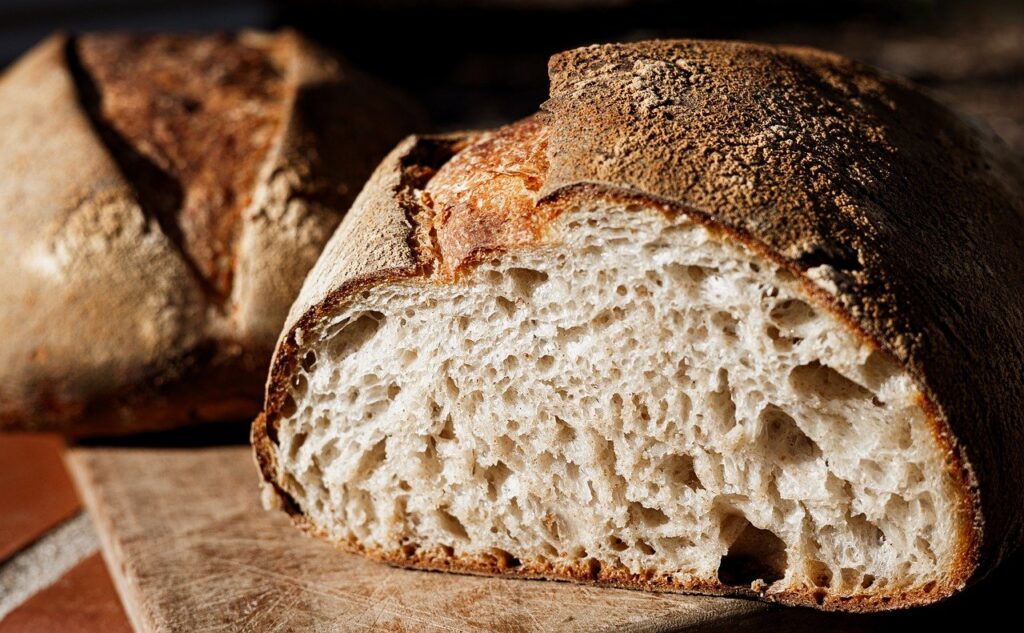
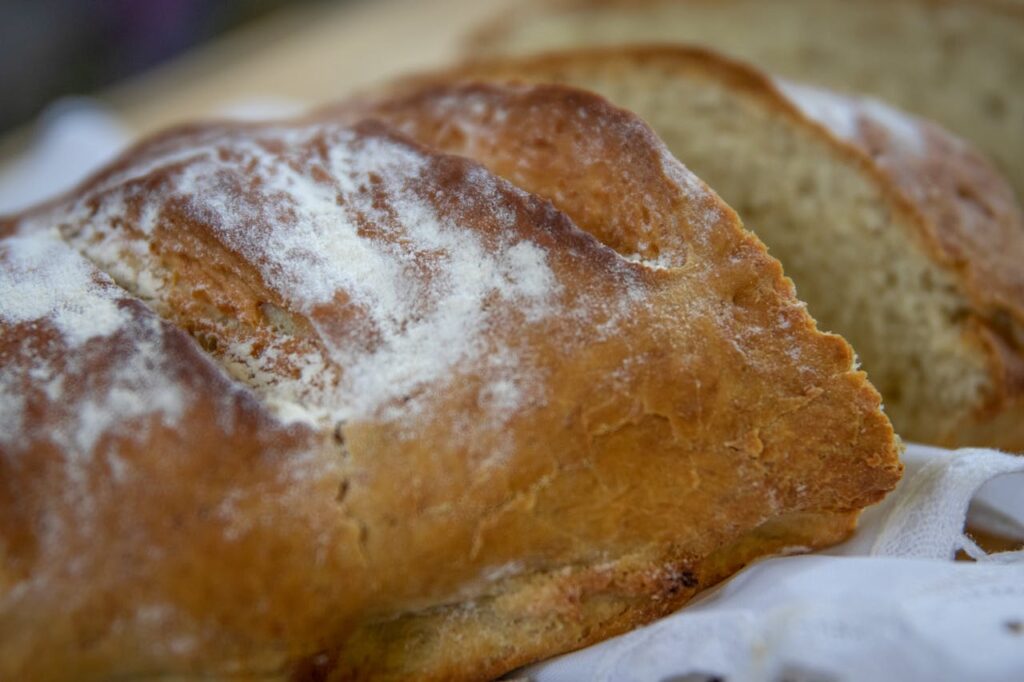
Biting into a rustic slice of wild fermented sourdough, you notice its tang and complex texture. Behind the artistry, wild fermentation directly influences the glycemic index, subtly shifting nutrition in every loaf. Enthusiasts know these changes can affect well-being in concrete, measurable ways.
Bread plays a symbolic and practical role in many diets, but not all breads support health equally. Choosing foods with a lower glycemic index can help manage energy and blood sugar throughout the day. Wild sourodugh fermentation stands out for its unique impact on both glycemic index and nutritional quality.
If you’re curious about how a wild sourdough starter transforms plain flour into something that supports healthy living, this deep dive is for you. Explore the science and everyday tips for making every slice better for your body—and your palate.
Wild Sourdough Fermentation Directly Alters Digestibility and Glycemic Index
Baking wild fermented sourdough isn’t just a creative act—it’s a practical method to lower your bread’s glycemic index. This approach uses live cultures of wild yeast and bacteria, changing the way starch and protein behave during fermentation.
As wild microorganisms grow, they break down complex carbohydrates into simpler sugars. However, the lactic acid and acetic acid produced during this process can make starch less available for quick absorption, lowering the glycemic index even before baking begins.
Sourdough Starter’s Microbial Balance Drives Starch Breakdown
When you refresh a wild sourdough starter, you’re inviting a unique mix of Lactobacillus bacteria and wild yeast to collaborate. This team digests flour over hours, turning some starches into easier-to-digest sugars.
Persistent bubbling in your starter signals robust fermentation—the bacteria and yeast are creating acids that interact with gluten and other proteins. This visible change means your future loaf is already becoming nutritionally distinct from regular bread.
Every time you feed your starter and watch it grow, you reinforce this microbial balance. Careful timing and temperature management directly influence which strains dominate, subtly altering the final glycemic index in your bread.
Long Fermentation Times Encourage Lower Glycemic Index
Extending bulk fermentation—for example, letting dough rise overnight—allows wild bacteria to further acidify the environment. Starches become more resistant, which can reduce the glycemic impact of finished bread.
During this process, dough becomes pliable but not sticky. This change tells the baker that the structure is being remade from the inside. The bread will likely support slower blood sugar rises when eaten.
When you stretch and fold your dough after a cool, long rise, you’re making the next loaf both softer and easier on your glycemic index. Record the timing you use to repeat this effect in the future.
| Fermentation Variable | Effect on Glycemic Index | Impact on Nutrition | What to Try Next |
|---|---|---|---|
| Starter Refresh Rate | Slower refresh lowers glycemic index | Improves prebiotic content | Feed starter every 24h for tang, every 12h for subtlety |
| Fermentation Time | Longer bulk reduces glycemic index | Boosts mineral availability | Let dough rise 12–16 hours at cool temps |
| Bake Temperature | Hotter bake slightly increases glycemic index | Enhances crust aroma | Bake at 450F for chewy crust or 400F for softer result |
| Hydration | Higher hydration lowers glycemic index | Softens crumb, increases digestibility | Use 75–80% water for open crumb loaves |
| Flour Type | Whole grain flour further lowers glycemic index | Increases fiber and micronutrients | Blend bread flour with rye or whole wheat (up to 50%) |
Small Adjustments in Sourdough Preparation Enhance Nutrition
Making simple tweaks during wild fermentation means you can reliably shape both flavor and the glycemic index. These adjustments unlock more nutrients and moderate blood sugar response in your final bake.
Sifting through countless sourdough recipes, pay attention to steps calling for whole grain additions or extra-long, slow rises. These details matter for nutrition, even after the loaf cools on the rack.
Choose Grains That Keep Glycemic Index Down
Opt for less refined flour—think whole wheat, rye, or spelt—when preparing your dough. The natural bran and germ slow sugar release, moderating glycemic index.
- Swap a third of white flour for whole grain to sustain fullness longer and reduce glycemic index; this change adds subtle nuttiness to crust and crumb.
- Add cracked grains or seeds like flax so the bread’s structure absorbs water during proofing; this mechanism lowers glycemic index and increases omega-3 content.
- Use freshly milled flour to retain micronutrients often lost during commercial processing; fresher grains can improve your loaf’s nutrition and structure.
- Sprinkle steel-cut oats into the dough for texture variety, which slows digestion and provides a gentle rise in blood sugar.
- Blend in sprouted grains, which introduce active enzymes, easing digestion and further lowering the glycemic index in each piece.
Tailor your flour blend based on daily energy needs. When making lunch sandwiches, try a 60/40 mix of bread to whole wheat flour for balanced nutrition.
Hydration Levels Control Texture and Digestibility
Aim for dough hydration above 75%. Higher water content makes for softer, more open crumb structures, providing moisture that helps slow the glycemic index response at mealtime.
- Weigh all water and flour, then track batch results to adjust hydration upwards if loaves seem dense; this approach can also boost mineral extraction during fermentation.
- Take notes as crumb opens up with more water; this signals easier starch breakdown, supporting lower glycemic index through improved digestibility.
- Allow dough to rest 30 minutes before kneading—this tactic, called autolyse, encourages enzymes to work on gluten, helping gentle fermentation and nutrient bioavailability.
- When dough feels sticky yet holds structure, you’ve hit the right hydration balance, leading to improved mouthfeel and slower starch absorption.
- If your region’s air is dry, cover dough with a damp towel; this keeps moisture inside and allows wild bacteria to process flour more effectively, supporting lower glycemic index goals.
Experiment with hydration during winter and summer; sometimes a five percent increase is all it takes to achieve the perfect, nutrient-rich loaf.
Everyday Bakers See Better Energy and Nutrition from Wild Fermentation
Bakers who switch to wild fermentation report steadier daily energy and a noticeable difference in satisfaction after meals. The slow breakdown of starch and proteins, along with beneficial acids, sets wild sourdough apart from commercial bread.
Wild sourdough delivers trace minerals like magnesium and zinc, unlocking nutrition that industrial yeasts and short ferments often miss. This advantage is clear when comparing bread types on a typical breakfast plate.
Steady Energy Release You Can Taste and Feel
Home bakers making wild fermented sourdough for breakfast say they feel full until lunch and avoid the rollercoaster effect of sugary snacks. That’s because the glycemic index of wild sourdough supports a gentle, extended energy curve.
“I’m not craving snacks at my desk,” one baker explained after switching recipes. This kind of practical result comes from slow starch digestion and optimized nutrition, not marketing claims.
The effect is strongest with whole grain blends, showing again that flour choice, coupled with wild fermentation, impacts both nutrition and glycemic index in real kitchens.
Reduced Gluten Sensitivity in Some Loaves
Those with mild gluten discomfort seem to notice less bloating or fatigue from long-fermented, wild sourdough. The lactic acid bacteria pre-digest some gluten and starches, making nutrients more accessible and easier on the digestive system.
By scoring and shaping dough with care, bakers ensure wild microbes thrive, resulting in bread that’s tender for sensitive eaters. This doesn’t remove gluten, but it can change how bread feels to those with minor sensitivities.
Experiment by lengthening your fermentation time and note body cues: if energy and comfort improve, keep that timeline for future bakes—your body recognizes the difference wild fermentation brings to both nutrition and glycemic index.
Glycemic Index Comparison: Wild Sourdough versus Other Breads
Choosing wild fermented sourdough is a smart move for anyone looking to control glycemic index in everyday eating. The difference becomes clear when you compare it to typical white, whole wheat, or yeast-leavened breads.
Wild sourdough’s moderate glycemic index means blood sugar stays more stable, especially relative to fluffy white sandwich loaves. With longer, cooler fermentation, even breads made from strong flour get this metabolic benefit.
Takeaway: Practical Bread Choices for Better Health
To upgrade your nutrition, swap commercially made bread for wild fermented sourdough, starting with one meal a day. The effect on glycemic index and overall energy can feel immediate—track your mood and cravings for proof.
Encourage family members to notice subtle taste and texture shifts, signaling reduced glycemic index. Even skeptics grow attached to the deep aroma and natural softness of a great sourdough slice.
When shopping or baking, ask for or aim to make bread that’s fermented for more than eight hours. A healthier glycemic index and enhanced nutrition follow this simple rule.
Diversifying Bread Types Can Support Nutrition Goals
If you’re mixing wild sourdough with other breads, use a rotation: Monday a denser rye, Thursday a lighter wheat. Each variation offers a slightly different glycemic index and set of micronutrients for a week of balanced eating.
Observe how family hunger levels and mood shift with these swaps, then fine-tune your schedule. Wild fermentation’s flexibility makes this possible without sacrificing flavor or satisfaction.
Within a month, you may notice less afternoon fatigue and steadier energy—tangible results tied directly to mindful fermentation and glycemic index control in daily choices.
Fresh Approaches to Maximizing Sourdough Nutrition at Home
Starting with wild sourdough, anyone can adopt a handful of practical habits to boost both the glycemic index benefits and nutritional payoff of their bread baking. Try incorporating these steps during your weekly routine.
Each tip focuses on easy changes that can improve overall enjoyment, appearance, and metabolic impact of your loaves, making every slice distinctly more nourishing.
- Let your dough rise in the fridge overnight for chewy, satisfying crumb and lower glycemic index. Cooler temps favor good bacteria, slowing starch breakdown.
- Add ground flax and sunflower seeds to the mix before kneading. Seeds provide healthy fat, stabilizing glycemic index through slow release of energy.
- Pre-soak grains or seeds before mixing. Hydration makes them blend better, slows sugar absorption, and boosts trace element bioavailability in finished sourdough.
- Consider a rye starter for an earthy taste—rye’s natural fiber encourages slower digestion and further reduces glycemic index in sandwiches and toast.
- Plan your baking schedule so that your starter is always active and bubbly, leading to consistent sourdough with reliable flavor and nutrient density every time.
Adopting these strategies transforms ordinary baking into a high-impact nutrition routine, grounded in traditional science and present-day kitchen practice.
Integrating Wild Sourdough into Nutrition-Focused Meal Plans
Making wild fermented sourdough part of your regular menu supports both deliberate glycemic index management and broader nutritional goals. Every step—from mixing to proofing—helps lock in benefits for your body’s day-to-day needs.
When you prepare sandwiches, croutons, or breakfast toast using wild fermented bread, you’re serving more than comfort food. The lower glycemic index lets you sustain energy, particularly when paired with fiber-rich salads or lean protein.
Meal Planning for Glycemic Balance
Pair wild sourdough with foods like avocado, turkey breast, and roasted veggies for lunch. This combination sustains focus and delays hunger—two predictable outcomes tied to sourdough’s moderate glycemic index and robust nutrition.
Wild Fermentation Creates Everyday Bread with Meaningful Glycemic Index Advantage
Eating wild fermented sourdough is more than tradition; it’s a conscious choice that strengthens energy, moderates blood sugar, and makes staple food more enjoyable. Small changes in flour, time, and temperature deliver measurable improvements in glycemic index.
Take advantage of these science-backed processes at home by extending fermentation, choosing nutrient-rich grains, and tracking results. Every loaf rewrites your daily nutrition story, one bite at a time.
When you measure glycemic index and nutrition outcomes, the true value of wild fermentation comes to life. Let each savory slice reinforce your commitment to well-being and flavor.
Frequently Asked Questions
Is wild sourdough safe for everyone to eat?
Cautiously start with small servings if you haven’t tried wild sourdough before. Most people tolerate it well. However, those with gluten intolerance or celiac disease should avoid all wheat-based sourdough, including wild fermented versions.
How can I be sure wild fermentation lowers the glycemic index?
Research consistently shows that the long, slow fermentation involved in wild sourdough preparation leads to a lower glycemic index compared to quick-rise bread. This occurs due to changes in starch structure and the action of lactic acid bacteria.
Does the crust or crumb have a different glycemic index?
The dense crust may digest slightly slower because it’s drier and more complex, but the glycemic index doesn’t drastically differ between crust and crumb. Factors like grain type and fermentation time matter more for overall impact.
Should I avoid commercial yeast if I care about glycemic index?
If you want the most moderate glycemic response, wild fermented breads are your best option thanks to enhanced starch breakdown. Commercial yeast breads rise quickly and retain higher glycemic index values by comparison.
Does freezing or toasting wild sourdough affect its nutritional value?
Freezing slices preserves wild sourdough’s nutritional benefits and glycemic index profile. Toasting may increase digestibility slightly, but it doesn’t reduce its glycemic benefits or nutrient density.