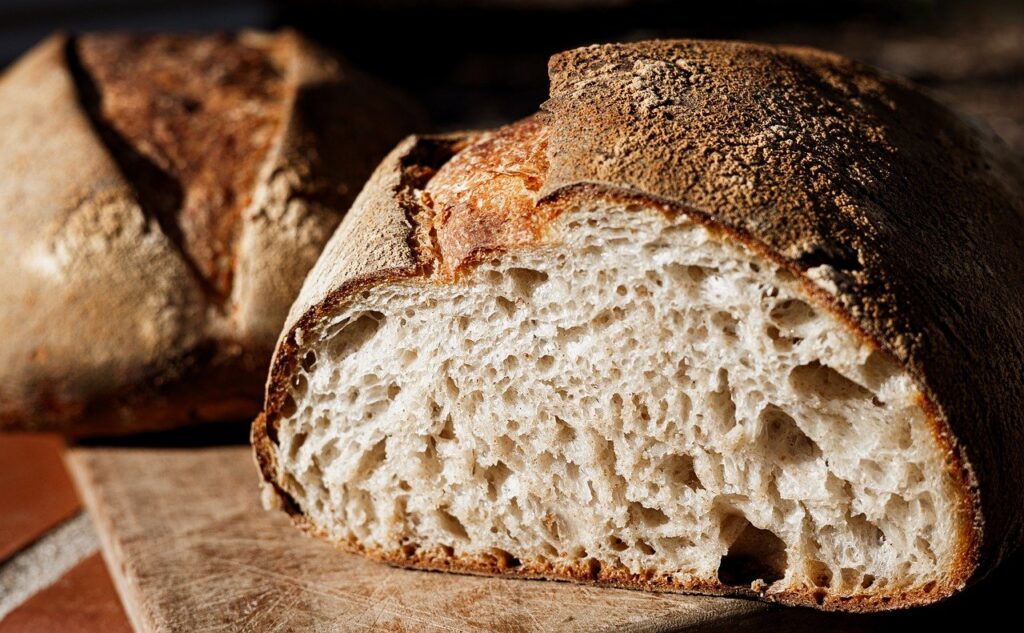
That first bite of wild-fermented sourdough, days after baking, still explodes with aroma and flavor. Ever wondered how wild sourdough bread stays fresh so much longer than regular loaves? This reliable sourdough shelf life seems almost magical, but it’s pure science at work in your own kitchen.
You get more than great taste from wild fermentations. When you understand why that classic tang lingers and how the crumb remains soft, you’ll see why sourdough shelf life makes bakers enthusiastic. Each loaf is a living example of fermentation at its best.
Let’s dig into the practical science behind wild fermentation sourdough shelf life. This article delivers what you’ll see, taste, and feel bite after bite, so you can enjoy rustic loaves at their freshest for days longer.
Recognizing the Real Impact of Wild Fermentation on Shelf Life
You can immediately boost your bread’s lifespan and texture by relying on wild fermentation instead of fast-rising yeasts. Every baker observing sourdough shelf life firsthand knows the difference after a few days.
When you use a wild starter, you introduce unique bacteria and yeasts into the dough. These microbes do much more than raise bread; they change its chemistry from the inside out.
Understanding Microbiome Diversity With ‘Wild Yeast’ Starters
Wild starters harbor dozens of yeast and bacterial species. Someone peering at a healthy, bubbly starter would notice a variety of aromas and textures—signs of robust, diverse microbial life working together.
Contrast that with commercial yeast, which functions as a single organism. Using wild fermentation means a more robust competition inside the dough, naturally suppressing spoilage microbes and extending sourdough shelf life.
If you feed your starter consistently and watch for strong fermentation activity, you’ll always have diverse, healthy cultures ready to help your bread last longer.
Acids as Natural Preservatives: Lactic vs Acetic
Lactic acid gives wild sourdough its mild tang and soft crumb. Acetic acid brings complexity along with a bright sour note and chewy crust.
These two acids, produced by lactic acid bacteria and wild yeast interactions, lower bread’s pH. That creates a hard-to-invade environment for spoilage molds, carrying sourdough shelf life beyond most breads.
Shaping your dough to encourage more acidity, especially with longer cold ferments, creates natural protection and a lasting flavor profile.
| Aspect | Wild Fermentation Sourdough | Commercial Yeast Bread | What to Do Next |
|---|---|---|---|
| Bread lifespan | 5–7 days | 2–3 days | Switch to sourdough for longer shelf life |
| Microbial diversity | High | Low | Feed starter regularly for robustness |
| pH/acidity | 3.8–4.6 | 5.2–5.5 | Use autolyse and long ferments |
| Mold resistance | Excellent | Poor | Store in breathable bread bags |
| Texture retention | Stays moist | Dries quickly | Use high hydration formula |
Acid Balance and Moisture Control for Prolonged Freshness
You can easily manage how long your sourdough loaf tastes fresh by adjusting dough acidity and keeping moisture locked in. This practical approach makes your bread last through long workweeks or small household use.
Lactic and acetic acids do more than fend off mold. They keep starches in your bread hydrated longer, impacting every bite and prolonging authentic sourdough shelf life as the crumb stays pleasantly moist.
Simple Steps to Enhance Moisture in Every Bake
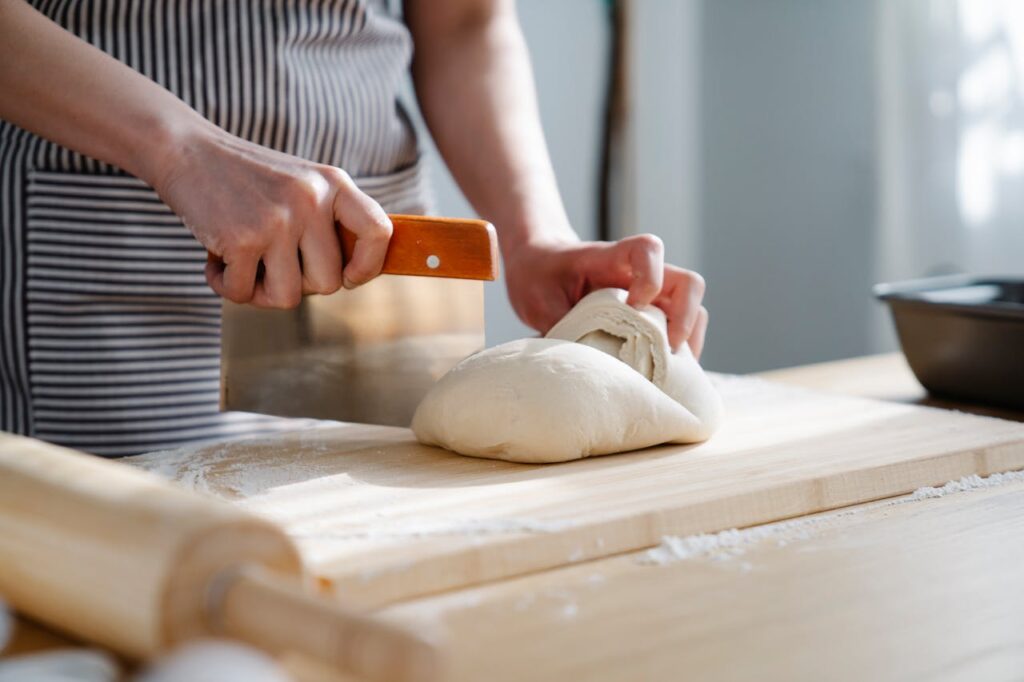
Boosting hydration in your recipe helps sourdough stay pillow-soft. Use precise water measurements and feel your dough’s texture during mixing, aiming for a tacky—not sticky—surface. This small habit makes long-lasting bread possible without special tricks.
- Mix dough at 70% hydration or higher. This means seven parts water to ten parts flour; the dough will feel soft and slightly elastic.
- Proof in a cool spot overnight if possible; the slower rise lets gluten and starches absorb water, improving sourdough shelf life by keeping the crumb moist.
- Bake in a Dutch oven for the first 20 minutes, trapping steam and locking moisture inside the crust for an extended shelf life afterward.
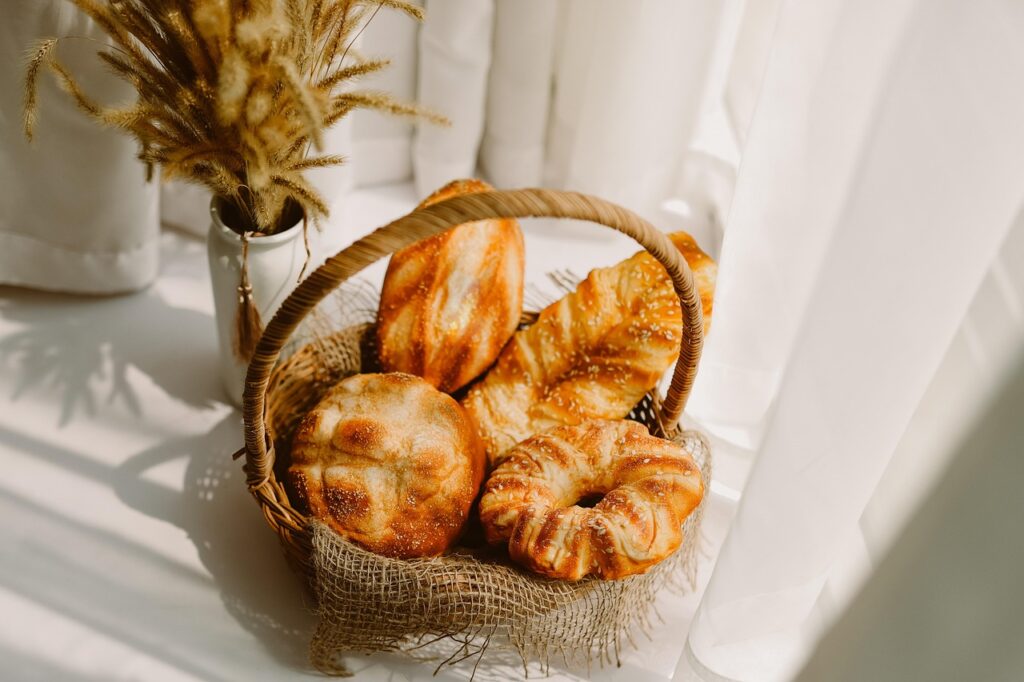
- Let your finished loaf cool completely, then store in a linen bread bag or wrapped in a clean towel—never plastic, which encourages surface condensation and mold.
- Slice only what you need per meal. Cutting bread exposes new surfaces to drying air, limiting sourdough shelf life if an entire loaf is sliced upfront.
Each of these actions gives you more control over texture, whether your kitchen is humid or dry. Small tweaks done routinely mean consistently fresh slices.
The Effects of Salt Content in Wild Sourdough
Adding salt isn’t just flavor—it’s structure and shelf life insurance for wild sourdough. Salt tightens gluten, encourages predictable fermentation, and suppresses bad bacteria. With about 2 percent salt by flour weight, you’ll notice better crumb elasticity and extended sourdough shelf life every time.
- Use fine sea salt for even distribution. It dissolves easily, ensuring each section of dough gets the same fermentation boost and preservation benefit.
- Monitor dough saltiness after mixing; your fingertips should detect mild graininess before the final proof.
- Increase salt fractionally in humid or hot climates to bolster sourdough shelf life by deterring extra mold growth.
- Allow at least 10 minutes between salt addition and further kneading. This gives salt time to diffuse without breaking fragile dough bonds.
- When reducing starter hydration for a firmer crumb, add just a pinch more salt and watch how your next loaf’s texture responds days later.
Integrated into each bake, these steps offer noticeably fresher and safer bread, just by focusing on one simple, ingredient-driven tweak every time you make wild sourdough.
The Roles of Starch Retrogradation and Enzyme Activity
Bread starts to stale through starch retrogradation, but wild fermentation interrupts this process. If you focus on maximizing fermentation activity, you will find your sourdough shelf life noticeably improved without resorting to preservatives.
Enzyme action transforms how starch and gluten behave in a finished loaf, influencing crumb tenderness and how slowly bread dries out after baking.
The Influence of Wild Enzymes on Bread Texture
Wild sourdough cultures generate amylase and protease, enzymes that gradually break down starch and protein into smaller, more flavorful compounds.
This slow enzymatic activity during extended fermentation releases sugars for browning, but also stops bread from turning crumbly. Taste and texture amplify, and sourdough shelf life extends for smoother, less dry slices all week.
Emulating artisan bakers, home bakers can maintain longer bulk fermentation for maximum natural enzyme production and observe remarkable freshness results, loaf after loaf.
Managing Starch Breakdown With Fermentation Timing
A precise bulk proof, whether four or fourteen hours depending on temperature, directly affects staling. Letting wild cultures work for the right amount of time ensures even gelatinization of starch and a moist, resilient crumb.
Bakers can use short pokes or gently squeeze a cooling loaf to judge elasticity; stronger bounce means optimal retrogradation protection and guarantees superior sourdough shelf life in every bake.
Choose longer cold proofs on weekends or overnight to empower wild cultures and delay the onset of stale, grayish bread.
Sustaining Wild Sourdough Freshness: Your Next Steps
Wild fermentation isn’t just tradition or trend. Every adjustment—hydration level, proofing window, or salt content—delivers practical gains in sourdough shelf life, proven daily by fresh loaves passed around the table.
No other bread offers the same science-fueled resilience against mold and drying. Once you’ve tasted chewy, aromatic slices days after baking, you’ll see why wild fermentation remains the gold standard for both health and enjoyment.
Let small, consistent tweaks guide your baking. Each dough means a new chance to enhance flavor, longevity, and the simple, daily delight of wild sourdough shelf life in your home kitchen.
Frequently Asked Questions
What’s the main reason wild sourdough outlasts regular bread?
Wild sourdough relies on lactic and acetic acids created during fermentation, which drop the bread’s pH. This acidic environment naturally inhibits mold, significantly extending sourdough shelf life compared to commercial yeast loaves.
How should I store wild sourdough to maximize shelf life?
Let the loaf cool fully before wrapping it in a clean towel or storing it in a linen bread bag. Avoid plastic, as moisture can’t escape, which encourages mold and limits sourdough shelf life benefits.
Does sourdough freeze well for longer storage?
Freeze slices or partial loaves in airtight bags right after baking. Thaw at room temperature; texture and flavor will remain fresh, allowing even longer sourdough shelf life for those who bake in bulk.
Should I always use higher hydration for longer bread freshness?
Higher hydration helps, but balance it for your climate. In very humid places, slightly denser dough sometimes keeps better. Adjust water up or down until your bread holds its texture for 4–5 days.
Is the sour flavor a sign my loaf will last longer?
Tangier sourdough does correlate with slightly longer shelf life, as higher acidity deters more spoilage organisms. However, good storage habits and a proven starter remain more important than flavor for keeping bread fresh longest.