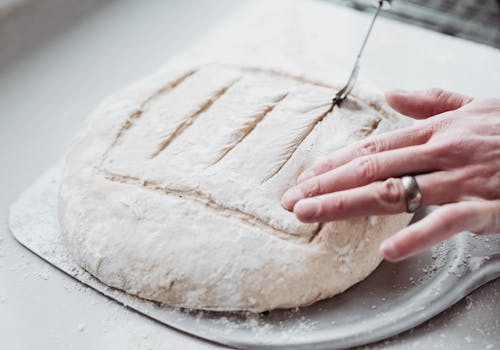
Slicing through the delicate skin of a wild fermentation sourdough dough isn’t just technique—it’s an art. Wild fermentation bakers know the right scoring lames make distinct marks, setting the stage for a loaf’s entire appearance. Precision here shapes oven spring, crust texture, and the bread’s personality.
Wild fermentation sourdough has earned legendary status in home kitchens, and understanding scoring lames is a core part of that legacy. These tools, whether straight or curved, impact how your bake blooms. Subtle blade choices can foster new flavors and wild, natural textures unique to sourdough.
If you’ve felt uncertain choosing the perfect scoring lames—or wanted to experiment with classic or creative slashes—this guide untangles the details. Read on to compare straight versus curved blades, see real outcomes, and discover actionable tips to elevate your next wild sourdough loaf.
The Impact of Blade Shape on Wild Sourdough Results
Choosing between straight and curved scoring lames shapes your bread’s look and texture within minutes. This decision changes how the loaf opens, how crust forms, and the bread’s final expression.
Experimenting with both types of scoring lames helps dial in consistent results. Certain blade shapes—straight or curved—can bring out different characteristics in wild fermentation crumb, keeping each loaf unique and vibrant.
Straight Blades: Clean Lines and Predictable Expansion
Straight scoring lames deliver decisive, linear cuts. Using them feels like drawing with a ruler—the dough responds with predictable bursts and sharp edges. For classic rustic sourdough, many bakers favor straight blades.
When aiming for ear formations or signature single lines down a bâtard, straight scoring lames excel. You’ll get bold, upright ridges and a consistent oven spring across multiple loaves. Their design gives crisp-edged results that many wild fermenters love.
Think of it as architecturally slicing your dough—each cut a deliberate doorway for steam and expansion. Try always leading with your wrist, steady and swift, for the best outcomes.
Curved Blades: Dynamic Openings and Artistic Flair
Curved scoring lames carve sweeping, open slashes into your wild fermentation crust. These blades allow the dough to peel away during baking, creating dramatic “ears” and lofted surfaces, especially on deeply hydrated doughs.
Bakers often reach for curved blades when aiming to impress with hearts, ferns, or aesthetic designs. Their ergonomic shape guides the hand into graceful arcs that encourage expansion and crackling crust finishes.
Use a gentle rolling wrist motion with a curved lame. Imagine painting a gentle arc: The loaf responds with lovely, blossoming seams and a memorable shape every time.
| Attribute | Straight Lame | Curved Lame | What to Try Next |
|---|---|---|---|
| Cut Type | Linear, bold | Arched, flowing | Match pattern with blade style for contrast |
| Ease of Use | Precise control | Requires gentle roll | Practice slow arcs with curved blades |
| Best Loaf Type | Bâtard, boule | Boule, decorative | Alternate both for visual interest |
| Crust Outcome | Defined ridges | Blossomed seams | Pair with hydration for bolder effect |
| Skill Level | Beginner-friendly | Intermediate | Rotate for different looks per bake |
Sharpening Your Scoring Technique: Step-by-Step Comparisons
Getting a wild fermentation loaf to bloom beautifully means practicing specific scoring motions with each blade. Each style of scoring lames offers a unique workflow and tactile feedback, so learn their cues for better bread.
The right angle and timing with scoring lames lets your bread expand instead of tear, so each slash avoids deflation. Focus on consistent pressure and speed in your movements for a perfect wild crumb every time.
Straight Lame Movements
Plant your wrist and lock your elbow for steadiness. Slash quickly and firmly through dough, always at a shallow, 30- to 45-degree angle. Phrases bakers use: “Firm and swift, like scoring paper.”
- Start with a confident grip: A firm hold stops wobbly lines and keeps cuts stable, which is crucial for straight scoring lames on stiff doughs.
- Angle the blade shallowly: Set your scoring lame almost flat against the dough. This directs expansion to lift the crust for defined ears during baking.
- Score in one fluid motion: A single, decisive pass with a straight lame prevents dragging or jagged tears in the wild fermentation surface.
- Keep strokes parallel when desired: Consistent spacing helps structure expansion, making each cut work as intended.
- Rotate the dough, not your wrist: For cleaner lines, spin your dough to approach from a new angle instead of twisting your grip.
Executing these tips gives practical control, ensuring every wild loaf’s crust pops just the way you pictured it after using straight scoring lames.
Curved Lame Flow for Artistic Scoring
Hold the handle lightly, letting your wrist lead for smooth arcing motions. Curved lames benefit from fluidity and confidence, especially on high-hydration wild fermentation doughs.
- Work with gentle wrist arcs: Picture drawing a bow; gentle, continuous movement encourages the dough to bloom wide open.
- Shave just the surface: Don’t press too deep—aim for a 1/8-inch depth to cause the crust to gracefully separate.
- Vary slash lengths: Mix shorter and longer curves for dynamic, organic bread designs, matching the wild fermentation personality.
- Start your line, then release: As soon as the blade finishes its curve, pull away without hesitation to avoid hook-shaped marks.
- Use a light flour dusting: This highlights curved slashes as they open, accentuating the “ear” and guiding the eye to each curve.
Adopting these curved scoring lame techniques will result in show-stopping bread art. Approach each bake as a new canvas, building confidence with every repetition.
Matching Scoring Lame to Sourdough Style and Fermentation
Wild fermentation sourdough reacts differently to straight or curved scoring lames based on dough hydration, proofing, and even ambient temperature. Recognize patterns to guide your choice for consistent structure and visual flair.
Each loaf comes alive under precise conditions. Pull a puffy, well-proofed boule from its banneton and see how it eagerly yields to a curved scoring lame, or watch a drier dough favor straight cuts for geometric shaping.
High-Hydration Dough: Benefits of Curved Lames
Puffy, moist wild fermentation dough needs thoughtful scoring. Curved scoring lames allow for expansive openings that channel steam outward, preventing dense, gummy interiors. This is where wild sourdough’s unpredictable charm meets controlled artistry.
Bakers prepping 80%+ hydrated doughs will see dramatic ovenspring with curved blades, producing open crumb and dramatic ears. Try slashing at a shallow angle, keeping the wrist loose for pronounced effects.
Rely on this technique with wetter sourdoughs so the crumb develops ventilated tunnels, and the crust flowers open for rustic, wild elegance.
Lower Hydration: Even Expansion with Straight Lames
Drier wild fermentation doughs, closer to 65–70% hydration, like the discipline and predictability that straight scoring lames provide. These loaves expand with poise, building upright crust with lasting crunch.
Score at a consistent depth, not deeper than 1/4 inch, keeping motions minimal so the tighter crumb maintains its shape. Straight lames excel when you crave a striking, rustic ear without explosion.
Develop this strategy for firmer dough and you’ll see beautiful contrast between bold, straight seams and a golden-brown, stable crust—perfect for classic sourdough styles.
Blade Care and Hygiene in Sourdough Baking
Properly maintained scoring lames guarantee safety and consistent wild fermentation results every single bake. Neglecting blade care risks dull cuts, dragging, or contamination, which can damage dough structure or introduce unwanted flavors.
Clean, sharp scoring lames glide gracefully through sourdough. After every session, rinse blades in hot water, carefully dry them, and store in an enclosed container to avoid dulling.
Safe Handling and Storage for Consistent Slices
Always cap your scoring lames immediately after use. A protective sheath not only reduces hand and countertop accidents, but it also prevents environmental contaminants from reaching the blades.
Avoid setting sharp lames on crowded surfaces. Use a magnetic tool rack or dedicated box so no stray items pierce the blade or pick up flour dust that can spoil a wild fermentation batch.
Every couple of bakes, test sharpness with a thin dough scrap; blades should glide with almost no resistance. Replace blades as soon as you feel tugging, no matter how small.
Blades and Dishwasher Safety: Do’s and Don’ts
Dishwashers may seem convenient, but they reduce the lifespan of scoring lames. The harsh detergent and water pressure quickly corrode edges—even stainless steel or coated models.
Hand-wash each scoring lame right away under warm, running water. Carefully dry using a soft towel, and regularly check for chips or rust before your next wild fermentation bake.
Share these simple steps with new bakers, as a rusty or curved blade will undo all other wild sourdough efforts. Clean gear is foundational to bread artistry every time.
Creative Patterns: Using Scoring Lames for Distinctive Loaves
Developing signature wild fermentation crusts means embracing playful, inventive pattern work with both straight and curved scoring lames. Personal touches—from leaves to letters—make home-baked loaves memorable and gift-worthy.
The Spiral Pattern: Step-by-Step Impression
Stabilize your dough with one palm. Hold a curved scoring lame in the other hand. Start at the bread’s center, slowly rotate your wrist outward to form a natural spiral. Light pressure and continuous movement yield smooth, even curves as the loaf expands.
A spiral pattern allows steam to escape evenly, giving a rounded crumb and delicate oven spring. If you dust flour before scoring, your design will appear bold against the caramelized crust after baking.
Try adding a second, lighter spiral with a straight scoring lame for extra definition. “Two levels of pattern keep my wild fermentation bread from looking flat,” is a common baker tip.
“Wheat Sheaf” Motif: A Classic Wild Fermentation Signature
With dough shaped and proofed, use a straight scoring lame to make a single long slash along the bread’s shoulder. Then, angle the blade to make smaller, shorter strokes—like a stylized bundle of wheat stalks.
This motif invites steam escape and creates height. Wild fermentation fans find these marks evoke tradition, heritage, and a rustic look that pairs well with open crumb interiors.
If your aim is both style and function, alternate between straight and curved blades for a combination effect. There’s always room to iterate with wild fermentation—find your own scoring rhythm and signature.
Fine-Tuning Loaf Structure and Presentation with Scoring Lames
Make small changes to scoring lame angle, pressure, and depth to customize the final shape and feel of every wild fermentation loaf. Record settings each bake so you can repeat or tweak your favorite crust styles.
Observing the first five minutes in the oven gives clear clues: Did slashes lift wide open? Did the crust burst? Adjust blade angle next time based on how your wild fermentation dough reacts.
Balancing Ear Height and Symmetry
If symmetrical ears are your goal, straight scoring lames—used at a consistent, shallow angle—produce mirror-image crusts. Place each slash parallel and equidistant, then use a burst of steam to encourage balanced lift from either side.
For wild fermentation boules, angled slashes with curved lames exaggerate a single “ear” for standout height and drama. Always compare results at the end of your bake, tweaking wrist action and blade tilt on the next round.
Refining this balance takes practice. “If my loaf cracks off center, next bake I change the curve or line direction,” bakers report. Document what works for wild fermentation breads with notes or snapshots.
Glaze and Stencil Techniques to Pair with Scoring Lames
Dusting with rice flour or brushing an egg wash before scoring can enhance patterns and keep wild fermentation designs from blurring during bake. Layering stencils or light cuts with scoring lames lets creative flair shine through naturally.
Try combining basic motif stencils with bold slashes—straight for clear definition, curved for movement. The contrast makes your wild sourdough instantly recognizable at home gatherings.
Every loaf is a new canvas. Mix blade types, adjust ingredients, or swap flour blends to make each wild fermentation crust a bespoke creation—true to your hand and your favorite flavors.
Takeaways for Confident and Unique Sourdough Scoring
Straight and curved scoring lames each mark wild fermentation loaves in distinct ways. Use these tools deliberately to accentuate bread’s structure, crumb, and crust—mastering both brings unrivaled personality to every bake.
Consistent blade care, matched to dough hydration and scoring technique, will keep wild fermentation efforts sharp and expressive. Take notes, experiment with designs, and celebrate the evolution in each new loaf you bake.
Approach every batch of wild fermentation sourdough as both science and art. With attention to detail and the right scoring lames, your bread will keep standing out, bite after bite, for years to come.
Frequently Asked Questions
What’s the best time to score wild sourdough dough with a lame?
Score immediately after shaping and final proofing, just before you transfer the dough to the oven. This reduces risk of over-deflation and helps you achieve clean, dynamic expansion in the final loaf.
Can I reuse razor blades in scoring lames, or should I swap them every bake?
Swap blades every few bakes, or as soon as you notice dragging or dough sticking. Sharp blades minimize tearing and ensure clean slashes, giving wild fermentation breads optimal appearance and texture.
Will a curved or straight lame work better for gluten-free wild sourdough?
Curved lames offer more control on delicate, gluten-free doughs, letting you make gentle slashes without collapsing fragile structure. Use quick, shallow arcs rather than deep or aggressive cuts for best results.
Are there risks to handling scoring lames for wild fermentation bread?
Always use blade guards or sheaths when storing scoring lames. Avoid wet or cluttered counters. Clean carefully after each use and replace at the first sign of rust to keep your wild fermentation sourdough safe and delicious.
How do I prevent wild fermentation loaves from bursting along unslashed seams?
Ensure your scoring lames penetrate the surface at a shallow, consistent angle. Don’t rush. Practice different slash placements, and adjust hydration or proofing times if you still have rogue burst lines on your crust.