Fresh, soft sandwich bread that genuinely tastes like wild fermentation sourdough can seem like a bakery secret. Bringing together wholesome flavor and pillowy texture in wholemeal loaves excites bakers of all backgrounds. The challenge is getting that softness while keeping a rich, complex taste only sourdough provides.
Wholemeal loaves have gained popularity for their earthier notes and extra nutrition, but home bakers sometimes struggle to achieve that dreamlike, tender crumb. With the right guidance and attention to fermentation’s rhythms, wholemeal loaves can rival any sandwich bread for softness and depth.
This comprehensive guide explores every step of wild fermentation, from choosing flour to shaping and proofing, so you can bake soft wholemeal sandwich loaves bursting with natural aroma and flavor. Dive in and discover new tools for your baking toolkit.
Balancing Nutrition and Softness in Wholemeal Sandwich Loaves
Every baker can blend nutrition and a soft crumb in their wholemeal loaves by understanding wild fermentation’s quirks. Starting with a clear plan brings structure and predictable results.
Wholemeal loaves with wild fermentation thrive on hydration adjustments, precise timing, and gentle handling—similar to nurturing a thriving garden, where consistent care shapes the final yield.
Leveraging Autolyse for Softness
Mixing wholemeal flour and water, then resting the dough for 30–60 minutes before kneading, is the autolyse method. This step lets bran hydrate fully and yields a silkier crumb.
Imagine this process like soaking oats for breakfast—giving the grains extra soak time results in plumpness and tenderness unattainable otherwise. Repeat autolyse before every mix for best softness.
For wholemeal loaves, extend autolyse up to 90 minutes if your flour absorbs water slowly. Cover the dough and use slightly warmer water for speedy hydration.
Wild Fermentation and the Soft Loaf Equation
Wild sourdough culture, when fed wholemeal flour in advance, grows more vigorous and flavorful. Feed your starter a day early and wait until it doubles before mixing a main dough.
Use the float test: drop a teaspoon of ripe starter into a glass of water. If it floats, it’s ready for wild fermentation. This signals the starter’s microflora have developed enough lift for wholemeal loaves.
Increase hydration to 80–85% in your recipe. For 1,000 grams flour, start with 800–850 grams water, then adjust as the dough develops. A stickier dough comes out softer.
| Step | Typical Softening Tips | Wild Fermentation Sourdough Strategy | Key Outcome |
|---|---|---|---|
| Mixing | Short mix, low-stress | Mix gently, preserve air pockets | Open, even crumb |
| Autolyse | Short or skipped | Long autolyse, high hydration | Maximal softness |
| Kneading | Strong knead | Gentle folds over stretch | Supple dough structure |
| Proofing | One quick rise | Slow bulk rise, overnight cold proof | Fluffy result, deep flavor |
| Baking | Low temp, fast | Higher temp, steam at start | Glossy, tender crust |
Developing the Signature Crumb with Real-Life Techniques
Reliable softness begins with actionable tweaks to your mixing, folding, and proofing. You can adjust these steps today and notice results by your very next bake.
Prioritize folding dough instead of aggressive kneading. This fosters gluten strands that stretch gently and resist tearing, giving wholemeal loaves a delicate, sandwich-worthy crumb.
Strategic Dough Folds for Structure
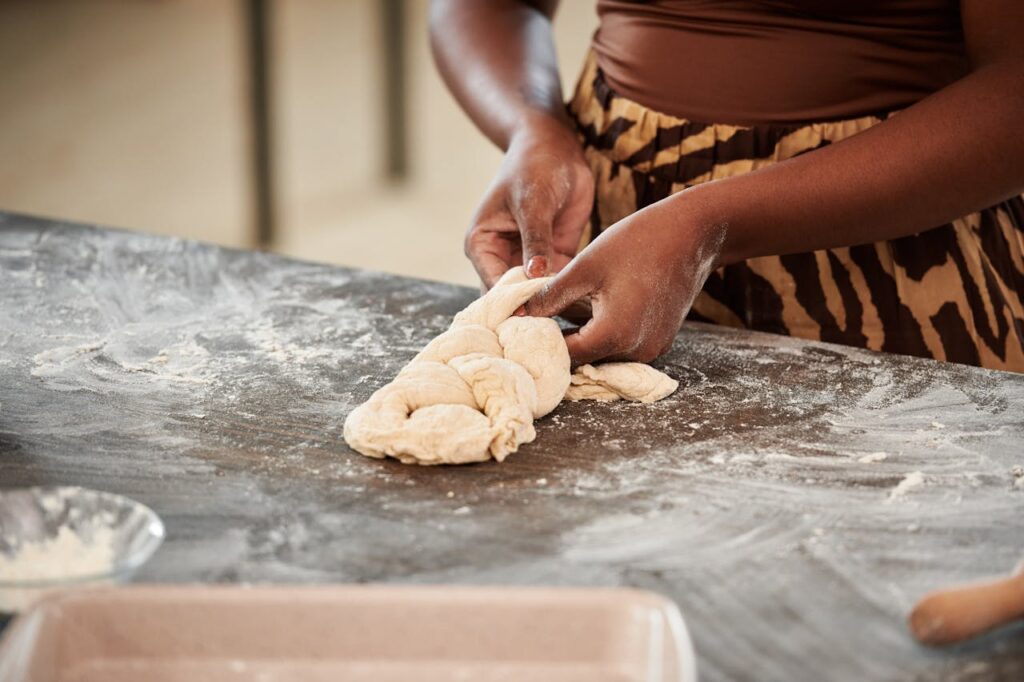
During bulk fermentation, use the coil fold: stretch the dough upward, then coil it back on itself. Repeat every 30–45 minutes, 3–4 times. Each fold builds a more stable, airy texture in wild fermentation loaves.
Picture folding a towel neatly: the action creates thick, evenly distributed layers. Folds in bread dough create networks that trap bubbles, enhancing lift and softness in your wholemeal loaves.
Don’t stretch too aggressively—aim for a gentle yet thorough motion each time. Watch for dough that feels elastic, not tough, at the end of folds.
Tailoring Bulk Fermentation Timing
Notice the dough’s visual cues: when it grows about 50% in volume, feels pillowy, and shows bubbles at the edges, it’s ready for shaping. Underproofed dough feels tight and lacks aeration, overproofed dough feels slack and sticky.
Write a checklist: “Has my dough risen by half? Are bubbles visible? Does it hold a gentle finger dent without collapsing?” Answer yes before shaping into sandwich loaves.
Wholemeal loaves with wild fermentation need slightly longer fermentation, so using a clear container lets you spot these signs before committing to the next step.
- Mix dough gently, only until ingredients are just combined, to prevent developing a tough crumb—instead, let fermentation do most of the work.
- Perform coil folds at regular intervals, focusing on gentle motion—this strengthens structure while supporting an open, airy crumb in wholemeal loaves.
- Proof dough in a clear, lightly oiled container—the visual cues are much easier to interpret and will guide you toward perfect softness.
- Cold-proof loaves overnight in the fridge to relax gluten and encourage flavor—this extends working time and ensures your loaves bake up tender.
- Bake with steam or a covered pan for the first 15 minutes, which allows the loaf to expand fully before the crust sets, giving that signature sandwich softness.
Choosing these hands-on steps will help you troubleshoot and consistently hit your softness goals in each bake.
Fat, Milk, or Toppings: Deciding What Softener to Add
Add 2–3% oil or softened butter by flour weight after autolyse. This coats gluten strands, making wholemeal loaves velvety and moist—think “a tablespoon for every cup of flour.”
Milk, buttermilk, or yogurt add richness and a gentle tang. Substitute for a portion of water; for sandwich loaves, a third milk is a solid starting point.
Brush the shaped dough with water, milk, or olive oil—this keeps the crust soft and shiny. Seeds or rolled oats also protect the exterior from drying, without sacrificing crumb texture.
- Oil or butter layers gluten networks, making a softer, less chewy texture ideal for sandwiches.
- Milk hydrates flour and contributes lactose for a faintly sweet aroma in finished wholemeal loaves.
- Buttermilk or yogurt add acidity, balancing flavors and extending loaf shelf-life.
- Rolled oats pressed onto the top absorb oven steam, leading to tender crusts and a rustic look.
- Water or oil brushed post-bake locks in moisture, rewarding you with a lustrous exterior and continued softness over days.
Test one softener at a time for clear results, taking notes on crumb, flavor, and keeping qualities for your next bake.
Adapting Shaping, Proofing, and Baking to Optimize Results
The final loaf’s softness depends as much on shaping, proofing, and baking methods as on dough recipe. Each step can boost—or sabotage—the ultimate crumb and crust.
Shaping should be gentle: never deflate the dough. Picture forming a cloud into a loaf pan—light pressure creates tension on the surface while preserving precious air inside wholemeal loaves.
Shaping Techniques for Restful Crumb
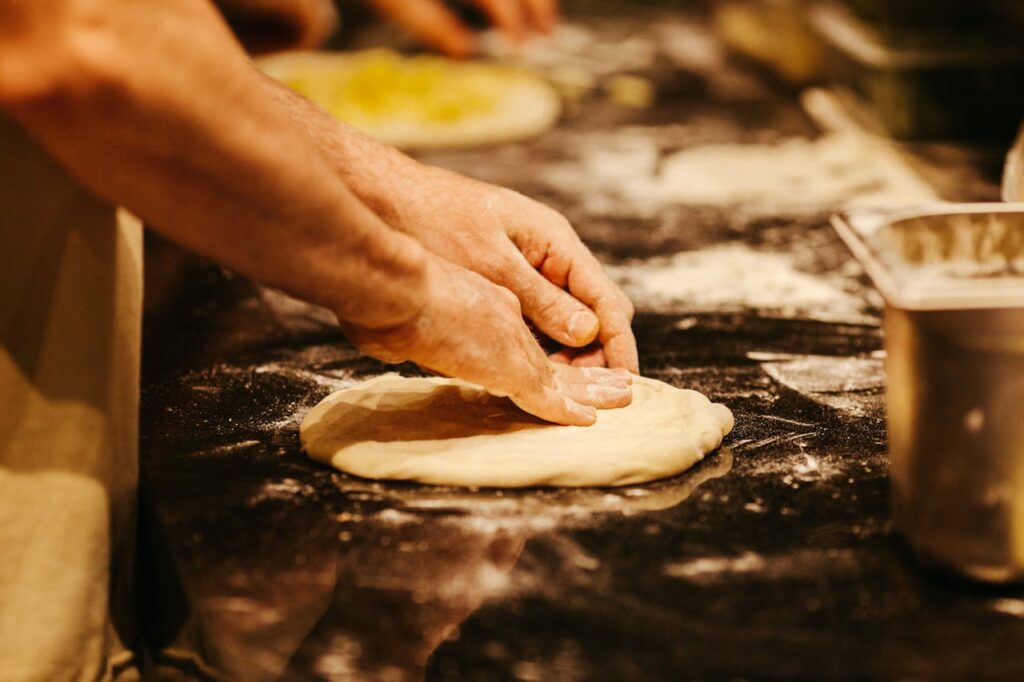
After bulk fermentation, tip dough onto a floured surface. Stretch into a rectangle. Roll it up, tucking gently, like a snug towel—sealed edge underneath. Rest for 10 minutes, then plop into a pan.
Dough shouldn’t tear, and fingers should leave very shallow marks as you work. A mist of water or oil on your hands helps prevent sticking and protects the tender gluten web.
Check the seam for a tight closure. This supports rise and creates the domed sandwich slices expected from great wholemeal loaves.
Proofing and Final Rise: Getting the Lift
Proof shaped loaves in a warm, draft-free area. Wild fermentation wholemeal loaves often rise more slowly, but 1–3 hours is typical for the final rise. If pressed, the dough should spring back partway.
Avoid over-proofing: dough that has risen above the pan sides but feels weak won’t hold shape. Under-proofing yields denseness. Use time as a guide, but let touch be your final authority here.
Before baking, slash loaf tops with a lame or sharp knife. This directs the oven spring upward and prevents tearing in random spots, resulting in uniform sandwich slices.
Fine-Tuning Hydration, Flour Choice, and Natural Sweeteners
Every wild fermentation sourdough baker can customize softness and flavor by fine-tuning hydration, picking the right flour blend, and considering mild natural sweeteners.
Hydration refers to the water-to-flour ratio, and for wholemeal loaves, 80–85% delivers a moist, tender crumb that’s perfect for sandwiches.
Hydration Tricks for Everyday Bakes
Wholemeal flours absorb more water because of their bran and germ content. Start with 800 grams water per 1,000 grams wholemeal flour; add more in 25-gram increments until the dough’s sticky but manageable.
The old-fashioned “finger poke” test applies: press with a clean finger; dough should feel moist, springy, and leave a slight indentation that fades slowly. Adjust your hydration until this response is consistent.
If your loaf turns heavy or gummy, scale hydration back 3–5% and bake longer at a slightly lower temperature next time. Record results for every wholemeal loaf for future bakes.
Flour Blends and Natural Sweetness
Try blending 80% wholemeal with 20% bread flour. The bread flour adds gluten-forming protein, enhancing softness and rise with minimal compromise to the wholemeal flavor profile.
Add a tablespoon of natural sweetener—honey, maple syrup, or barley malt—for every 500 grams flour. These boost fermentation, buffer acidity, and bolster the signature softness in wild fermented wholemeal loaves.
Watch for subtle color and flavor shifts: honey or malt produces a golden crumb and gentle aroma, while bread flour gives an extra spring to your sandwich loaves. Adjust ratios based on personal taste and desired crumb texture.
Baking Day: Oven Setup, Steam, and Slices Worth Savoring
Setting up your oven for baking day can transform results. Steam and temperature combine to produce the best texture with wholemeal loaves and wild fermentation sourdough.
Preheat your oven fully, use a loaf pan with high sides, and introduce steam for the first 10–15 minutes. Place a pan of boiling water on the lowest rack or spritz the oven walls just before loading the loaf.
Baking Sequence, Step-by-Step
Score your loaf, slide it into the hot oven, and immediately add steam. Bake at 450°F for 15 minutes, then remove steam and reduce temperature to 400°F for another 25–35 minutes.
Check doneness by internal temperature—aim for 200–205°F. The crust should feel thin and almost squeaky when pressed, not hard and brittle. Let the loaf cool at least 1 hour before slicing for clean, even pieces.
The payoff: every slice holds together but yields lightness and spring, perfect for sandwich wholemeal loaves with wild fermentation complexity.
Refining Results by Reviewing, Tasting, and Adjusting
Your skill with wild fermented wholemeal loaves grows with each bake. Every crumb tells you something: was it light, heavy, dry, or moist? Use this feedback for your next loaf, without guessing.
Taste test with honest curiosity: Is the sourdough flavor too strong or too muted? Was the crust too thick, or did it dry quickly? Each aspect reflects a variable you can tweak—hydration, fermentation time, ingredients, or bake method.
Feedback Checklist for Advancing Your Bake
Compare crumb softness, crust thinness, and flavor balance against previous batches. Track changes in a simple baking log. Try describing bite, aroma, and sliceability out loud: “The crust crackles but bends, the crumb springs back gently, the flavor carries faint tang and sweetness.”
Seek input from others. A realistic script: “Would you use this for a PB&J? Did it stay soft the next day?” Adjust based on these candid answers, not just your own impressions.
Rotate flour brands, test new sweeteners, and fiddle with proof times. You’ll see the best wild fermentation sourdough loaf emerge not in one try, but as a personal, evolving result.
Frequently Asked Questions
Can I use all wholemeal flour in wild fermentation sandwich loaves?
Yes, you can use 100% wholemeal flour, but softness improves if you blend with 10–20% bread flour. Use higher hydration, longer autolyse, and steam during baking for best crumb.
How do I keep my wholemeal sandwich loaf soft for multiple days?
Cool the loaf completely, then wrap in a clean towel or beeswax wrap before storing in a bread box. Avoid plastic, which can cause sogginess. Reheat briefly to refresh softness if needed.
Why does my wholemeal sourdough loaf come out dense despite long fermentation?
Dense bread often comes from under-hydration or overproofing. Try increasing water by 3–5%, proof just until dough springs back slowly, and fold gently instead of hard kneading.
Is it possible to make wild-fermented wholemeal sandwich bread without a sourdough starter?
No—the wild fermentation process relies on live sourdough starter for leavening and distinct flavor. Commercial yeast won’t create the same complexity or crust softness.
What is the ideal baking temperature and steam setup for wild fermentation wholemeal loaves?
Bake at 450°F for the first 15 minutes, then lower to 400°F until done, adding steam for the initial bake period by placing a pan of hot water in the oven.