Curiosity intensifies once you compare wild fermentation methods with the tidy predictability of commercial leavening. The contrasts are more than technical—they reveal a world of microscopic drama underneath those crusts.
If you’ve ever wondered why wild-fermented sourdough tastes different, ages differently, or feels different in your hands, this dive into the science behind both leavening strategies will offer actionable insights and tasty knowledge.
Mapping the Microbial Landscape for Flavor and Texture
Understanding your starter’s wild fermentation microbiome gives you better control. This directly affects bread taste, keeping, and workability. Think of wild yeast and bacteria as unpredictable neighbors—each batch brings new surprises.
Commercial yeast, by contrast, arrives as a purebred guest with predictable manners. The outcome, flavor, and rise speed can mirror your supermarket sandwich bread—clean, familiar, consistent. But you lose nature’s creative unpredictability.
Finding Microbial Patterns in Real Dough
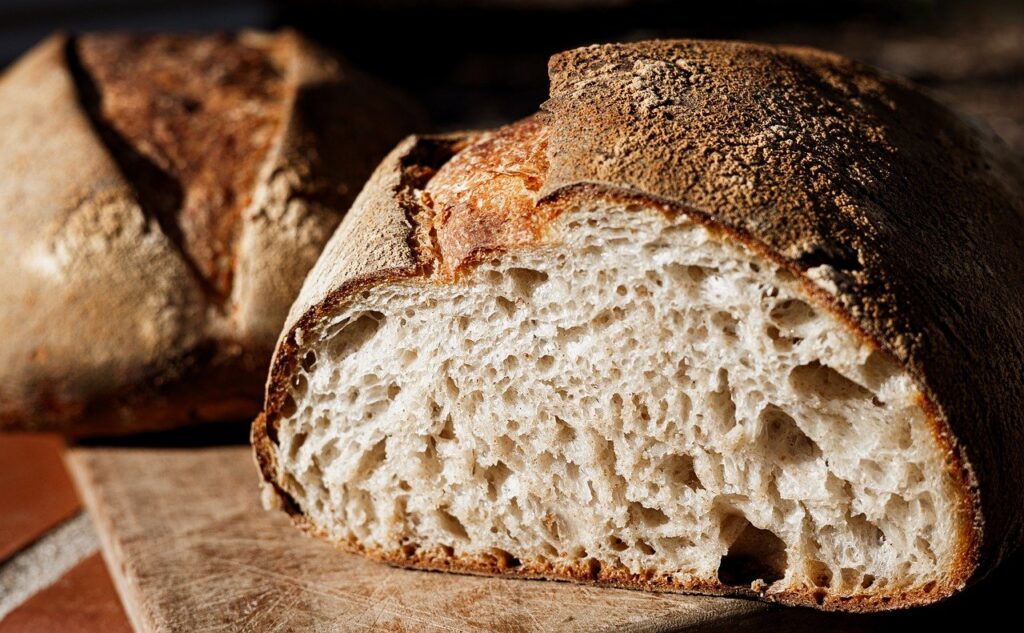
When you peek into a bubbling wild fermentation sourdough, you see bubbles—tiny, erratic, irregular. This randomness tells you that both wild yeasts and lactic acid bacteria are busy working, often in harmonious tension.
Bakers describe the scent after mixing as “tangy with a subtle floral note.” These sensory cues stem from the specific microbial mix thriving in your local environment, your water, and your preferred flour. Taste changes subtly each batch.
Try sampling your starter weekly. If you notice sharply sour aromas one week and honey-like mellow notes the next, that’s normal. Wild fermentation reflects this living variability you arm yourself to recognize.
Differentiating Bacteria and Yeast, Step by Step
Wild fermentation brings a double act: yeast produces carbon dioxide for lift; lactic acid bacteria shape the sourness and aroma. Test by pinching a bit of dough after bulk rise—gassing from yeast makes it pillowy, tang from bacteria tickles the nose.
For commercial yeast, you’ll feel steady rise and a clean scent, but less complexity. There’s only one actor—the ordinary baker’s yeast, chosen to rise fast. The result: a reliable but potentially bland loaf.
Match visual clues with routine: a sticky, slow-moving dough likely harbors more lactic acid bacteria. Clean, rapid expansion marks commercial yeast dominance. Adjust hydration to nudge the balance—more water encourages bacteria.
| Starter Type | Primary Microbes | Flavors Produced | Takeaway for Bakers |
|---|---|---|---|
| Wild Fermentation | Wild yeast, lactic acid bacteria | Tangy, variable, deep | Expect unique, location-driven flavor |
| Commercial Leavening | Saccharomyces cerevisiae (baker’s yeast) | Clean, mild, uniform | Predictable results, less complexity |
| Long Wild Fermentation | Rich L. sanfranciscensis | Bold sourness, hearty aroma | Great for rustic, robust breads |
| Mature Wild Starter | Diverse yeast, many bacteria | Layered acid, floral, nutty | Test flavor after 7-10 days |
| Fresh Commercial Yeast | Pure S. cerevisiae | Single-note, gentle | Ideal for quick daily loaves |
Developing Dough Structure: Gluten, Acids, and Time
Following a process for dough development helps control texture and crumb when baking with wild fermentation sourdough or commercial yeast. This foundation creates delightfully chewy, open-crumb bread or soft, uniform sandwiches.
With wild fermentation, enzymes from wild microbes break down complex starches. Acids soften gluten strands over hours, increasing extensibility. Using commercial yeast, structure is built by gluten development alone, requiring more kneading for strength.
Folding with Precision for the Right Crumb
Fold dough during the initial rise to trap gases from wild fermentation, encouraging bigger, irregular holes. Three sets of letter folds with 30-minute intervals give you control over hydration and gluten formation.
- Knead only briefly after mixing, then use stretch-and-folds for gentle gluten development. This preserves open structure and accommodates variable microbial activity.
- Assess dough elasticity after each fold—should stretch without tearing. If it’s tight, rest 15 minutes between sets. If sticky, lightly dust with flour, but don’t overdo it.
- Watch for surface bubbles—a visible sign lactic acid bacteria are active. Irregular expansion signals wild fermentation dominance; steady, even bubbles indicate commercial yeast.
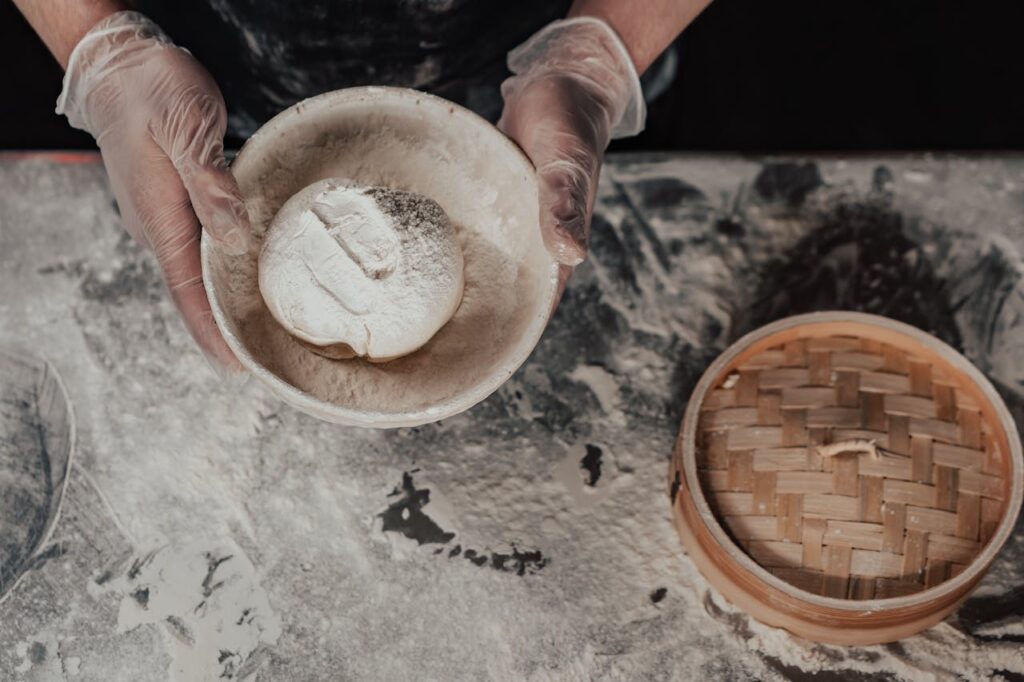
- Dust bench with a 50/50 mix of rice and bread flour: rice flour prevents sticking, while bread flour preserves grip for shaping.
- After final fold, dough should feel airy, not dense. If you notice weak structure, extend bulk fermentation by 30 minutes for wild fermentation doughs.
Try adding 10-minute autolyse before mixing, especially for high-hydration wild fermentation recipes. This lets flour enzymes activate, boosting gluten development gently—leading to easier dough handling later on.
Tracking Gluten Strength the Wild Way
Use the windowpane test after bulk rise. Gently stretch a walnut-sized dough piece. Wild fermentation sourdough should stretch thin without quick tearing—it’ll be less silky than commercial yeast doughs due to acid influence.
- Fold two to three more times after windowpane testing if dough feels too loose. This strengthens gluten for future shaping and prevents collapse during baking.
- For denser, whole grain loaves, increase folds rather than add flour. Strong structure forms from wild fermentation’s humid, sticky environment, not through dryness.
- Take note if the dough tears quickly—it could indicate too-acidic wild fermentation, requiring less bulk time in future attempts. Adjust next recipe with shorter fermentation or lower hydration.
- Observe dough volume: wild fermentation rye starters double more slowly, requiring 1–2 hours extra bulk rise. Commercial yeast doughs peak between 45–70 minutes for the same recipe.
- Shape dough with gentle hands—wild-fermented doughs become more extensible than elastic, so handle carefully to avoid deflation before the oven spring.
Ending bulk fermentation at peak rise and perfect strength locks in wild fermentation’s textural benefits without risking collapse. If in doubt, err on the side of slightly under-fermenting.
Acid Balance and Its Impact on Wild Sourdough Bread
Tasting is believing when exploring acid balance in wild fermentation sourdough bread. Sensory notes shift dramatically compared to commercial yeast, where acid production remains minimal and static.
The lactic and acetic acids generated by various wild bacteria enhance shelf life, crumb structure, and flavor depth. These acids also steer dough texture, influencing whether your loaf emerges chewy or soft, tangy or faintly sweet.
Fine-Tuning Acidity with Bulk Fermentation Times
If your sourdough delivers overly tangy bites, reduce bulk fermentation by 30 minutes for less acid. Wild fermentation ramps up acid with longer rise times, so shorten the wait for milder loaves mirroring commercial yeast profiles.
To develop complex, rich acidity, extend the rise. Cold fermentation in the fridge slows yeast but lets lactic acid bacteria continue producing acid gradually—ideal for strong flavor and keeping qualities in rustic wild fermentation bread.
Monitor aroma changes: sharp vinegar hints signal more acetic production, while fruity or dairy-like notes mean lactic acid predominates. Adjust bulk time and temperature to control which direction your wild fermentation starter heads.
Comparing Sensory Outcomes in Everyday Baking
A commercial yeast white loaf will emerge sweet and neutral, perfect for breakfast toast or PB&J. For wild fermentation sourdough, you’ll experience more tang, nutty undertones, and a moist crumb that stays fresh for days.
If you bake two loaves side by side and slice them, you’ll feel a slight tackiness and richer aroma when handling the wild fermentation crumb. This extra moisture and staying power make wild-fermented bread a favorite for dinner tables.
Mix whole grain flour into your wild fermentation starter for deeper aroma. The naturally occurring bacteria in bran boost acid levels, giving hearty breads a robust profile unmatched by commercial yeast.
Conclusion: Choosing the Right Method for Your Kitchen
Both wild fermentation and commercial leavening offer something unique to home bakers. Wild fermentation, with its layered flavors and robust texture, connects each loaf to your hands and environment.
Commercial yeast delivers consistency and saves time, making it a good choice for straightforward, repeatable baking sessions. Knowing how acids, microbes, and gluten shifts play out helps you tinker confidently with both approaches.
Experimenting with wild fermentation gives you lively, rewarding results. Let each loaf teach you, growing flavorful sourdough that rewards patience, curiosity, and a hands-on approach in the kitchen.
Frequently Asked Questions
- Does wild fermentation sourdough take longer than commercial yeast bread? Yes, wild fermentation uses natural yeast and bacteria, so bulk and final rise times can be 4 to 12 hours or longer, compared to 1–2 hours for commercial yeast-based dough.
- Can I use wild fermentation starter in sweet breads or enriched doughs? You can, but longer rise times may alter sweetness and the crumb. Monitor dough expansion carefully; cold fermentations help balance flavor development and structure without excessive sourness.
- Why does wild fermentation sourdough sometimes get sticky or slack? Increased acid, enzymatic activity, and variable hydration levels contribute to a looser dough. Longer fermentation encourages gluten breakdown, so adjust rising time or reduce water if this occurs repeatedly.
- Is wild fermentation sourdough healthier than commercial yeast bread? Many enjoy wild fermentation bread for improved digestibility. Natural acids can make nutrients more available and slow carbohydrate release compared to typical commercial yeast bread. Individual results vary, but nutrition is a strong incentive.
- What’s the easiest way to start a wild fermentation sourdough culture? Mix equal weights flour and water. Stir daily, feeding with fresh flour and water each time. Once bubbly, aromatic, and able to double within 6 hours, it’s ready for leavening your first loaf.